- Nearly 80 female constables have opted for a motorcycle training program to cherish independence and self-reliance
- The program was conceived by a senior police officer while he was on a UN deputation in Indonesia
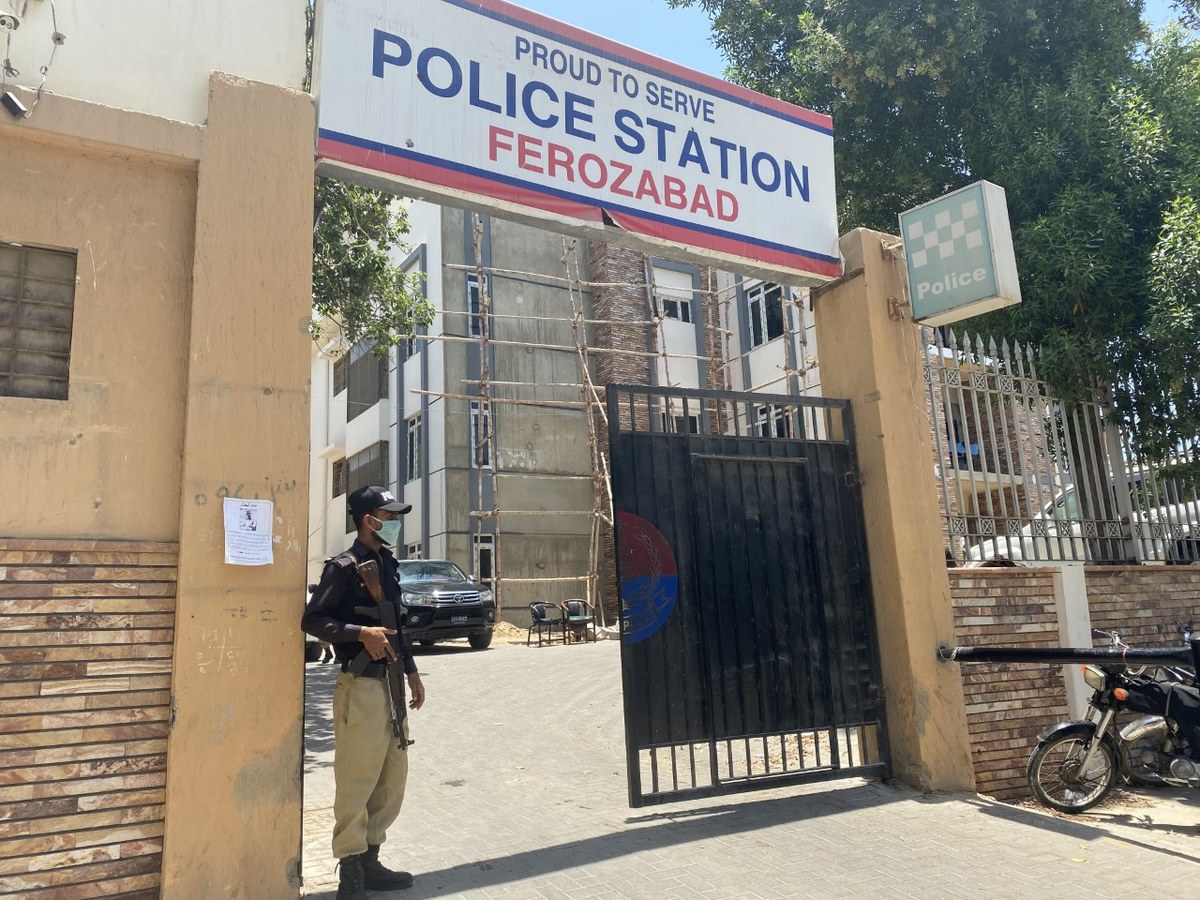
KARACHI: It used to take her more than two hours to reach the office in the morning, but Afshan Murtaza, a female police constable who lives in Karachi’s suburban Steel Town neighborhood, can now only arrive more quickly at the Farozabad Police Station on her motorbike and travel with greater convenience.
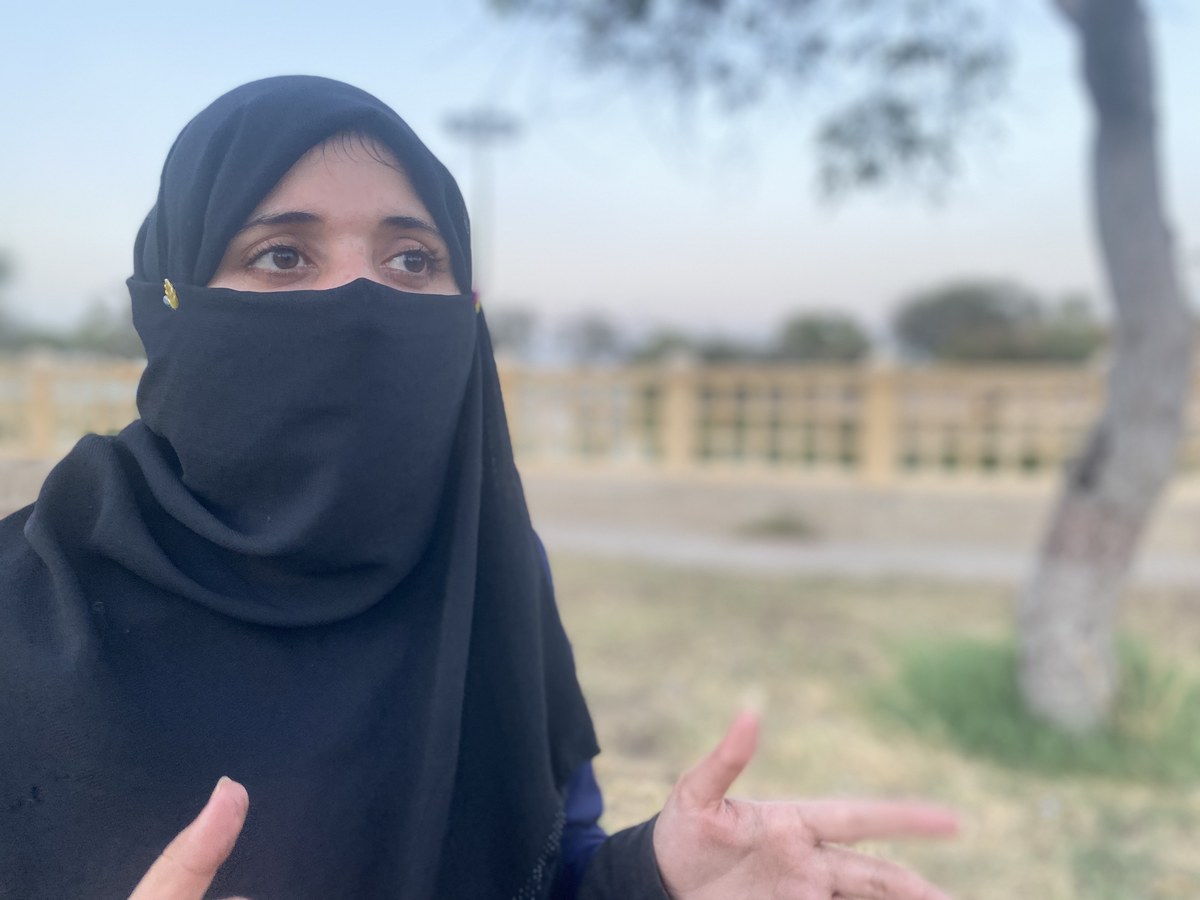
But it is not just about the shorter duration or superior comfort of the journey, Murtaza says that covering the 32-kilometer stretch between her home and the workplace now adds to her self-esteem since she feels more empowered and self-reliant.
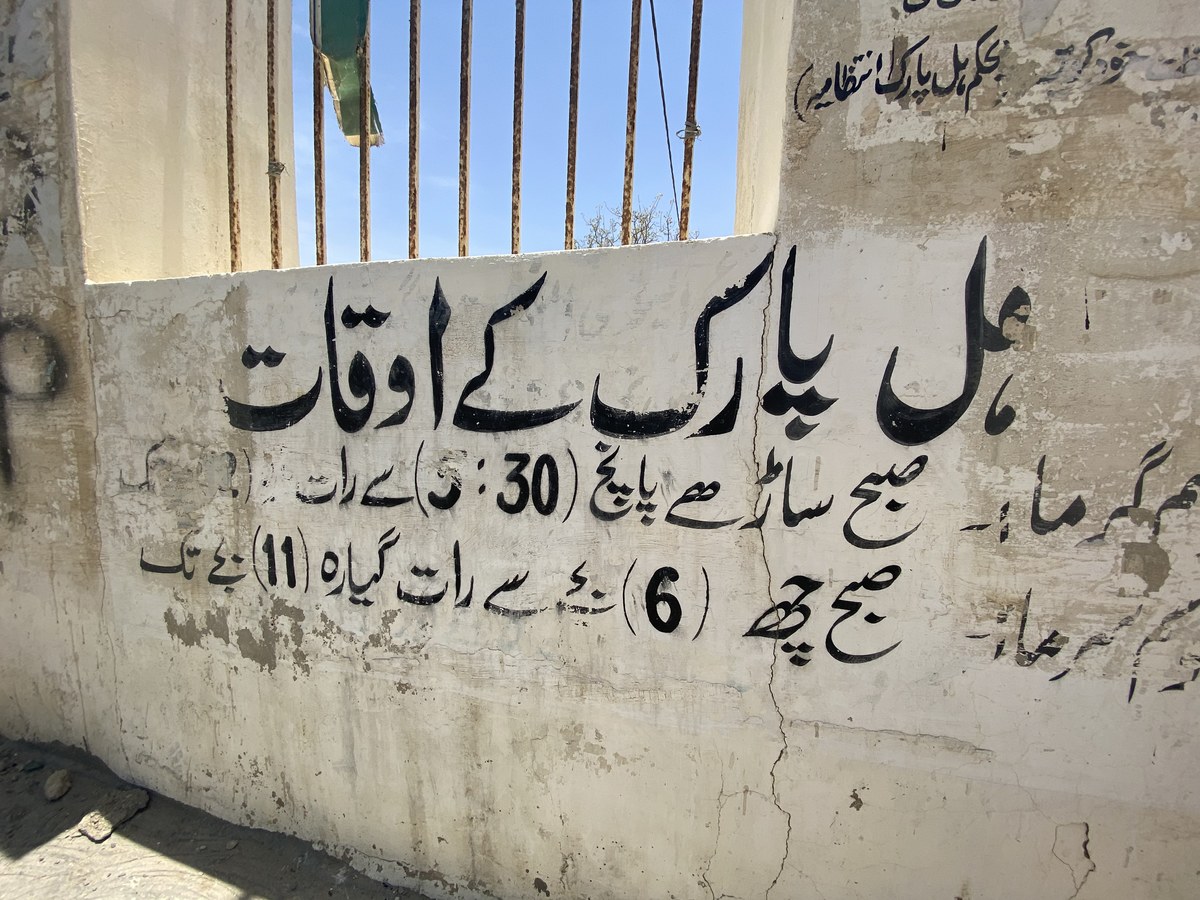
“It used to take me about two to three hours to reach the police precinct from my residence,” she told Arab News earlier this week at the Hill Park, one the largest recreational areas in Karachi that wears a deserted look these days due to the lockdown restrictions.
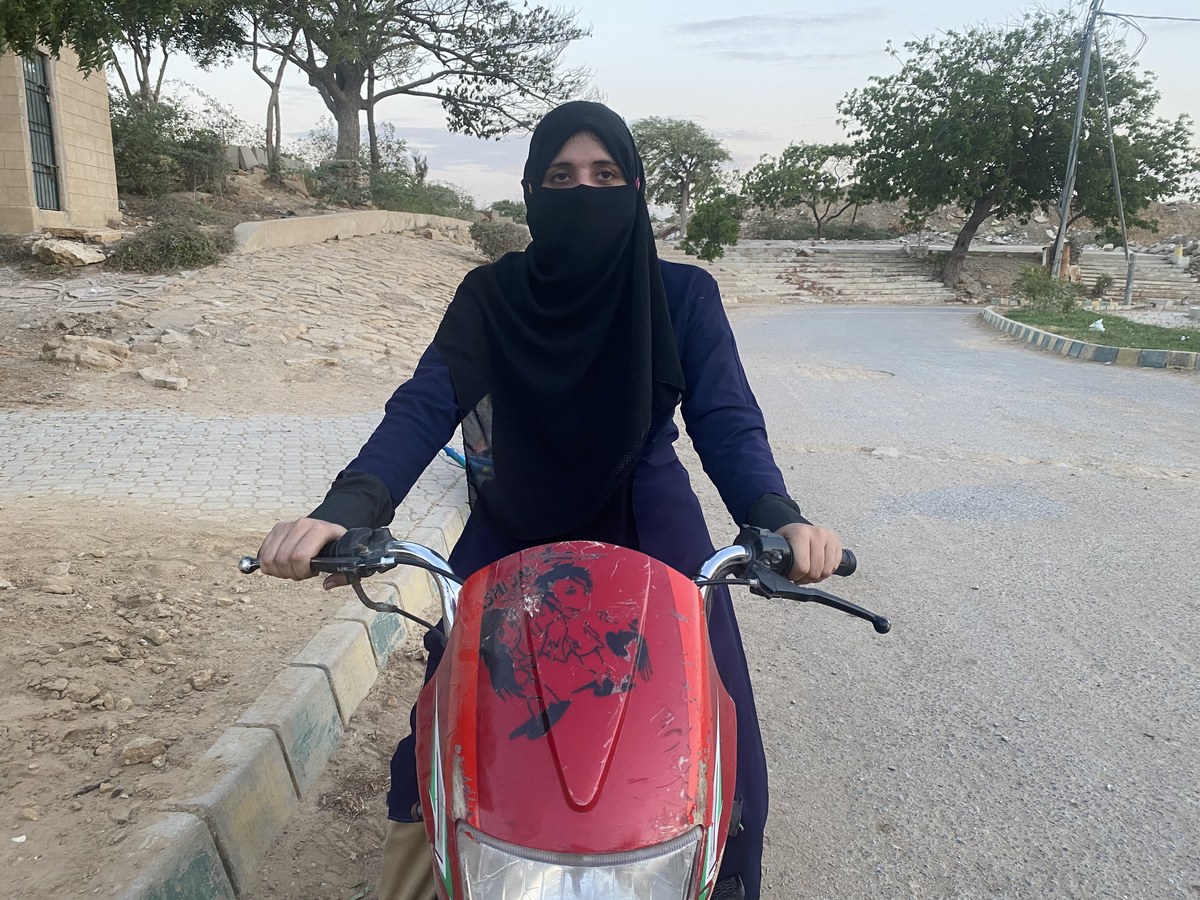
“It was a long and tiresome commute on bus that sapped all my energy,” she continued. “Some of my coworkers used to taunt me for being late at work. Now that I know how to ride a motorbike, however, it hardly takes me 30 minutes to reach the office. My own vehicle has also helped me during the lockdown period in the absence of public transportation.”
Murtaza is among the team of seven police constables who are teaching other colleagues how to ride a motorbike after successfully finishing the training program initiated by the chief of police at the Farozabad subdivision. The program was initially launched to benefit policewomen working in the same precinct, but it is now open to female cops across the city.
Deputy Superintendent Police Nadeem Ahmed, who took the initiative, told Arab News that he came up with the idea while he was on a United Nations deputation in Indonesia and thought that Pakistani women should also get a chance to be self-reliant like Muslim girls in the far eastern country.
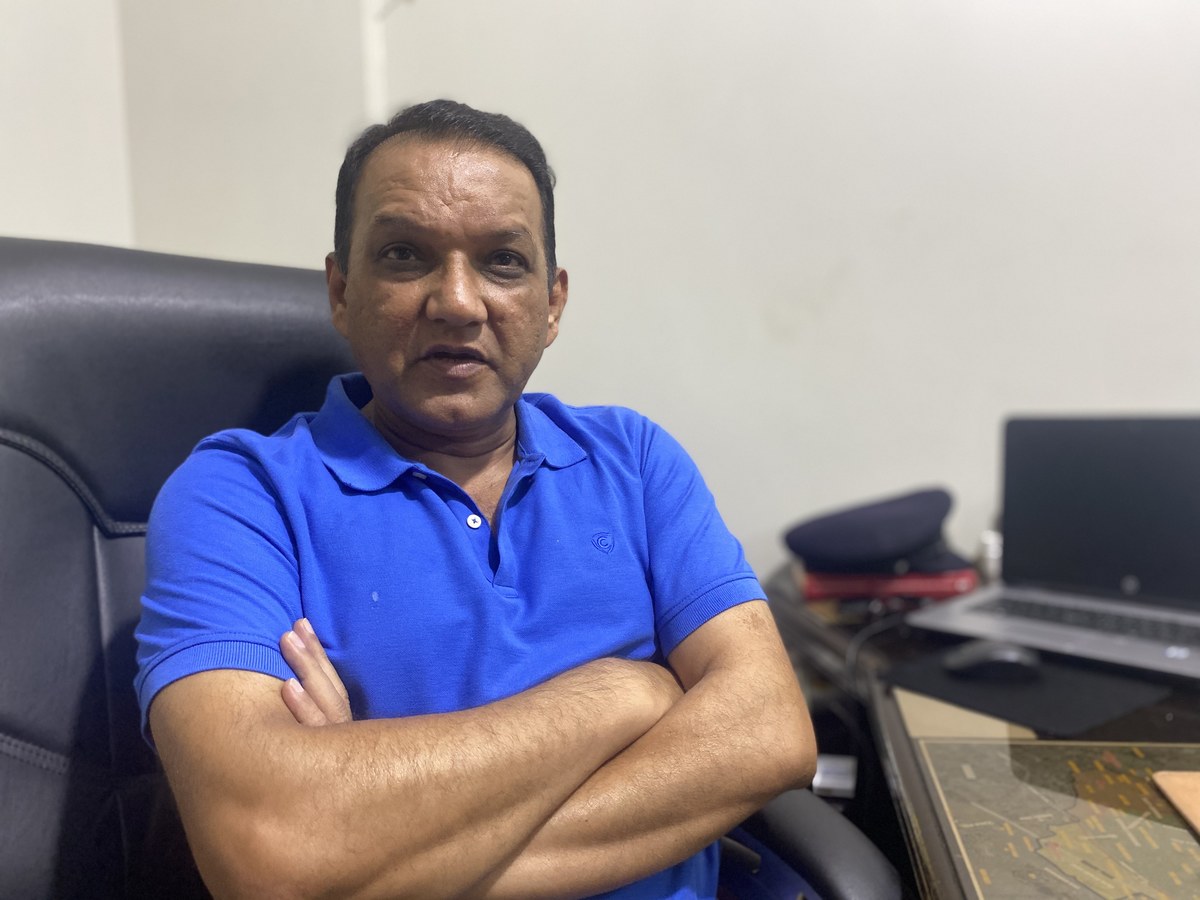
However, he decided to implement his plan when he realized that most policewomen were facing transportation issues in the country’s most densely populated metropolis.
“In view of their situation, we decided to convince and motivate them to join a motorcycle training program. They all showed great excitement,” he said, adding it was not easy to learn how to ride a motorbike.
A lot of trainees got injured in the beginning, recalled the police officer while praising their courage and determination.
“Some of them even sustained serious injuries,” he said, “but their level of motivation was much higher than the challenge they faced. Soon their first batch graduated.”
He added that the idea was to empower these women.
“They can now start their bike, reach their offices, help their families, drop their children to school or take their elderly parents to a shopping mall or hospital,” Ahmed said. “In other words, they can do all those things that their male family members can do.”
“We need to empower 51 percent of our population,” he continued, adding that bike riding should be a mandatory part of police training and it must be institutionalized.
“The government should step up to the task and ask banks to provide scooters to Pakistani women on easy installments with no mark-up,” the officer said.
He also noted that the COVID-19 pandemic had helped the training program gain momentum.
“Our trainees are more comfortable when there is less traffic on roads. In the final phase, they are required to drive around on busy thoroughfares. Right now, less traffic and empty parks are a blessing in disguise,” he added.
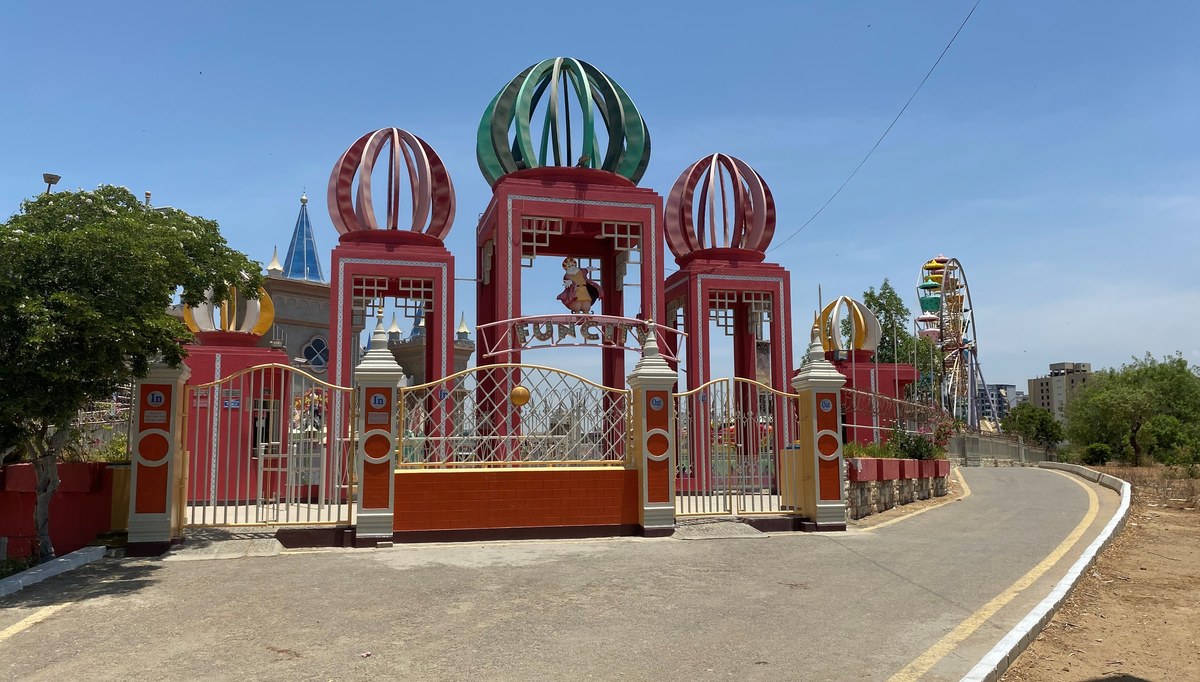
According to Azhar Hussain, who is supervising the project, 77 women have so far participated in the program that began in late February. Twenty-three of them have already completed their training.
Khalida Batool, who registered with the program about a week ago, was motivated after a graduate of the same course gave her lift to her residence on motorbike.
“Transportation is a huge issue for policewomen. They are dependent on others. After this training, we will not have to ask anyone to take us home or seek help from our male colleagues,” she said.
After a brief pause, she added: “We are equals. Our salary is the same, and our training requirements are also identical. Why then should we lag behind in this area and not be able to drive around on our own?”