

Six things to do with leftover dates once Ramadan is over

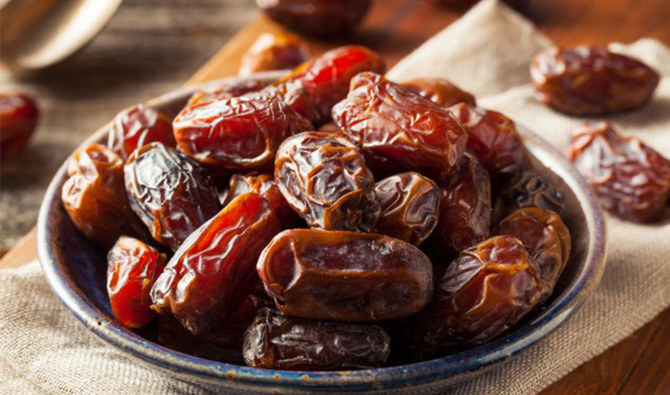
Dates traditionally are used to break fasts and have been grown and cultivated in the middle east for thousands of years. The significance of dates in Ramadan began because it is believed that the Holy Prophet (PBUH) always opened his fasts with dates - (Photo Courtesy: OrganicFacts.net)
Updated 10 June 2019
Follow

Six things to do with leftover dates once Ramadan is over

  • Eating dates in the holy month of Ramadan is a tradition

ISLAMABAD: If there is one food synonymous with Ramadan the world over regardless of culture, language or region, it is the date. The significance of dates is tied to the belief that Prophet Muhammad (PBUH) broke his fasts with the fruits and thus eating dates in the holy month of Ramadan is a tradition that Muslims have followed for centuries.
But now that Ramadan has come and gone this year, what do we do with all the leftover dates? Here are six ideas: 

Stuffed dates
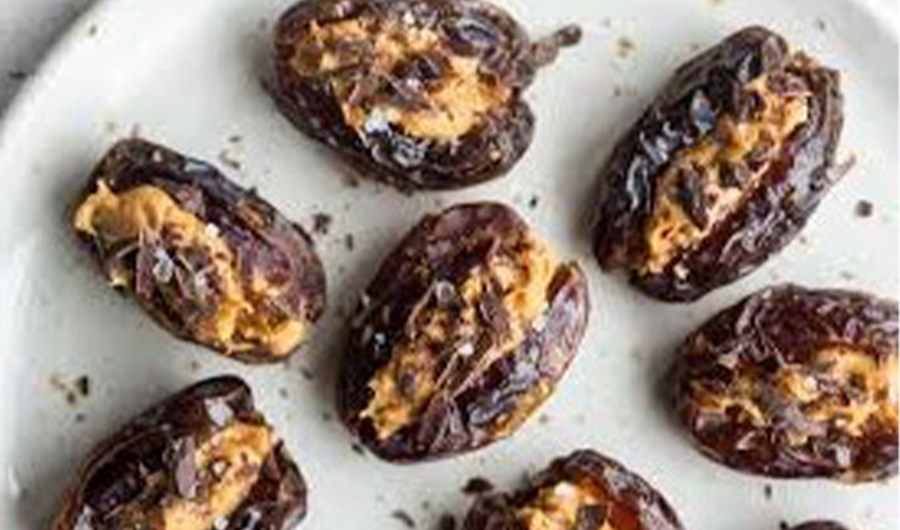


Stuffed dates (image via Lazy Cat Kitchen)

If your dates are seeded, pit the seed right out and stuff them with pistachios and peanuts, dried fruits, citrus peels, tahini, marzipan, soft cheeses, coconut flakes and chocolate. There’s no way you can go wrong with these dainty hors d’oeuvres.

The dipped date
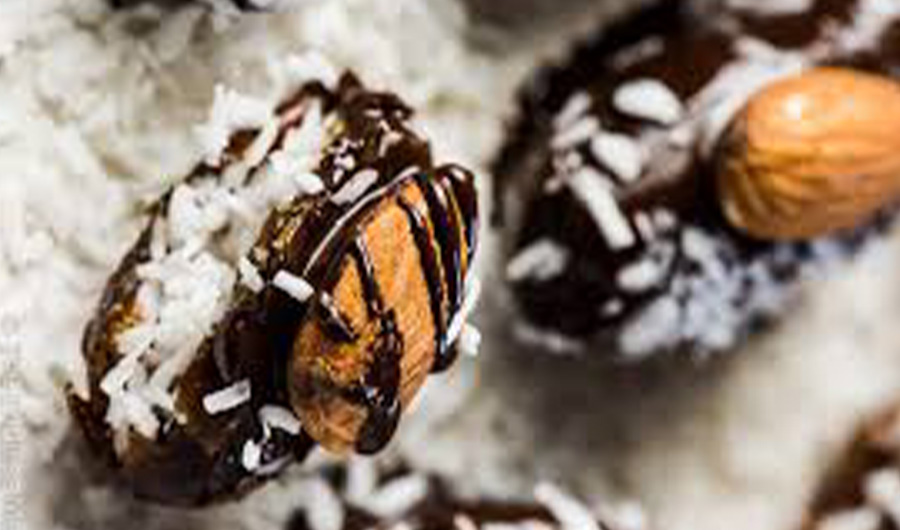


Dipped dates (image via The Endless Meal)

If you don’t want to stuff your dates, dip them instead — in molten chocolate, milk, dark or white, and then sprinkle generously with crushed candies or nuts. If you want to go the extra mile, stuff the date with nuts or soft cheese first and then dip it in chocolate. There’s isn’t a more flamboyant snack out there than that.
Date breads
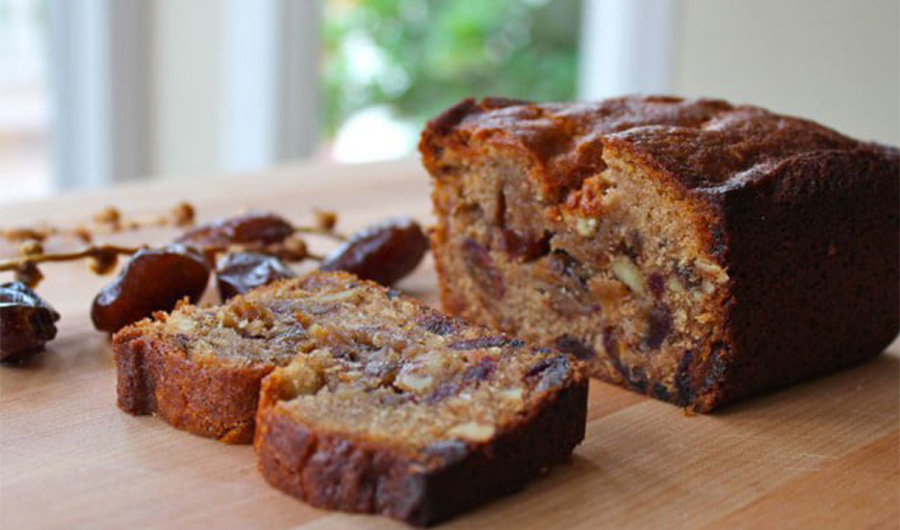


Date and walnut loaf (image via Torey Avey)

Date and walnut loaves, date cake, and Britain’s sticky toffee pudding are just three of the ways bread and dates come together with magical results. The sticky toffee pudding is a signature dish from Great Britain where dates are chopped up small and stirred into the bread. And there are few ways to go wrong with the date and walnut loaf, which if well-wrapped will go a week and can be frozen. 
Using dates as a sweetener
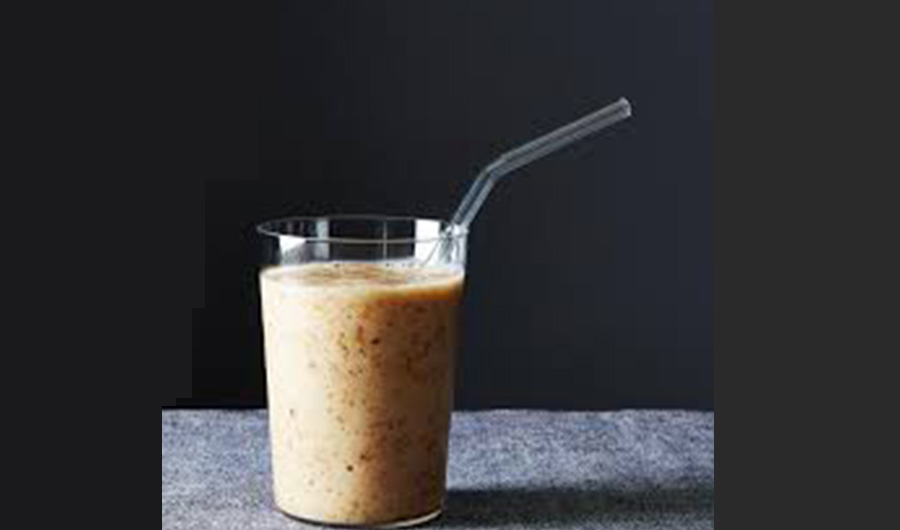


A date smoothie (image via Food52)

Dates are not only naturally high in sugar and fiber, their sweetness, a distinct caramel-like flavour, makes them a popular choice as a replacement for sugar. Date sugar is made from dehydrated dates that are ground into a granulated, sugar-like consistency. You can also just use raw date, blending them into cookies and protein bars, or turning them into caramel. Finally, you can make syrup out of dates, boiling them and reducing the liquid until it has the consistency of honey.
Energy bars
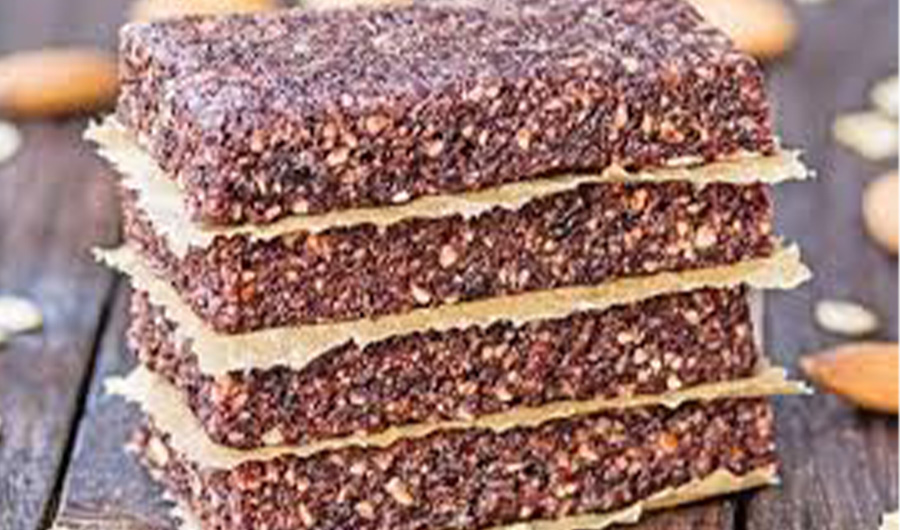


Date energy bars (image via Kitch)

Many foodies, especially health conscious ones, are now also using dates as a base and taste maker for energy bars. Most energy and protein bars available in the market are filled with chemicals, preservatives and heaps of sugar but many brands are now turning to dates to make them healthier. Mixed with nuts and power foods like chia and flax, at home energy bars are cost efficient, yummy and put dates to good use.
In tagine
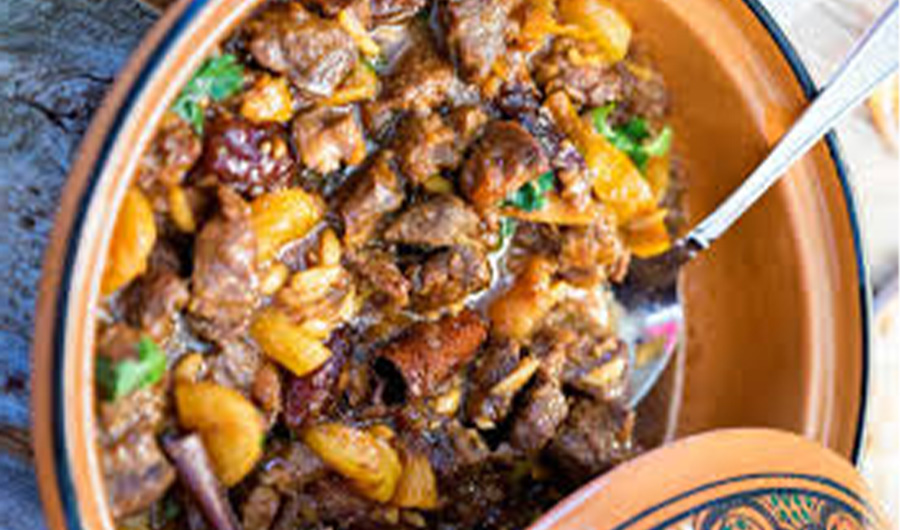


Lamb tagine with dates (image via Kevin is Cooking)

Dates can be given a savoury twist too, by being used as a central ingredient in tagine, a slow cooked dish of meat or chicken topped with chopped dates and cooked in a clay pot in northern African countries. 


Pakistan says inflation to remain within 5-6 percent range in January

Updated 4 sec ago
Follow

Pakistan says inflation to remain within 5-6 percent range in January

  •  Current account projected to remain in deficit, says Finance Division in monthly economic outlook
  •  Pakistan suffered a financial crisis in 2023, marked by inflation of 38 percent, depleted forex reserves

KARACHI: Inflation is expected to remain within the 5-6 percent range in January, Pakistan’s Finance Division said in its monthly economic outlook report on Tuesday, saying that the country’s economy is well positioned to sustain growth momentum in FY2026. 

Consumer Price Index (CPI) inflation was recorded at 5.6 percent year-on-year (YoY) basis in December 2025 as compared to 6.1 percent in November 2025 and 4.1 percent in December 2024. 

“Inflation is expected to remain within the range of 5.0-6.0 percent in January,” the Finance Division said. 

“On the external front, the current account is projected to remain in a deficit; however, robust remittance inflows and steady performance in IT and services exports are likely to cushion external pressures.”

The report said that the “positive trajectory” of the economy reflects the impact of the government’s prudent policies, ongoing structural reforms and easing of monetary conditions due to subsiding inflationary pressures.

Earlier, Pakistan’s finance ministry adviser Khurram Schehzad said S&P Global Market Intelligence’s latest macroeconomic forecast for Pakistan broadly aligns with projections issued by the State Bank of Pakistan, signaling easing inflation, manageable external balances and a gradual recovery in economic growth.

The assessment came amid stabilizing macroeconomic indicators after Pakistan went through a prolonged financial crisis marked by record inflation of 38 percent, depleted foreign exchange reserves and repeated balance-of-payments pressures, culminating in emergency support from the International Monetary Fund.

Tighter monetary policy, fiscal consolidation and external financing have since helped stabilize prices and ease pressure on the external account, prompting more measured assessments from international credit rating agencies.

“S&P’s projections broadly align with SBP’s outlook, with slight differences on growth and the current account but a shared assessment of easing inflation and gradual economic improvement,” Schehzad said in a statement.

According to S&P, inflation is expected to average 5.1 percent in 2026 and edge up slightly to 5.6 percent in 2027, staying within the SBP’s projected range of 5 percent to 7 percent over the next two years.

On the external front, S&P forecast a current account deficit of 0.5 percent of gross domestic product in 2026, broadly in line with the central bank’s expectation that the deficit will remain between 0 percent and 1 percent of GDP in the fiscal year.

Economic growth is projected to strengthen gradually, with S&P forecasting real GDP growth of 3.5 percent in fiscal year 2026, rising to 4.4 percent the following year. The SBP has projected growth of 3.75 percent to 4.75 percent for FY26.

Both S&P and SBP projections echo the government’s assessment that macroeconomic conditions are stabilizing, as Pakistan seeks to attract foreign investment and push toward export-led growth.