

Pakistan eases visa policy in hope of reviving tourism

1 / 2
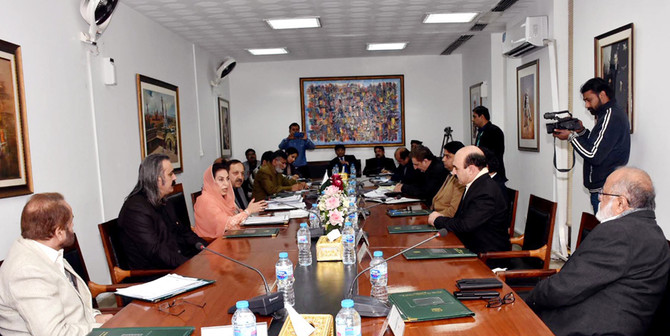
Federal Minister for Inter Provincial Coordination Dr. Fehmida Mirza talking to the media after meeting the Provincial Ministers for Tourism in Islamabad. (Photo by PID)
2 / 2
Federal Minister for Inter Provincial Coordination Dr. Fehmida Mirza talking to the media after meeting the Provincial Ministers for Tourism in Islamabad. (Photo by PID)
Updated 26 January 2019
Follow

Pakistan eases visa policy in hope of reviving tourism

  • PTDC plans to double number of foreign tourists in three years
  • Visa on arrival offered to 50 countries, including Saudi Arabia and UAE

ISLAMABAD: Pakistan has relaxed travel restrictions in the hope of elevating a slumbering tourism industry by offering visas on arrival to citizens of 50 countries and electronic visas to visitors from 175 countries, minister of information Fawad Chaudhry said on Friday. 
Speaking to reporters in Islamabad, Chaudhry said the travel reforms were aimed at reviving a tourism industry all but destroyed by Islamist violence in the aftermath of the Sept. 11, 2001 attacks in the United States and a decade-long insurgency waged by indigenous Taliban fighters in Pakistan. 

“We have mountain tourism, we have beach tourism. Pakistan is a heaven for tourists," Chaudhry said, hinting that the new travel rules would also ease restrictions on foreign journalists.
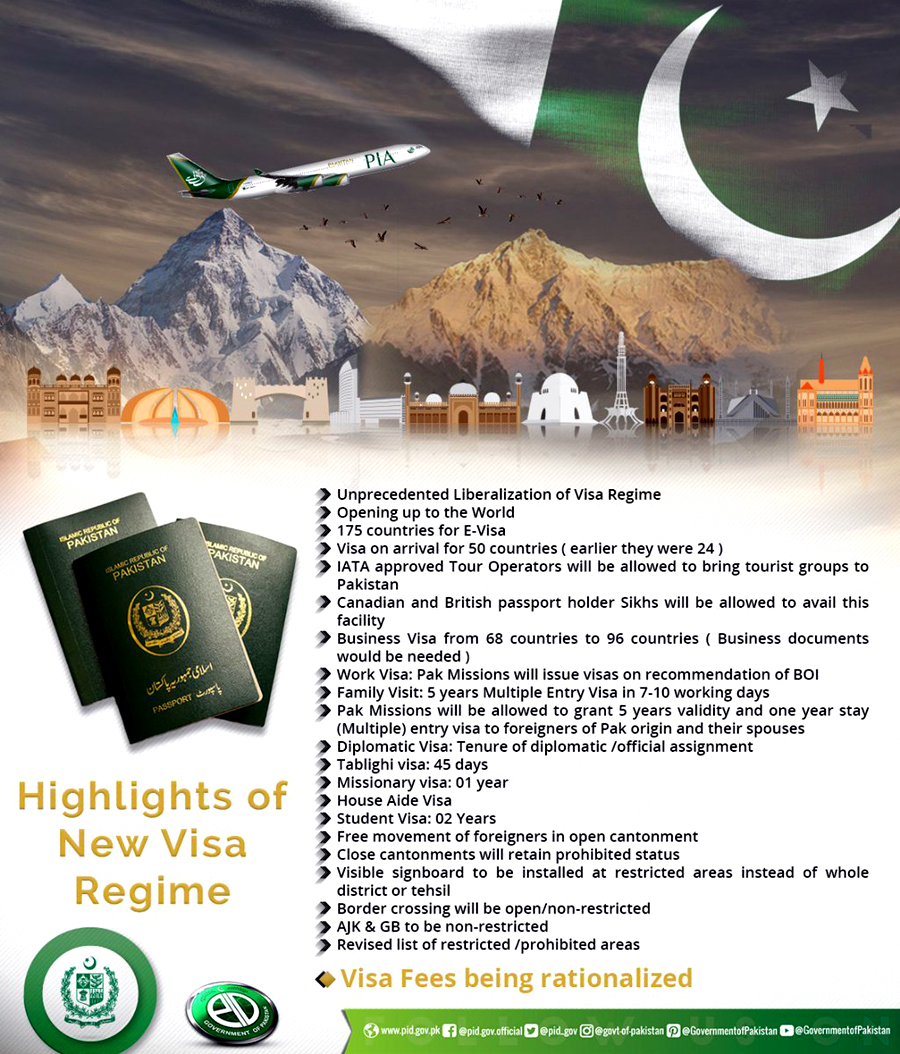


The image that high light the new visa regime. (Photo by PID)

As part of the reforms approved by cabinet, tourists will also be free to visit the politically sensitive regions of Kashmir, Gilgit-Baltistan and other northern areas, which currently require special permission and no-objection certificates. The policy also says only approved tour operators will be allowed to bring groups of tourists into Pakistan. 
The actual scale of domestic tourism is hard to judge, as scant nationwide data exists since the government dissolved the federal tourism ministry in 2011.
A deteriorating security situation in the last decade has chipped away at the number of visitors that come to Pakistan each year but tough military crackdowns in recent years have seen a dramatic improvement in law and order. 

“Foreign tourists were always concerned about the security situation, and we are now in a position to convince them not to be afraid,” said Owais Usman, the director of one Islamabad-based travel agency.
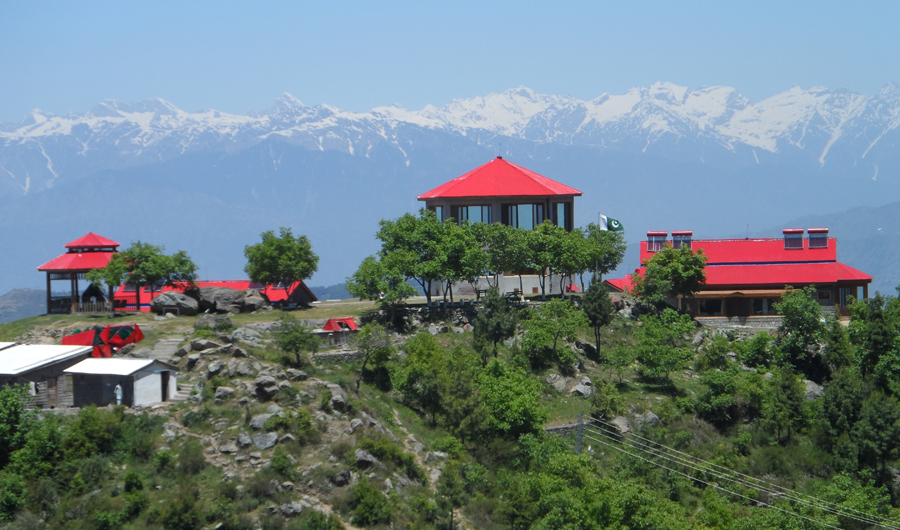


A view of a newly constructed home in Malam Jabba, scenic Swat valley, while snow covering a mountain peak can also be seen in the background. (AN photo by Aamir Shah)

Mukhtar Ali, manager for publicity at the Pakistan Tourism and Development Corporation, said 2.5 million tourists visited Pakistan last year and the Corporation's goal was to double that number to 5 million in the next three years.
“We hope the new visa policy will not only help increase the number of foreign tourists, but also their contribution to our economy,” he said.
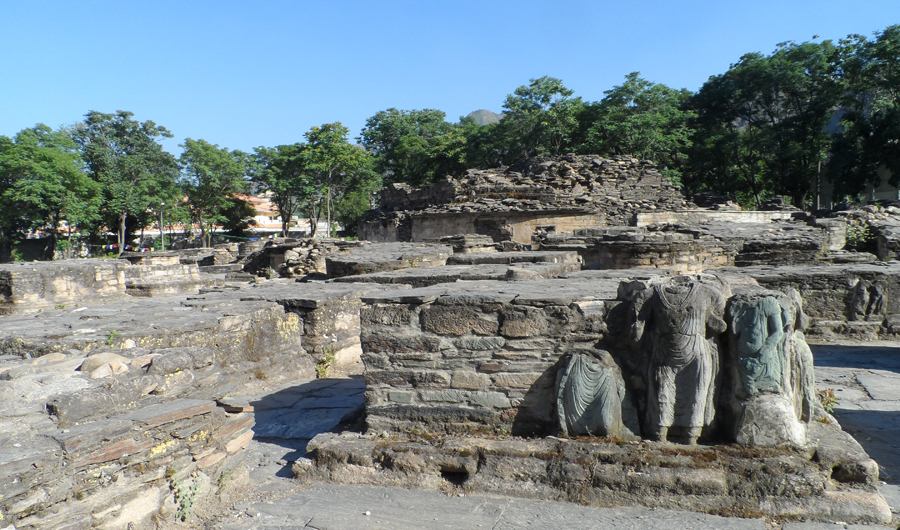


A view of a historic stupa, sacred to Buddhists, in Mingora city of scenic Swat valley in Khyber Pakhtunkhwa province of Pakistan. (AN photo by Aamir Shah)


IMF hails Pakistan privatization drive, calls PIA sale a ‘milestone’

Updated 10 January 2026
Follow

IMF hails Pakistan privatization drive, calls PIA sale a ‘milestone’

  • Fund backs sale of national airline as key step in divesting loss-making state firms
  • IMF has long urged Islamabad to reduce fiscal burden posed by state-owned entities

KARACHI: The International Monetary Fund (IMF) on Saturday welcomed Pakistan’s privatization efforts, describing the sale of the country’s national airline to a private consortium last month as a milestone that could help advance the divestment of loss-making state-owned enterprises (SOEs).

The comments follow the government’s sale of a 75 percent stake in Pakistan International Airlines (PIA) to a consortium led by the Arif Habib Group for Rs 135 billion ($486 million) after several rounds of bidding in a competitive process, marking Islamabad’s second attempt to privatize the carrier after a failed effort a year earlier.

Between the two privatization attempts, PIA resumed flight operations to several international destinations after aviation authorities in the European Union and Britain lifted restrictions nearly five years after the airline was grounded following a deadly Airbus A320 crash in Karachi in 2020 that killed 97 people.

“We welcome the authorities’ privatization efforts and the completion of the PIA privatization process, which was a commitment under the EFF,” Mahir Binici, the IMF’s resident representative in Pakistan, said in response to an Arab News query, referring to the $7 billion Extended Fund Facility.

“This privatization represents a milestone within the authorities’ reform agenda, aimed at decreasing governmental involvement in commercial sectors and attracting investments to promote economic growth in Pakistan,” he added.

The IMF has long urged Islamabad to reduce the fiscal burden posed by loss-making state firms, which have weighed public finances for years and required repeated government bailouts. Beyond PIA, the government has signaled plans to restructure or sell stakes in additional SOEs as part of broader reforms under the IMF program.

Privatization also remains politically sensitive in Pakistan, with critics warning of job losses and concerns over national assets, while supporters argue private sector management could improve efficiency and service delivery in chronically underperforming entities.

Pakistan’s Cabinet Committee on State-Owned Enterprises said on Friday that SOEs recorded a net loss of Rs 122.9 billion ($442 million) in the 2024–25 fiscal year, compared with a net loss of Rs 30.6 billion ($110 million) in the previous year.