LONDON: Saudi Aramco is set to build the first hydrogen fuel cell vehicle fueling station in Saudi Arabia.
It follows the signing of a deal with New York-listed Air Products to establish a pilot fleet of fuel cell vehicles for which high-purity compressed hydrogen will be dispensed at the new fueling station.
The hydrogen refueling station, the first in the Kingdom, is expected to be operational in the second quarter of 2019, Aramco said in a statement on Friday.
“Hydrogen fuel cells offer an effective means for the electrification of transport while maintaining easy, 5 minute refueling and long driving ranges,” said Aramco Chief Technology Officer Ahmad O. Al Khowaiter.
“The use of hydrogen derived from oil or gas to power fuel cell electric vehicles represents an exciting opportunity to expand the use of oil in clean transport,” he added.
The hydrogen refueling station will be located within the grounds of Air Products world-class Technology Center in the Dhahran Techno Valley Science Park.
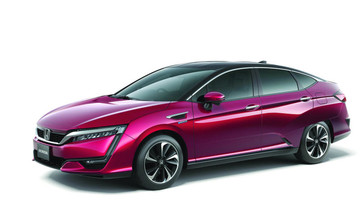
Toyota Motor Corporation will supply Toyota Mirai Fuel Cell Vehicles for testing in this pilot project. Toyota has been investing in hydrogen for over 20 years and in 2014 introduced the Mirai, its first mass-produced hydrogen fuel cell vehicle.

Aramco to build Saudi Arabia’s first hydrogen fuel cell filling station
- Deal struck with US=based Air Products
- Operational by second quarter of 2019
G7 countries to release oil reserves in global push to tackle Iran war energy price surge
- IEA expected to recommend the largest oil reserve release in the agency’s history
RIYADH: Germany, the US, Japan and Austria will release part of their oil reserves after the International Energy Agency recommended the release of 400 million barrels of oil from stockpiles, the largest such move in IEA history.
Germany’s Economy Minister Katherina Reiche confirmed on Wednesday the government plans to limit petrol price increases at filling stations to once a day and to introduce more stringent antitrust regulation of the sector.
She did not give an exact timing for those measures, but added that the US and Japan would be the largest contributors to the release of the oil reserves.
The announcements did not stop oil prices rising, with Brent crude up 3.26 percent to $90.66 a barrel at 4:29 p.m Saudi time, and West Texas Intermediate up 3.12 percent to $86.05. Both were some way below the $119 a barrel seen earlier in the week.
“The situation regarding oil supplies is tense, as the Strait of Hormuz is currently virtually impassable,” Reiche said.
“We will comply with this request and contribute our share, because Germany stands behind the IEA’s most important principle: mutual solidarity,” Reiche said about the IEA’s request.
According to a statement by Reiche’s ministry, Germany will contribute 2.64 million tonnes of oil. This corresponds to 19.51 million barrels.
Reiche stressed there was no supply shortage in the country, which has a legally mandated reserve of oil and oil products intended to cover 90 days’ demand.
The IEA’s move comes as countries are grappling with soaring crude prices amid the US-Israeli war with Iran.
Austrian Economy Minister Wolfgang Hattmannsdorfer said his country was releasing part of the emergency oil reserve and extending the national strategic gas reserve, adding: “One thing is clear: in a crisis, there must be no crisis winners at the expense of commuters and businesses.”
Acting ahead of the IEA move, G7 member Japan announced plans to release 15 days' worth of private-sector oil reserves and one month's worth of state oil reserves.
“Rather than wait for formal IEA approval of a coordinated international reserve release, Japan will act first to ease global energy market supply and demand, releasing reserves as early as the 16th of this month,” Prime Minister Sanae Takaichi said in a broadcast statement.