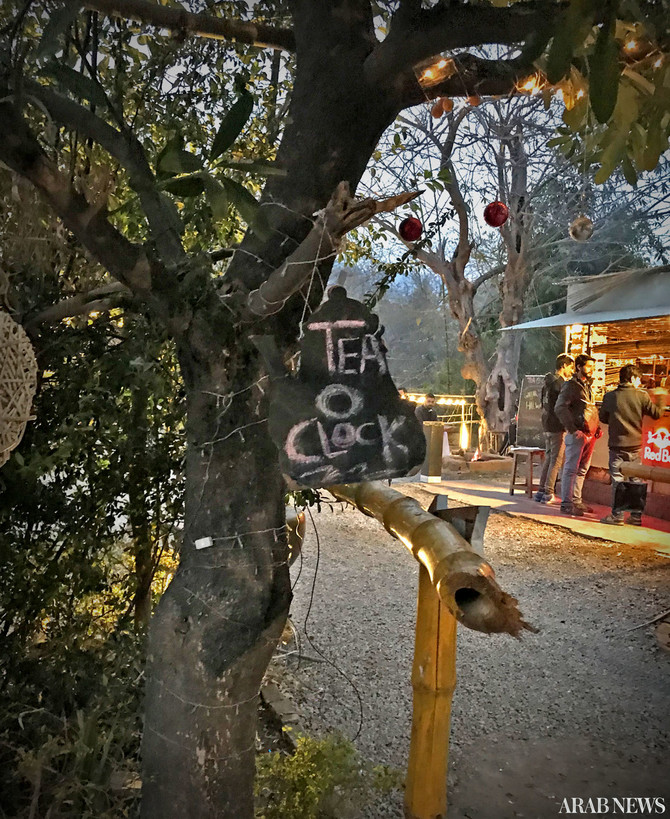
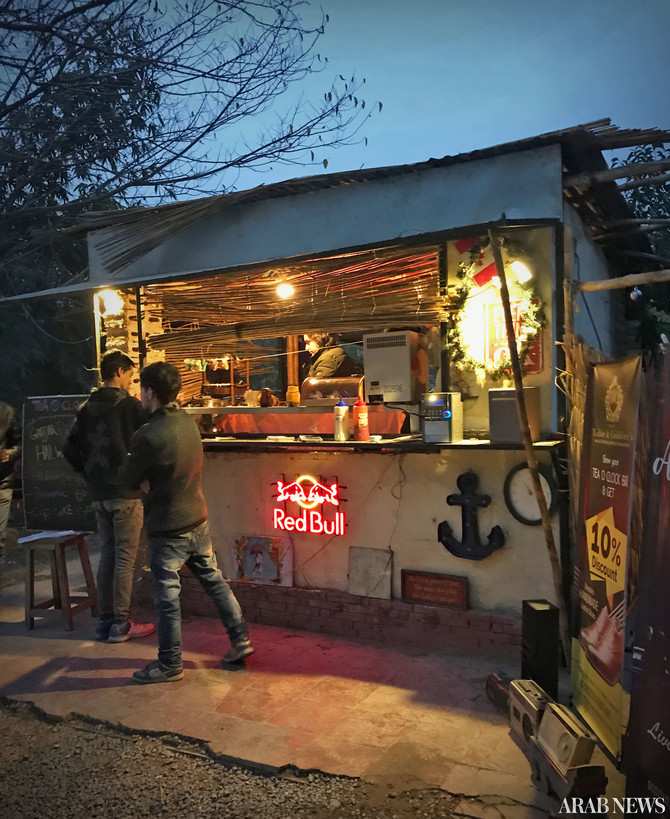
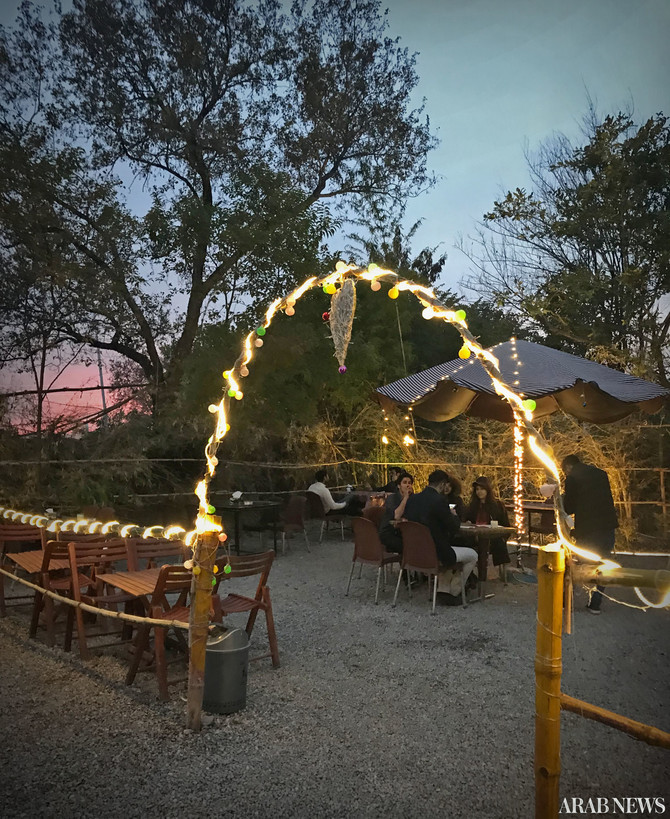
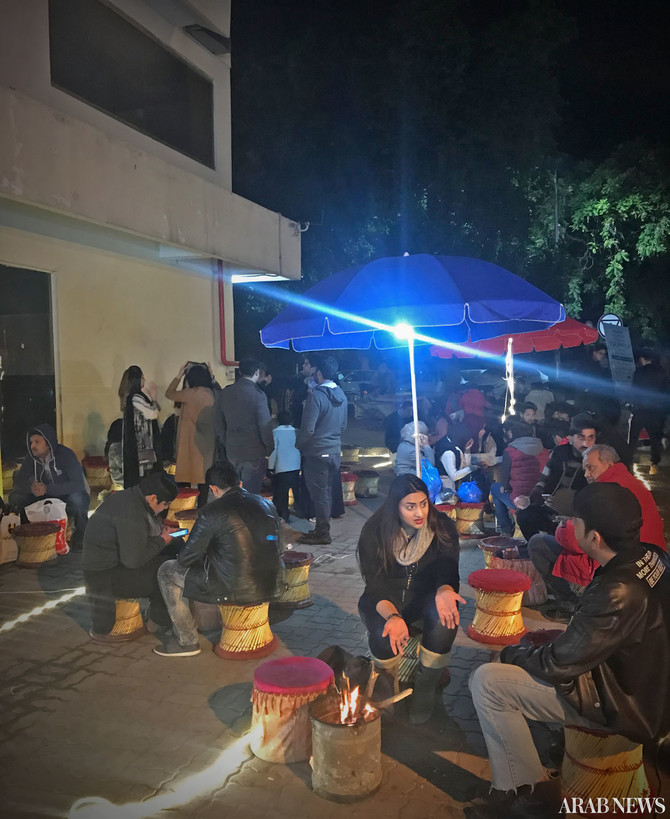
ISLAMABAD: Fairy lights sparkle on trees at a sharp bend in a corner of Islamabad’s upscale Jinnah Market. A stretch of road that was just unattended brush not too long ago now has lines of cars parked along it. A wooden cutout of a teapot announces a new addition to Islamabad’s chai scene: ‘Tea O’ Clock.’ Beyond this is a humble little shack where young people sit snugly on colorful chairs around small tables sipping steaming cups of tea.
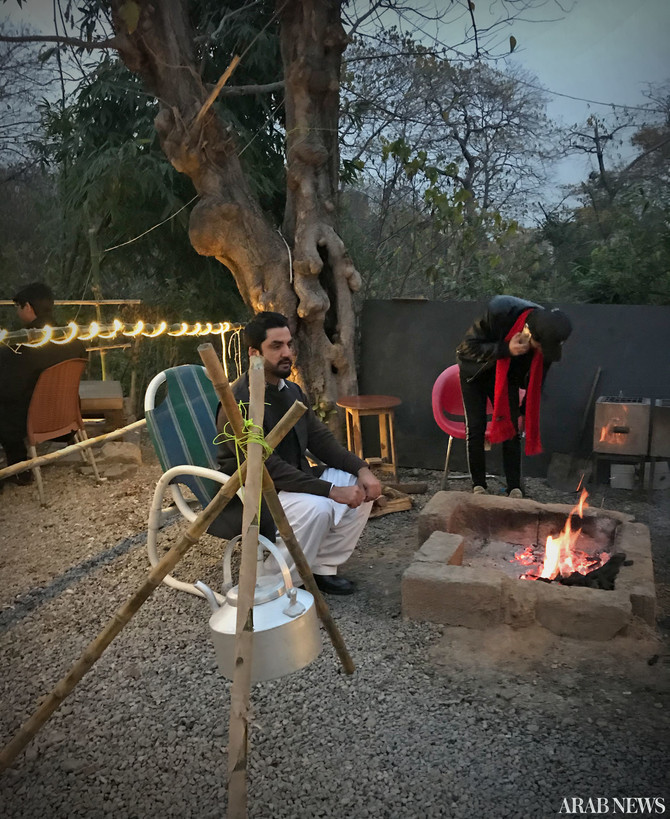
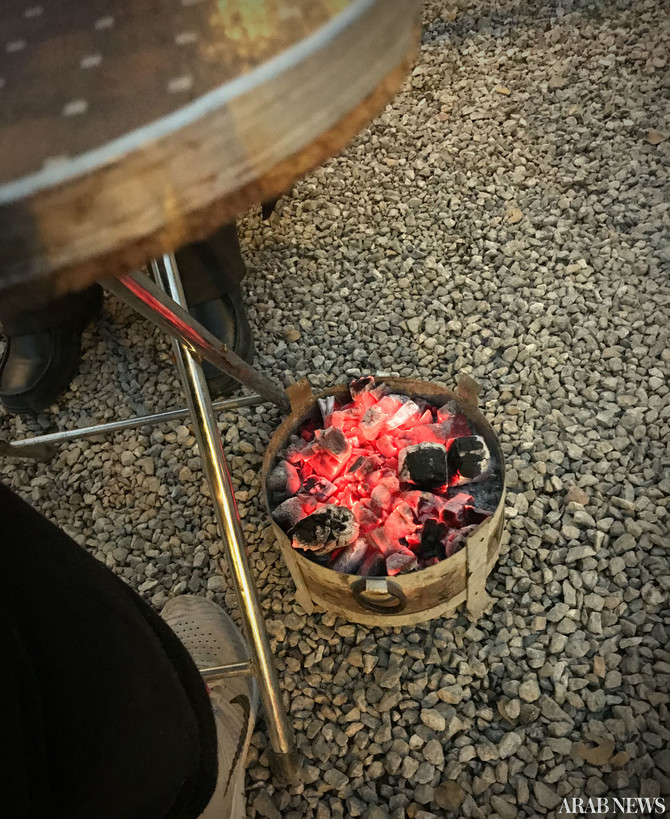
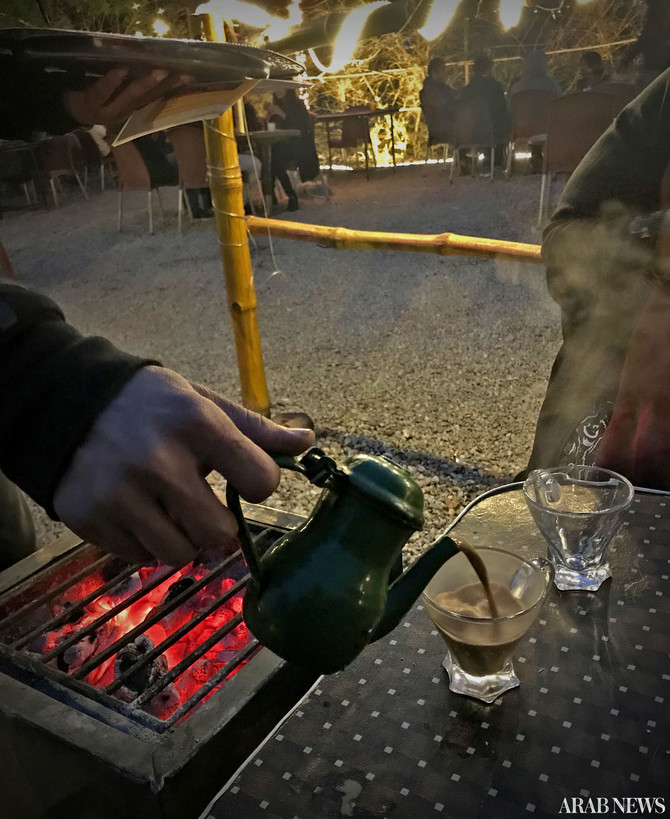
The scene looks like a still from an early 90’s film centered on a group of teens sharing the simple joys of living and forming life-long friendships around a milky elixir of black tea laced with cinnamon, cardamom and cloves. Coal-filled grills provide the necessary relief from Islamabad’s biting chill. On one table, three girls sing old Bollywood songs; on another, a game of Monopoly is in its final moments; on yet another, a group of young boys and girls discuss the semantic features of Urdu poetry.
Tea O’ Clock is one of five back-to-basics chai shops that have opened up in the upmarket F7 neighborhood recently, all steeped in nostalgia, with simple and unfussy menus aimed at giving the capital’s youth an option other than pricey restaurants and cafes.
“The response has been overwhelming, we are always crowded and it was surprising,” Tea O’ Clock owner Imran Khan told Arab News. “Even in the cold where I find it so difficult to sit out, it’s always full.”
“It sort of proves people needed a place like this.”
Khan opened up the chai shop on the unassuming strip of land about a year ago so he could have a place to sit, work and relax which wasn’t an upscale cafe or restaurant.
“I made something for myself which was not very fancy,” Khan said. “And it turned out to be very successful.”
“The youth here, the young crowd, they don’t have much today to do, honestly. All we have is restaurants where you go eat and have to leave,” Khan said as he warmed his hands on a coal heater. “There’s nothing, no place where you can sit for an hour for something social and casual to do.”
He said people came to his chai shop to do office work, play cards, just chat with friends “all over a simple cup of tea.”
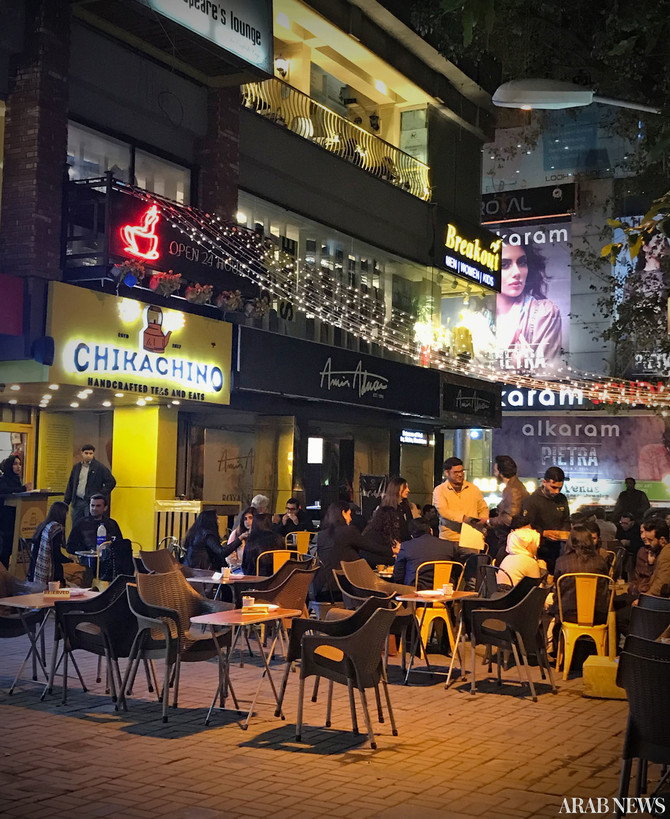
Last year, Chik-a-Chinos started a revolution in Islamabad’s restaurant world as an outdoor cafe with (comparatively) low prices, street eats and, yes, chai.
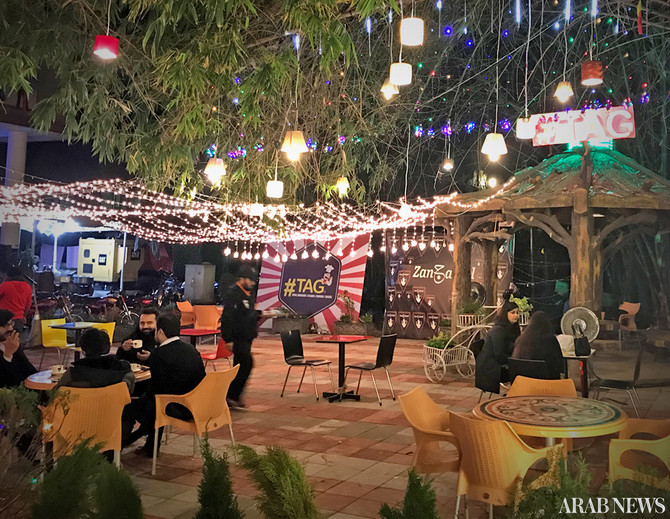
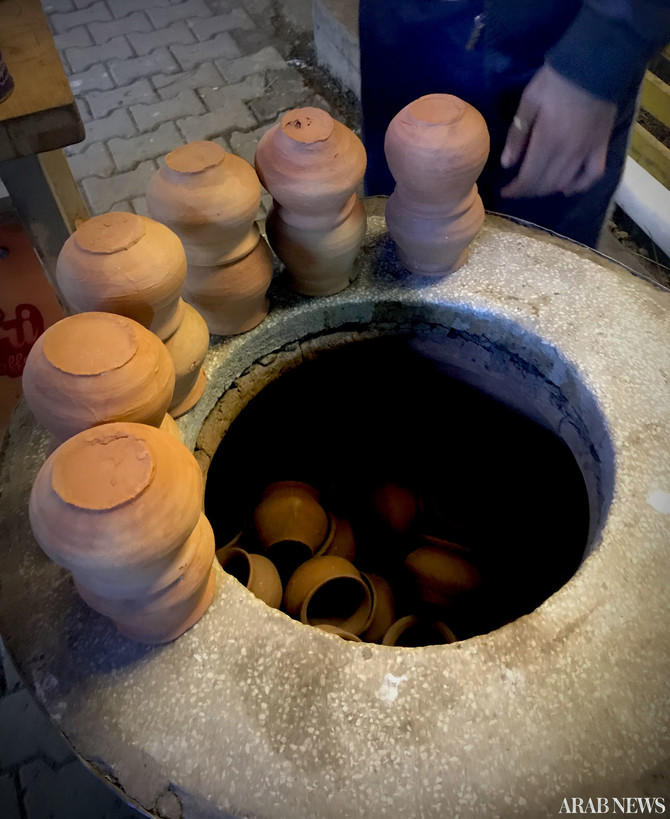
Quetta Tea ‘n Teas in F10, and it’s sister restaurant, an outdoor dhaba style cafe called #TAG, also opened in F7, both focusing on chais from Quetta and eats to match. Previously home to cellphone stores, an entire strip of the F7 market now boosts of chai vendors that sell a simple cup of tea in a single-serving sized matka, or clay pot.
The largest of these is Tandoor Junction, sitting on the sidewalk of the corner of Jinnah Market. The menu is simple: six different variations of chai.
“We come and sit here because it’s just easy,” said Javaid Malik, 30, who was at Tandoor Junction with a larger group of friends. “You don’t always want to be in a restaurant, paying a ton of money. This feels more free.”
Another patron, Nida Aziz, said at Quetta Tea ‘n Teas: “I like that I can leave work, come here, easily meet up with other friends and finally have a place outside of home and restaurants to have a conversation. That’s what’s really been lacking here: a place you can go and talk like when we were kids in school.”


![]()
![]()
![]()
![]()
![]()
![]()
![]()
![]()
![]()
![]()
![]()
![]()
![]()
![]()
![]()
![]()
![]()

In Pakistan’s upscale capital, a new tea culture blossoms






In Pakistan’s upscale capital, a new tea culture blossoms
- ‘Tea O’ Clock’ is the newest entrant in Islamabad’s growing chai scene
- Authentic chai cafes replace pricey restaurants as options for the city’s youth
Latest updates


© 2026 SAUDI RESEARCH & PUBLISHING COMPANY, All Rights Reserved And subject to Terms of Use Agreement.