

Saudi Arabia’s cultural diversity on display in Jazan Heritage Village at Janadriyah 

1 / 9
The village is updated each year and educates visitors about the culture of Jazan, which is located in southern Saudi Arabia. (SPA)
2 / 9
The village is updated each year and educates visitors about the culture of Jazan, which is located in southern Saudi Arabia. (SPA)
3 / 9
The village is updated each year and educates visitors about the culture of Jazan, which is located in southern Saudi Arabia. (SPA)
4 / 9
The village is updated each year and educates visitors about the culture of Jazan, which is located in southern Saudi Arabia. (SPA)
5 / 9
The village is updated each year and educates visitors about the culture of Jazan, which is located in southern Saudi Arabia. (SPA)
6 / 9
The village is updated each year and educates visitors about the culture of Jazan, which is located in southern Saudi Arabia. (SPA)
7 / 9
The village is updated each year and educates visitors about the culture of Jazan, which is located in southern Saudi Arabia. (SPA)
8 / 9
The village is updated each year and educates visitors about the culture of Jazan, which is located in southern Saudi Arabia. (SPA)
9 / 9
The village is updated each year and educates visitors about the culture of Jazan, which is located in southern Saudi Arabia. (SPA)
Updated 28 December 2018
Follow

Saudi Arabia’s cultural diversity on display in Jazan Heritage Village at Janadriyah 

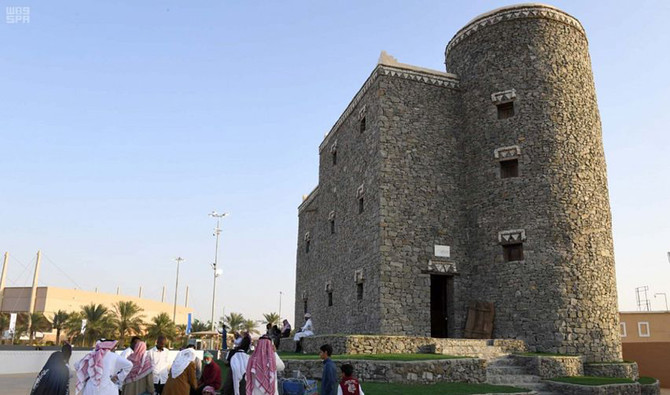
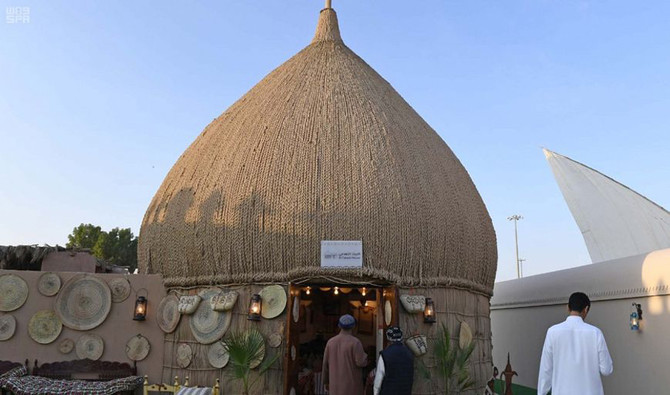
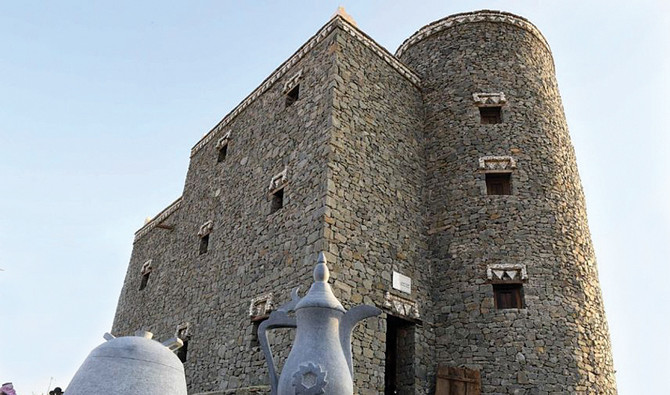
  • One of the attractions at the heritage village is the architecture of the old buildings from Tihamah on the Red Sea coast.

JEDDAH: The Jazan Heritage Village is one of the highlights of the 33rd national heritage and culture festival in Janadriyah. It presents the changing environments that characterize each of the historical periods in the Jazan region, exhibiting its rich history and prosperous present. 

The Jazan Village is updated every year to offer visitors an informative and valuable display about the region, especially about its crafts and heritage. Working with the governor of Jazan Region, Prince Mohammed bin Nasser bin Abdul Aziz, and his deputy, Prince Mohammed bin Abdul Aziz bin Mohammed bin Abdul Aziz, it strives to make the experience as authentic as possible.

One aspect of the region’s heritage that attracted visitors this year, according to the Saudi Press Agency (SPA), was the section on the traditional houses of Tihamah, on the Red Sea coast. 

These houses are mainly found in villages, and are built from raw materials such as hay, mud, wood and rope, topped with decorated colored roofs. 

Another of the pavilions showcases the houses found on Farasan Island. They are characterized by their artistic decoration, white walls, and decorated roofs and upper windows. In the houses in the mountainous parts of the region, which rise to several storys, visitors can see that one floor is used to store essential tools and food.

The cultural exhibition in the village sheds light on the history of the region’s environment, with a range of displays such as on clothing and pottery. 

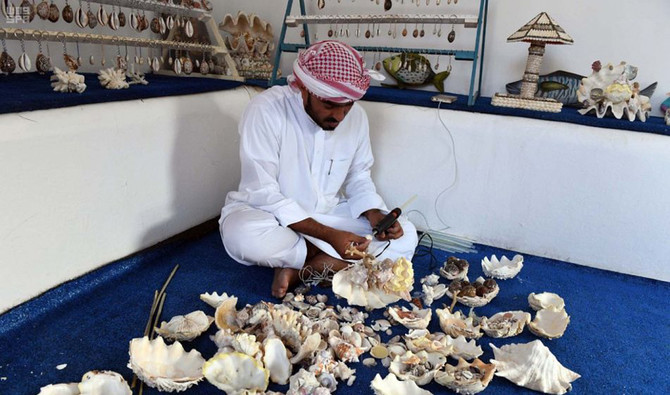
The market in the heritage village is another big attraction, where traditional skills in handicrafts and professions from the region’s past are on display. Visitors can watch how Jazan’s residents worked in the past by adapting the natural resources according to their needs, for example making pottery out of the local clay.

The Jazan food pavilion attracts a constant stream of visitors eager to learn how the traditional dishes are prepared. They can also taste the different foods at the restaurant in the village. It uses agricultural and animal products, as well as authentic crockery, and showcases the most famous dishes of the region.

The village also seeks to showcase the work women are doing in the region and stress their active and influential role in all fields. Visitors can interact with the families working in the village in the traditional manner, watching how they make clothes, perfumes, aromatic plants, dishes, jewelry and accessories.

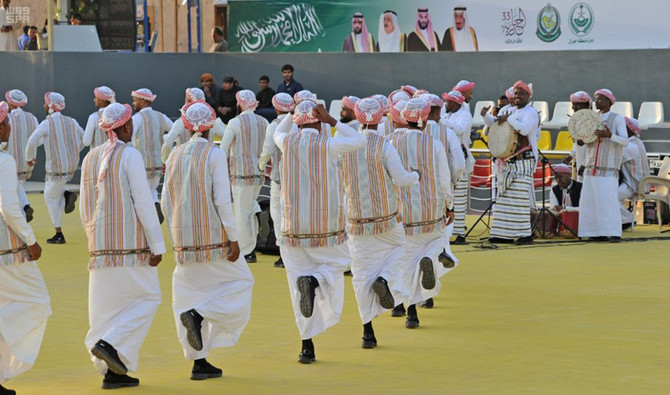
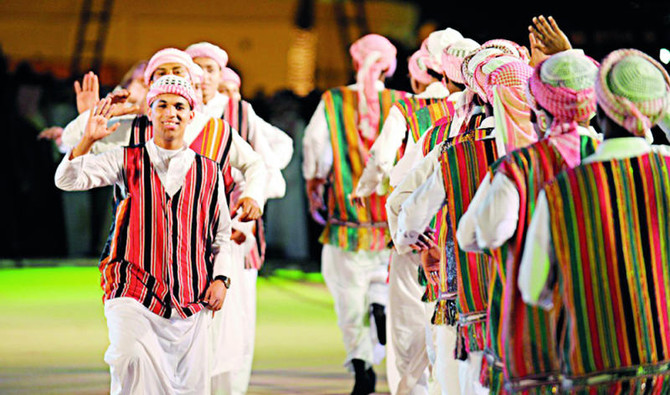
In the main square of the village, cultural, poetry and heritage nights are organized, along with games and dances, in addition to folklore shows from Bahrain, Oman, and the UAE.

These activities have attracted a large number of visitors to the square in previous years, and this year is no exception. Legends Mohammed Abdo and Rashid Al-Majid will also perform at the festival. 

An application has been launched to offer visitors information through explanatory maps about all the pavilions, daily visits, and key forums. 

The addition of cinema to this edition of the festival aims to acquaint visitors to the region about its components and treasures in various areas.

A series of documentaries and tourist features will be awaiting visitors to offer them a balanced view of Jazan’s rich cultural heritage and the renaissance and development journey the region is witnessing under the leadership of King Salman and his crown prince.

The shows will feature a series of films produced by the discovery Jazan team about the Al-Fatihah Valley, Mawhed village, the Duqm Mountain, Al-Hareed fish festival, and Lajab mountain.

The movies will be shown every day from 4:30 p.m. to 10 p.m., and on a daily basis during the event.


Klija Festival in Buraidah empowers small businesses

Updated 7 sec ago
Follow

Klija Festival in Buraidah empowers small businesses

  • Half a million attend 15-day celebration of heritage; event creates 1,500 seasonal jobs

RIYADH: The 17th Klija Festival in Buraidah drew more than half a million visitors during its 15-day run, celebrating the region’s heritage and entrepreneurial spirit.

Organized by the Qassim Chamber of Commerce, the event highlighted small businesses, providing a platform for entrepreneurs to showcase local products.

More than 340 sales outlets, marketing corners and points of sale welcomed attendees, while the festival provided 1,500 seasonal job opportunities.

The small business pavilions featured families in the cottage industry, artisans and startups presenting traditional foods, and handicrafts and heritage items that reflect the region’s identity.

Participants said that the festival was a key marketing platform, boosting sales, increasing brand awareness, facilitating knowledge exchange and fostering connections with organizations supporting SMEs.

Mohammed Al-Hanaya, Qassim Chamber secretary-general and festival supervisor, said that the event brought together families, artisans, SMEs, companies and institutions, stimulating commercial activity, opening direct marketing channels and enhancing economic returns.

He added that the festival provided seasonal jobs for more than 1,500 young men and women across operations, marketing and services, supporting the labor market, empowering national talent, and connecting youth to the events and creative economy.

Klija, a traditional cookie made from wheat flour, dates or sugar, date syrup and natural ingredients such as cardamom and lemon, is a rich source of energy, carbohydrates, dietary fiber and natural proteins.

A cultural icon rooted in Qassim’s traditions, the cookie has gained international exposure through the festival, expanding the availability of packaged products.

Starting next year, the festival will be renamed the International Klija Festival, a rebranding approved by Qassim Gov. Prince Faisal bin Mishaal, who described it as a “successful model for turning local initiatives into global economic engines.”

This year’s festival, held at the King Khalid Cultural Center, included international participants from Egypt, Turkiye and Morocco, marking its evolution into a cross-cultural platform.
