
AUTHOR: William A. P. Childs
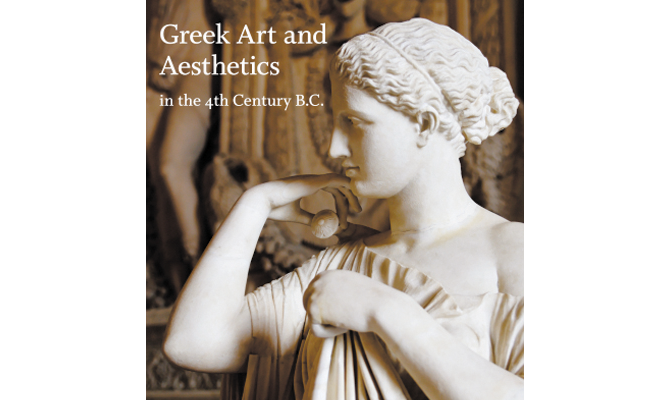
Greek Art and Aesthetics in the Fourth Century B.C. analyzes the broad character of art produced during this period, providing an in-depth analysis of and commentary on many of its most notable examples of sculpture and painting.
Taking into consideration developments in style and subject matter, and elucidating political, religious, and intellectual context, William A. P. Childs argues that Greek art in this era was a natural outgrowth of the high classical period and focused on developing the rudiments of individual expression that became the hallmark of the classical in the fifth century.
As Childs shows, in many respects the art of this period corresponds with the philosophical inquiry by Plato and his contemporaries into the nature of art and speaks to the contemporaneous sense of insecurity and renewed religious devotion. Delving into formal and iconographic developments in sculpture and painting, Childs examines how the sensitive, expressive quality of these works seamlessly links the classical and Hellenistic periods.