JERUSALEM: Israel has attacked Iranian-backed Shiite militias in Syria, Prime Minister Benjamin Netanyahu said on Thursday, casting such actions as potentially helping to stem a Syrian Sunni refugee exodus to Europe.
Israeli officials have previously disclosed scores of air strikes within Syria to prevent suspected arms transfers to Lebanon’s Shiite Hezbollah guerrillas or Iranian military deployments.
But they have rarely given detail on the operations, or described non-Lebanese militiamen as having been targeted.
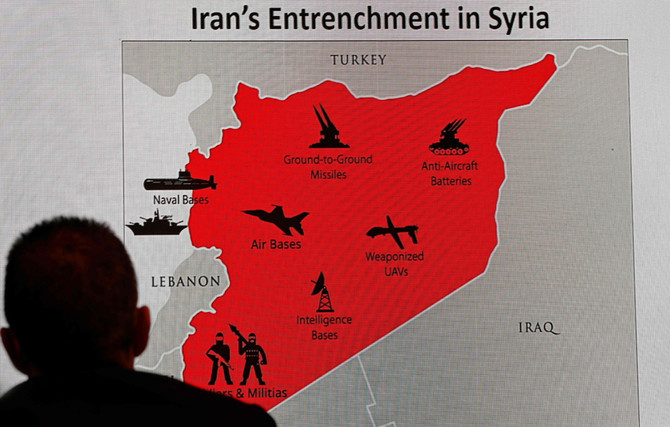
Netanyahu accused Iran, which has been helping Damascus beat back a seven-year-old rebellion, of bringing in 80,000 Shiite fighters from countries like Pakistan and Afghanistan to mount attacks against Israel and “convert” Syria’s Sunni majority.
“That is a recipe for a re-inflammation of another civil war — I should say a theological war, a religious war — and the sparks of that could be millions more that go into Europe and so on ... And that would cause endless upheaval and terrorism in many, many countries,” Netanyahu told an international security forum.
“Obviously we are not going to let them do it. We’ll fight them. By preventing that — and we have bombed the bases of this, these Shiite militias — by preventing that, we are also offering, helping the security of your countries, the security of the world.”
Netanyahu did not elaborate. About half Syria’s pre-war 22 million population has been displaced by the fighting, with hundreds of thousands of refugees making it to Europe.
Syria’s population is mostly Sunni Muslim. President Bashar Assad is from the Alawite religious minority, often considered an offshoot of Shiite Islam.
Under recent deals between Assad’s government and mainly Sunni rebels, insurgents have left long-besieged areas sometimes in exchange for Shiite residents moving from villages surrounded by insurgents.
The political opposition to Assad says the deals amount to forced demographic change and deliberate displacement of his enemies away from the main cities of western Syria. The Damascus government says the deals allow it to take back control and to restore services in the wrecked towns.


![]()

Israel has bombed Iranian-backed militias in Syria — Netanyahu
Israel has bombed Iranian-backed militias in Syria — Netanyahu
- Netanyahu accused Iran, which has been helping Damascus beat back a seven-year-old rebellion, of bringing in 80,000 Shiite fighters from countries like Pakistan and Afghanistan to mount attacks against Israel and “convert” Syria’s Sunni majority.
- About half Syria’s pre-war 22 million population has been displaced by the fighting, with hundreds of thousands of refugees making it to Europe.


Latest updates


© 2026 SAUDI RESEARCH & PUBLISHING COMPANY, All Rights Reserved And subject to Terms of Use Agreement.