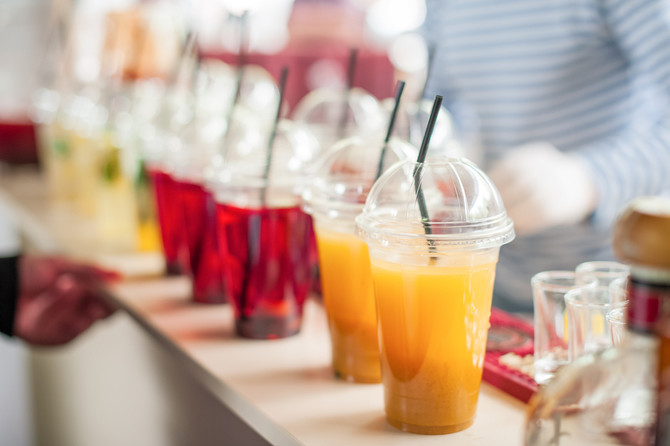
BRUSSELS: The EU proposed Monday a bloc-wide ban on single-use plastics such as straws, cutlery and cotton buds while urging the collection of most plastic drinks bottles by 2025.
The set of proposals are part of a growing EU drive to rid the environment of plastic waste which has begun showing up in the food chain.
“Plastic waste is undeniably a big issue and Europeans need to act together to tackle this problem,” EU First Vice President Frans Timmermans said.
“Today’s proposals will reduce single-use plastics on our supermarket shelves through a range of measures,” Timmermans added.
The proposals call for banning plastic cotton buds, cutlery, plates, straws, drink stirrers and balloon sticks, but it did not set a deadline.
These items must all be made from sustainable materials instead, according to the plan which must be approved by the 28 EU member countries and the European Parliament.
Member states must reduce the use of plastic food containers and drinks cups, by promoting alternatives for sale or ensuring they are not offered free.
Under the plan, producers must contribute to the costs of waste management and will be offered incentives to develop less polluting alternatives.
For example, it calls for producers of plastic fishing gear to cover the cost of waste collection from port reception facilities.
Under the plan, member countries must collect 90 percent of single-use plastic drinks bottles by 2025, through deposit refund schemes, for example.
The plan calls for producers to clearly label products and inform consumers how the waste should be disposed of.
The European Commission, the EU’s executive arm, said businesses will benefit from one set of rules for an EU market of around 500 million people.
It said it will encourage EU companies to develop economies of scale and become more competitive in the “booming” global market for sustainable products.
The proposals, plus one in January for all plastic packaging in Europe to be recyclable by 2030, follows China’s decision to ban imports of foreign waste products for recycling.
The EU currently exports half of its collected and sorted plastics, 85 percent of which goes to China.


![]()

EU proposes ban on straws, other single-use plastics
EU proposes ban on straws, other single-use plastics


Latest updates


© 2026 SAUDI RESEARCH & PUBLISHING COMPANY, All Rights Reserved And subject to Terms of Use Agreement.