MAKKAH: Makkah is famous for being a vibrant city throughout the year. Its long Umrah season, followed by the Hajj season, makes it a rich place visited by all nationalities from around the world. Makkah conforms to its culture, identity and profound heritage, especially during the holy month of Ramadan.
If you want to experience the aesthetics of Ramadan, Makkah is a Saudi city that’s wonderfully diverse. Citizens of different races were brought together by their love for Makkah, which they have chosen as a residence. This has characterized its identity and satisfied its customs and social patterns, making it unique among Saudi areas and cities.
The Mayor of Rea Zakher neighborhood, Fahad Al-Harbi, observes many traditions and historical features in Makkah, some of which have died out while others are still ongoing. Al-Harbi speaks of old neighborhoods that surrounded the Makkan sanctuary, and how they contributed to the culture of sharing and cooperating and laid friendliness in a small geographical area, linking districts and population centers of different races and spectrums.
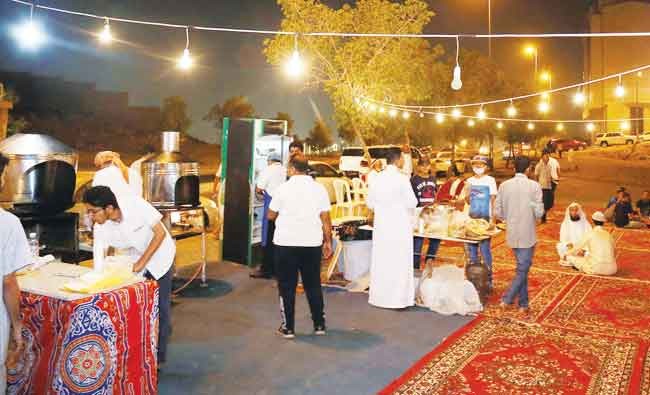
Al-Harbi says Makkah witnesses an increased activity during Ramadan, one of the great occasions that reflect the cultures of this city’s citizens and how they create their own happiness.
The work in ful, Sobia, Arabic sweets and other shops increases and their owners are friendly with people. All owners of specific food sell their products with pleasure and ease. They sing beautiful tunes they inherited while selling balilah, fried dumplings and soup.
Al-Harbi also tells about districts in Makkah that become crowded every year owing to sports events and witness the residents of one neighborhood bringing lights and drawing the lines of football and volleyball playgrounds. Tournaments are also held during Ramadan where the neighborhoods’ mayors give away trophies in the final games.
“The citizens of many neighborhoods near the sanctuary, such as Al-Shubaikha, Al-Gemmezah, Al-Tundobawi, Jarwal and others, compete to serve pilgrims during Ramadan. They give them water during breakfast, guide lost people and help the elderly to get to the sanctuary, and these are traditions the citizens of Makkah are proud of, while considering them their duties,” Al-Harbi added.
Businessman and engineer Amin Hafez noted that throughout the years, the royal neighborhood has maintained its cultural value which reflects the spiritual and heritage side of Makkah. In its districts, the citizens of Makkah meet pilgrims and get to know each other, establishing a great brotherhood and beautiful friendship.
Hafez said the royal neighborhood included models of Makkan houses, popular cafés, small shops, old cars that were used in the past and the Makkan heritage and architectural museum. All this diversity has made Ramadan nights in the city incomparable with any other cities: they are old neighborhoods that were linked to the Makkan sanctuary, some of which have faded away with the commitments of widening the Grand Mosque.
One elderly man from the Jarwal area near the Makkah sanctuary, Faleh Al-Moutaweh, told of many Ramadan traditions Makkah was renowned for but have died out. People have become busier with the widening of urbanism in Makkah.
In the past, the houses in Makkah during the holy month were painted on the inside and outside, welcoming Ramadan. Lights were used and sessions set in the streets near the houses where men spent their nights during Ramadan. The curtains, mattresses and cushions were cleaned, and two days before Ramadan, preparing red and white Sobia was a must.
Al-Moutaweh added that young men and women used to compete to serve pilgrims. They used to go to the Makkan sanctuary before the evening prayer, carrying Zamzam water and dates in beautiful pots. They would communicate with pilgrims in the languages they had learned and serve them yogurt and coffee for the whole holy month.


![]()

Experience the aesthetics of Ramadan in Makkah
Experience the aesthetics of Ramadan in Makkah
- The citizens of many neighborhoods near the sanctuary, such as Al-Shubaikha, Al-Gemmezah, Al-Tundobawi, Jarwal and others, compete to serve pilgrims during Ramadan
- The houses in Makkah during the holy month were painted on the inside and outside, welcoming Ramadan


Latest updates


Recommended


© 2026 SAUDI RESEARCH & PUBLISHING COMPANY, All Rights Reserved And subject to Terms of Use Agreement.