DUBAI: National Geographic Abu Dhabi (NGAD) launched the latest season of “I am a Nat Geo Photographer” last night. The four-part reality show pits four amateur photographers from the region against each other as they strive to capture a shot worthy of publication in “National Geographic Al Arabiya” magazine. The 2018 season is based in the United Arab Emirates.
Emirati artist Obaid Al Budoor, Saudi Hesham Al Humaid — a Dammam-based health-management technician, Lebanese artist Cynthia Ghousoub, and Egyptian freelance photographer Amina Sabry will face off in a series of challenges throughout the show.
The winner will receive an all-expenses-paid trip to Tanzania worth over $10,000, during which they will receive guidance from Nat Geo experts, in addition to $7,500 worth of Nikon equipment.
Saudi media personality Tariq Edrees hosts the show, and main judge Marwa Abu Laila — founder of Photobia and publisher of “Photo Egypt — is joined on the judging panel by award-winning Saudi Nat Geo photographer Tasneem Sultan; Iraqi photographer Mohamed Al Daou, head of research and development at the Hamdan Bin Mohammed Bin Rashid Al Maktoum International Photography Award; Red Bull photographer Naim Chidiac; and photojournalist Jack Dabaghian. Each episode will also feature celebrity guests, including martial arts expert Rio Altaie, fashion designer Faissal El-Malak and Los Angeles-trained actor Deepak Venugopal.
Al Humaid is, understandably, thrilled to be taking part. “To be a National Geographic photographer is a huge thing,” he said in a statement. “It’s a dream for me. A NatGeo photographer, in my view, has unique characteristics; he is a person that can handle tough circumstances and can adapt to any situation.”
He believes his “love for adventure” will be a benefit, but admitted: “My weakness is my shyness, which limits my abilities.”
Appearing in front of, potentially, millions on a pan-Arab TV show should help cure that.


![]()
![]()
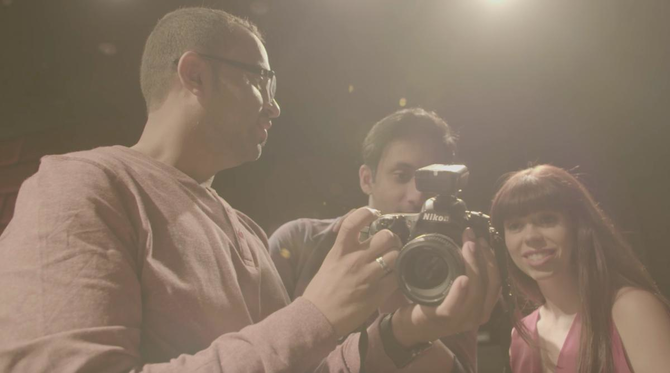
Shooting for the big time: Regional snappers in Nat Geo photography show

Shooting for the big time: Regional snappers in Nat Geo photography show


Latest updates


© 2026 SAUDI RESEARCH & PUBLISHING COMPANY, All Rights Reserved And subject to Terms of Use Agreement.