MUMBAI: Mehul Choksi, the jeweller accused of being a central figure in an alleged fraud of nearly $2 billion against Punjab National Bank, criticized India’s investigating agencies in a letter alleging gross abuse of due process in the ongoing probe.
In a letter to the Central Bureau of Investigation (CBI), one of the lead agencies probing the alleged loan fraud, Choksi said the seizure of his assets, bank accounts and the shutting down of all his offices in India has caused prejudice against him.
In the letter dated Mar. 7, which was reviewed by Reuters on Thursday, Choksi said investigating agencies were acting with pre-determined minds and interfering with the course of justice.
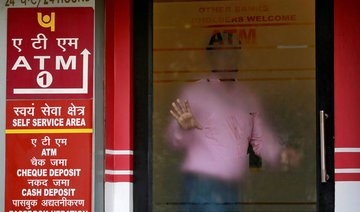
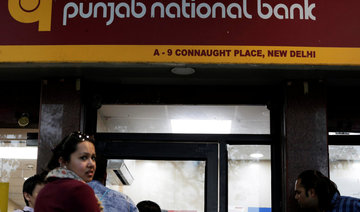
In what has been dubbed the biggest fraud in India’s banking history, Punjab National Bank (PNB) and police have accused two jewelry groups — one controlled by diamond tycoon Nirav Modi and the other by his uncle Choksi — of colluding with some bank employees to secure credit from overseas banks using fraudulent guarantees.
Choksi, who heads Gitanjali Gems, which operates stores under banners including Gili, Nakshatra and Asmi, said in his letter that while the CBI has seized his assets, it has yet to submit a “Seizure Memo” in court, as required by law.
Choksi, who authorities say left India before the complaint against him was filed and whose passport has been suspended, said he feared greatly that he would not get “fair treatment and a fair trial” if he returned.
Both Choksi and Modi have denied the allegations and lawyers for the two key accused PNB employees in the case have also said they are innocent. The whereabouts of Choksi and Modi, who police say also left India in January, are unknown.
A spokesman for the CBI said he did not have any immediate comment on Choksi’s letter.
Choksi said in the letter he had traveled abroad on business before the complaints were made and his departure was not “a direct result” of the allegations against him.
Local media reported last week that a Mumbai court issued non-bailable arrest warrants against Modi and Choksi following an appeal by the Enforcement Directorate (ED), an Indian agency focused on foreign exchange and money laundering offenses.
Choksi said in the letter that he had undergone a cardiac procedure during the first week of February and he was unable to travel for at least four to six months as the procedure was yet to be completed. He did not say where he was.
The jeweller also told the agency he was being threatened by individuals with whom he has a business relationship and that his employees, customers and creditors have started expressing their “animosity” after his business was shut down.
Choksi, accused the media of unfair coverage in the letter, and said politicians were politicizing the case and creating a bias against him.
Police have also so far arrested 19 people including eight of PNB’s current and former employees, along with executives from jeweller Nirav Modi and his uncle Mehul Choksi’s companies.
A source and documents reviewed by Reuters on Tuesday showed the amount involved in the fraud is likely to rise beyond the $2 billion mark.


![]()

PNB fraud accused Choksi says Indian authorities ignoring due process
PNB fraud accused Choksi says Indian authorities ignoring due process
Latest updates


© 2026 SAUDI RESEARCH & PUBLISHING COMPANY, All Rights Reserved And subject to Terms of Use Agreement.