BAGHDAD: Parliamentary and provincial elections in Iraq must take place on their scheduled date of May 12, the Federal Supreme Court ruled on Sunday.
The order ends a two-month debate on the issue after Sunni and Kurdish parliamentary blocs asked for voting to be postponed.
They argued that there was a lack of preparation because of the fight to drive Daesh out of towns and cities they had held for three years.
Gaining more time is crucial for Sunni politicians who lost their influence to political and tribal figures who fought Daesh alongside the government under the umbrella of Shiite-dominated paramilitary troops.
Kurds have also been looking to gain more time. Since October, they have lost their control over disputed areas after Baghdad launched a military campaign to drive the Kurdish forces back into their own region.
In their appeal for a postponement, the Sunni and Kurdish blocs relied on the previous electoral law, which said the date of the election should be approved by the parliament.
But the Supreme Court ruled that the constitution was “the supreme law in Iraq and is binding in all its regions, without any exceptions,” so the parliamentary and provincial elections should be held according to the constitutional dates.
“The Federal Court’s decision ended the debate over delaying the elections,” said Salim Al-Joubori, the parliamentary Speaker.
“The government must abide by its commitments to bring the displaced people back to their homes and provide them with the appropriate environment to ensure the participation of all in the upcoming election.”
Rebuilding infrastructure in cities and towns affected by the fighting, and bringing back more than three million displaced people to their homes, are the biggest challenges for the government before the elections.
Sunni politicians argue that the government cannot meet these commitments before the election date.
“This decision … is wrong and against the interest of Iraqis,” Hamid Al-Mutlaq, a senior Sunni politician, told Arab News. “The Supreme Electoral Commission is not ready to held the elections.” Hilding elections in May “does not give a fair or professional impression about the situation in Iraq,” he said.
“There will be a parliamentary session on Monday and we will see what to do.”


![]()
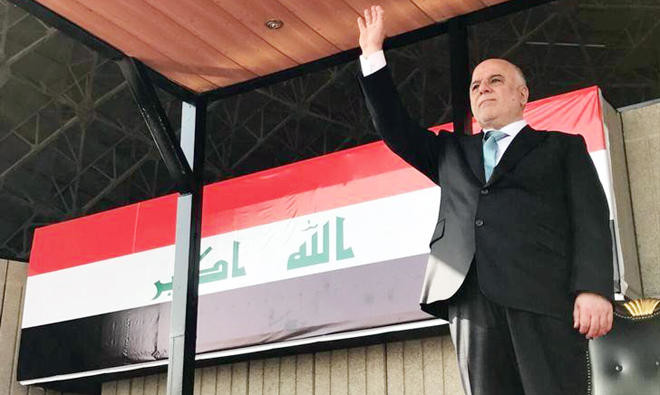
Iraqi court rules elections must take place on May 12
Iraqi court rules elections must take place on May 12

Latest updates


© 2026 SAUDI RESEARCH & PUBLISHING COMPANY, All Rights Reserved And subject to Terms of Use Agreement.