LONDON: British police arrested a second man over the bombing of a London commuter train as the overall threat level in the country was downgraded.
Thirty people are thought to have been injured during an attack on Friday when an improvised explosive device was detonated on a train at Parsons Green Underground Station.
“The Joint Terrorist Analysis Center, which reviews the threat level that the UK is under, have decided to lower that level from critical to severe,” Home Secretary Amber Rudd said.
A 21-year-old man was arrested by counter terrorism detectives in Hounslow, west London, late on Saturday, the Met said in a statement.
The operation had little impact on the crowds doing their Sunday morning shopping on Hounslow High Street, where few of the people listening to buskers outside the Treaty Shopping Center knew either of the arrest or the country’s elevated threat level.
But while Londoners may be unshaken by the series of terror incidents that have hit the capital this year, police called for the public to remain vigilant.
It was Britain’s fifth terror attack in six months.
The man was arrested under section 41 of the Terrorism Act and taken to a south London police station where he remains in custody.
It follows the earlier arrest of an 18-year-old man in the port area of Dover on Saturday.
Police launched a manhunt after a “bucket bomb” was detonated inside a packed carriage.
“What is interesting is that they decided to return to transportation infrastructure, said Erroll G. Southers, an expert in counterterrorism and the author of “Homegrown Violent Extremism”.
“Aviation is becoming increasingly hard so why not go to rail and buses.”
While Daesh said it was responsible for Friday’s attack, British Home Secretary Amber Rudd questioned the claim.
“It is inevitable that so-called Islamic State or Daesh will try to claim responsibility but we have no evidence to suggest that yet,” she told the BBC.
Rudd also dismissed as pure speculation a tweet by US President Donald Trump that those responsible for the attack were “in the sights of Scotland Yard”.


![]()
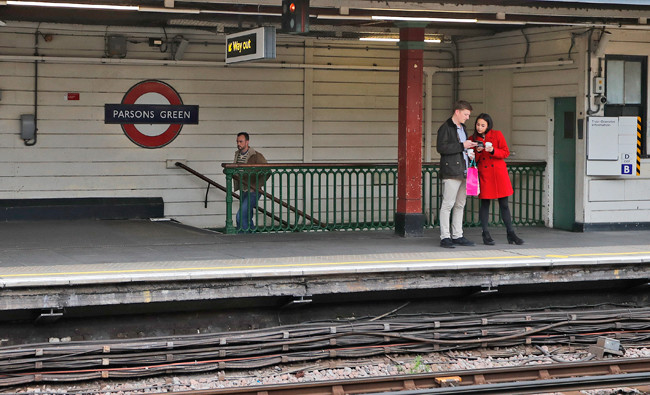
Second man arrested as threat level lowered after London Tube attack
Second man arrested as threat level lowered after London Tube attack

Latest updates


© 2026 SAUDI RESEARCH & PUBLISHING COMPANY, All Rights Reserved And subject to Terms of Use Agreement.