AMMAN: Jordan held local elections on Tuesday in a move officials say will help devolve some powers to larger cities and underdeveloped rural regions but which critics say falls short of promised wider political reform.
The countrywide municipal vote — the first since 2013 — is a stated bid by the government to bring wider grassroots democracy that King Abdallah has said would provide marginalized communities with a bigger voice in state decisions.
Over 1.3 million people — or 31 percent of those eligible — voted on Tuesday, the head of the government-run electoral commission Khaled Kalaldeh said. Over 30,000 police were deployed to secure more than 5,000 polling stations nationwide.
Over 6,000 candidates competed for 1,833 seats on 100 city and town councils and 12 new governorate (provincial) councils that will have the decisive say on investments in infrastructure and other projects of regional concern.
“Decisions on major development projects are now in their (governorate) hands and they are the ones who will set the priorities, not the ministries in the capital,” a senior government official told Reuters.
Last year, Parliament approved a decentralization law that established the governorate councils, with a 10 percent quota for women to encourage their participation.
“The Jordanian state continues to encourage elections and dialogue through the ballot boxes, at a time when we are surrounded by bloodshed and violence,” government spokesman Mohammed Al-Momani said.
But critics said the election turnout pointed to widespread voter apathy, particularly in the capital Amman and the provincial industrial city of Zarqa where many voiced doubt the government would deliver on pledges of democratic reform.


![]()
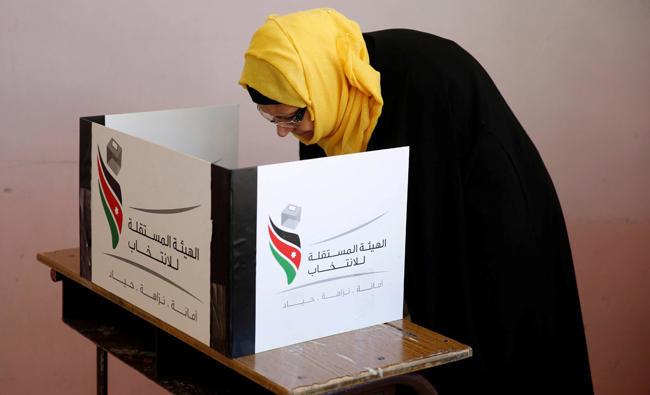
Jordan holds local elections in step to devolve powers
Jordan holds local elections in step to devolve powers



Latest updates





© 2026 SAUDI RESEARCH & PUBLISHING COMPANY, All Rights Reserved And subject to Terms of Use Agreement.