JEDDAH: First there was the buildup to Ramadan, then people got to enjoy the vast array of tasty dishes available throughout the holy month. Now people are getting ready to return to their regular lives — but only after celebrating Eid Al-Fitr.
It is a time when Muslims dress up in their newest clothes, spend time with family and enjoy their an array of delicious treats.
From savories to sweets, tables across Saudi Arabia will be spread with lavish meals for friends and family.
In Saudi Arabia, it is traditional for families to meet at the patriarchal home after Eid prayers. Before the food is served, young children will be given money and gifts by the adults. The parcels of gifts are exquisitely decorated and full of toys and candies.
For Saudi families, Eid is a time to celebrate tradition and that includes certain dishes that are an absolute necessity during this special time. These authentic dishes include mugalgal, jereesh and ghuraibah.
Mugalgal is one of the more famous dishes in Saudi Arabia. The dish, which is commonly enjoyed during Eid, contains chopped lamb meat, fresh tomatoes, onions and green pepper fried together with spices.
However, Eid Al-Fitr is known as the “Sweet Eid” because of the variety of desserts consumed on this occasion. So, what sweet staples do Saudis enjoy on the big day?
Debyazah is a traditional sweet dish that forms an essential part of the Eid breakfast. Sharing debyazah with friends and family has been a tradition for generations. Cooking debyazah is a long process which is usually begun three days before Eid.
The sweet dish is made of fresh nuts, including almonds, pistachios and pine nuts. Dried fruits are also added, including figs, apricots, dates and raisins.
A lot of the flavor comes from spices such as cardamom and ground cinnamon, while sugar and margarine are also commonly added.
Once ready, thick apricot nectar should be poured into a large pot and warmed until it boils. The final result is a sweet, orange-colored soup — best served warm.
Shereyya — sweetened noodles — is another popular sweet dish. The dish has been prepared by Arab people since ancient times and is considered a traditional Palestinian dish.
Shereyya is made with regular noodles fried in vegetable oil and butter. Three glasses of water are added, then it turns a shiny golden color. Sugar, cardamom or ground cinnamon can also be added as desired.
In the run-up to Eid, the women of a typical Saudi household will start to prepare maamoul — a small shortbread filled with dates, pistachios or walnuts. The main ingredients are semolina, dates, pistachios or walnuts.
They can vary in shape and can either be decorated by hand or made in special wooden molds. When made with a date filling, these tasty treats are also known as menenas.
While these sweet biscuits can be found in many homes throughout the year, they are particularly relevant during religious festivals.
Ghuraibah biscuits are the smoother, finer version of maamoul and can easily be made at home. However, they are even more easily bought from any Middle Eastern sweet shop in Saudi Arabia.
Jereesh is a traditional dish that is popular across the Arabian Peninsula. Made with crushed wheat that is then cooked in milk, the texture of jereesh is similar to the texture of porridge when cooked with milk.
If you wish to eat this as a savory dish, you can top jereesh with onion and black lime, which adds a sour taste. It may take a long time to cook, but this dish is worth it.
Speaking to Arab News, Dina Bogary, 17, explained what Eid breakfast is like in her household.
“On the first day of Eid, our breakfast is always simple because no one wants cook at that time. We all get very tired during Ramadan, so instead we buy the food from the grocery store. We might have labneh, olives, Istanbul cheese, Hungarian cheese, pickles, ful, honey and cream — all that good stuff.”
But after the first simple breakfast, it is a day of scrumptious treats for the whole family.
• [email protected]


What’s cooking? Delicious Eid staples found on every Saudi table


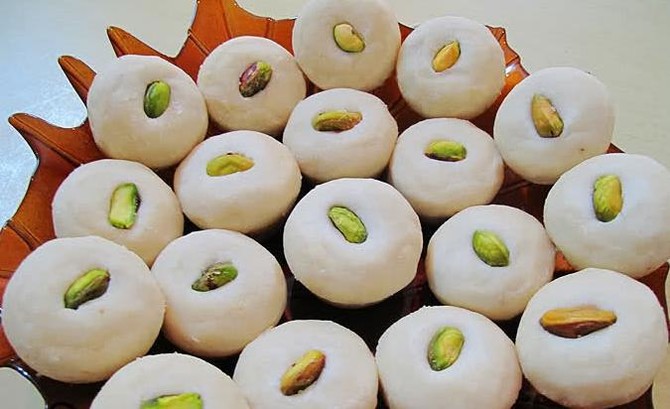



What’s cooking? Delicious Eid staples found on every Saudi table
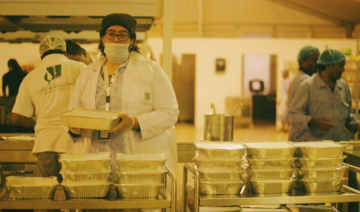



Where We Are Going Today: Nakhat Marga
- For the main course, the menu offers a variety of meat and chicken dishes, but the must-try is madhgout laham, a flavorful one-pot meal of spiced meat slow-cooked with rice and served hot
Nakhat Marga, with locations in Al-Naeem and Al-Waha in Jeddah, is a restaurant that focuses on traditional Saudi meat and broth dishes, making it a fitting choice to celebrate Saudi Founding Day.
The menu is structured around classic dishes, offering a wide selection of meats, chicken, and accompanying sides that reflect the culinary heritage of the Kingdom.
We began with jareesh, a creamy, savory porridge, and marqa, a slow-cooked stew of tender meat, onions, garlic, and different spices, simmered to create a rich broth.
For the main course, the menu offers a variety of meat and chicken dishes, but the must-try is madhgout laham, a flavorful one-pot meal of spiced meat slow-cooked with rice and served hot.
If you are looking for other rice options, red meat madhbi is cooked in a traditional style, with muqlaqil and maknoom offering familiar tastes that many in Jeddah would recognize from home-cooked meals.
Among the chicken dishes, kabli stands out for its balanced flavor, but the must try is the maqluba which is served in a generous portion, layering rice and chicken in the classic inverted style. The taste is so good that you may end up eating more than you expected.
Side dishes such as liver and moussaka were consistent with their descriptions and went well with the mains, not too heavy or filling. I also tried the yogurt cucumber salad, which offered a simple, cooling contrast to the heavier meat dishes.
Desserts such as basbousa are served with a dipping sauce, while marsa, made from semolina, sugar, butter, and flavored with cardamom, is similar in texture to basbousa but may vary slightly in ingredients and taste different.
Aseedah is a must-try when visiting, delivering a comforting taste of Saudi cuisine with its soft, traditional porridge served with butter, honey, or date syrup.
The restaurant’s atmosphere leans more toward functional but traditional dining rather than an elaborate experience, which keeps the focus on the food itself.


