


Arabic desserts have always conquered the hearts of fasting Muslims in the Middle East with their rich ingredients and tantalizing appearance. Many Middle Eastern treats are linked to the holy month of Ramadan, when hardly a day passes without a sweet dish taking center stage on the table. Some of the most famous traditional Arabic delights have been given a modern twist in recent years, either for change or out of creativity.
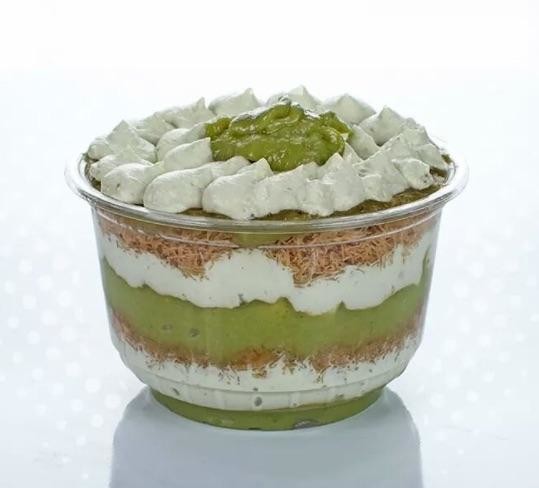
Avocado Kunafa
Traditional: Spun shredded wheat filled with cream, cheese or nuts and soaked in sugar syrup.
Modern twist: Adding creamy avocado.
Recently, an Egyptian restaurant took the Internet by storm after announcing the creation of an unusual kunafa made with avocado paste. This is not the first time the Etoile bakery has introduced an attention-grabbing variety of kunafa flavors — mango, pomegranate and blueberry kunafa all make an appearance on the menu. Red velvet and chocolate kunafa are also popular.
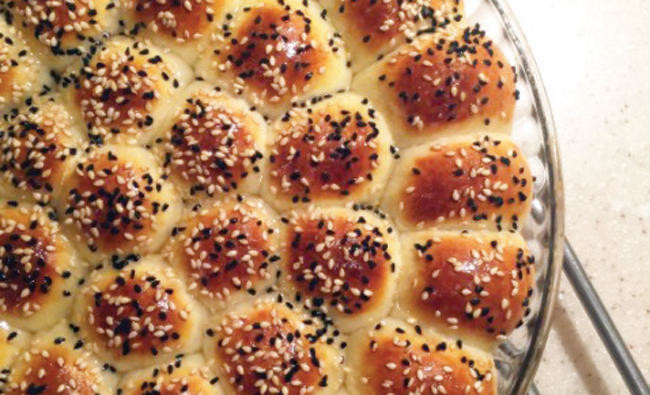
Beehive sweet buns
Traditional: Honeycomb-patterned buns with cream cheese filling soaked in sticky honey syrup.
Modern twist: Getting cheeky with chocolate, peanut butter and jelly.
These sweet buns are no longer cheesy as chocolate has taken over. Instead of filling the buns with cheese, many people attempted to think outside the box and be a little adventurous with their ingredients. The results include delicious chocolate-filled buns that have been soaked in condensed milk. The other twist might not be as popular as the widely-loved peanut butter and jelly sandwich. The cherry syrup-soaked buns are filled with chunks of peanut butter mixed with jelly.
Qatayef
Traditional: Deep-fried or baked half-moon-shaped pancakes filled with cheese, nuts or cream and soaked in sugar syrup.
Modern twist: Sweetening it up with chocolate.
As if deep-fried pancakes were not rich enough, chocolate and coconut are now added to the calorie-rich recipe. A Bounty chocolate bar is placed inside the pancakes before being fried and served with hot syrup.
Luqaimat
Traditional: Plain, sweet dumplings dipped in honey or sugar syrup.
Modern twist: Finishing it up with a cheesy ending.
Crunchy on the outside and soft and airy in the middle, these dumplings are finally getting a creamy touch. Tiny pieces of unsalted cheese are placed inside the dough, which is then deep-fried and generously soaked in syrup or honey.
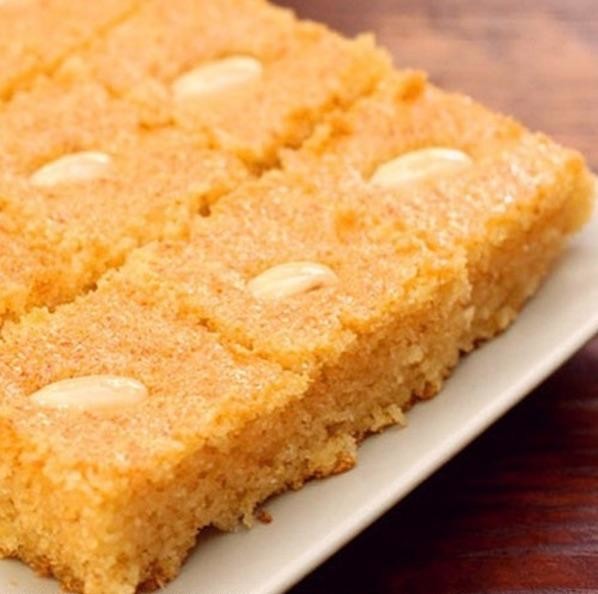
Basbousa
Traditional: Sugary cake made of cooked semolina soaked in syrup.
Modern twist: Adding a generous helping of Nutella or cream.
This Egyptian cake used to be all about almonds and sometimes coconut but that is no longer the case. Nutella is placed between two layers of semolina and baked. The updated version of this sweet treat is served without syrup.
Baklava
Traditional: Flaky pastries made of many layers of paper-thin dough filled with groundnuts and drenched in syrup.
Modern twist: Softening it up with cream and orange syrup.
Once believed to be the dessert of royals due to its hard-to-obtain ingredients, classic baklava is getting a modern revamp. Instead of chopped nuts, cream is added to the paper-thin dough layers and topped with crumbled pistachio and sticky syrup or honey. Another twist includes the replacement of traditional sugary syrup with sweet orange syrup.
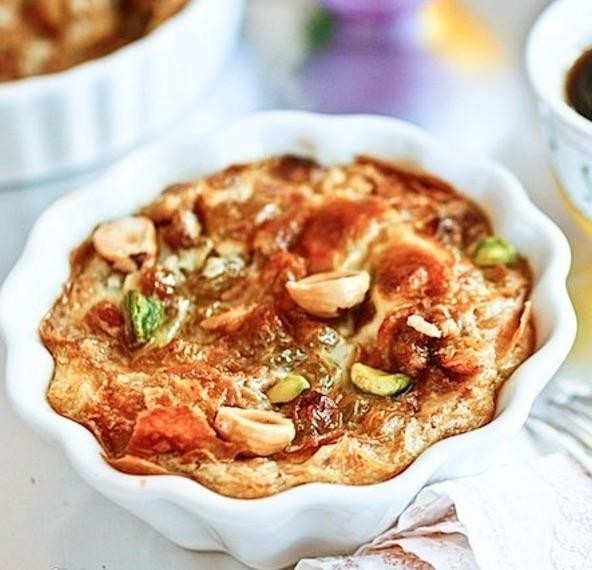
Umm Ali
Traditional: Equivalent to bread and butter pudding, this dessert is made with puff pastry combined with heavy cream, dried fruits, nuts and raisins.
Modern twist: Using a croissant instead of bread? Ooh la la!
This dessert has witnessed several waves of change over the years with cornflakes sometimes used instead of the light and flaky puff pastry. However, the addition of a buttery French croissant, topped with dried fruits, nuts and raisins and generously covered with either hot milk or heavy cream, has wowed diners across the region.
Email: [email protected]