

If you want to enjoy a Turkish breakfast in Jeddah, Gulnar Bakery & Cafe is the place — however, it is only served 7 a.m. to 12:30 p.m.
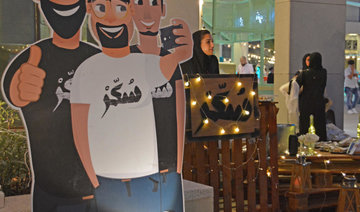
Gulnar Bakery & Cafe is one of the many Turkish-style cafés in Jeddah. Gulnar is located in Al-Naeem District and serves traditional Turkish breakfast and desserts. It is a cozy well-decorated place fit for couples and small families.
Starting with the name of the café and following through with its interior design, and until the very last sip of the black magic aka Turkish coffee, it is all “Turkized.”
Gulnar’s name stems from “Gul,” or flower, and “nar,” or “pomegranate.” Gulnar is the pomegranate flower, also known as the flower of fire.
The cafe offers fresh pomegranate juice that will wash away the dusty, summer heat and will cool your throat. It is also beneficial for your blood. Make sure to drink it quickly before it turns bitter.
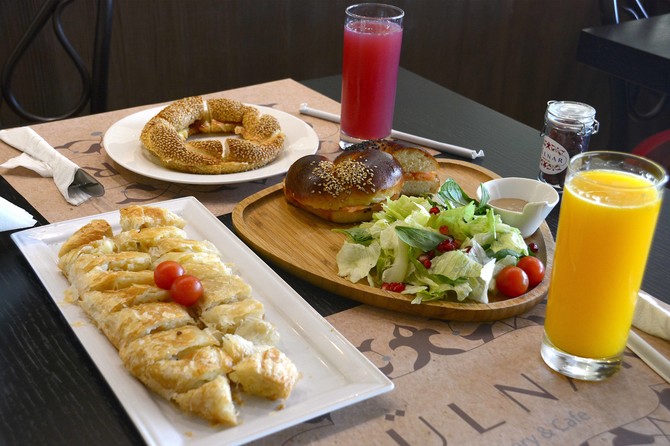
The place is full of freshly baked bread scents, which signal a good morning and an accompanying good mood. That is because the cafe presents the most popular Turkish baked products such as sesame ring-shaped bagels stuffed with white cheese, jam, butter, peanut butter or Nutella.
“Börek” are baked filled pastries made of thin flaky dough stuffed with potato, Spanish beef or cheese.
We picked the intercontinental breakfast consisting of red Turkish tea, butter and jam-stuffed Simit, potato Börek, pomegranate salad along with a salmon sandwich and a plate of honey and cream, Turkish cheese and olives.
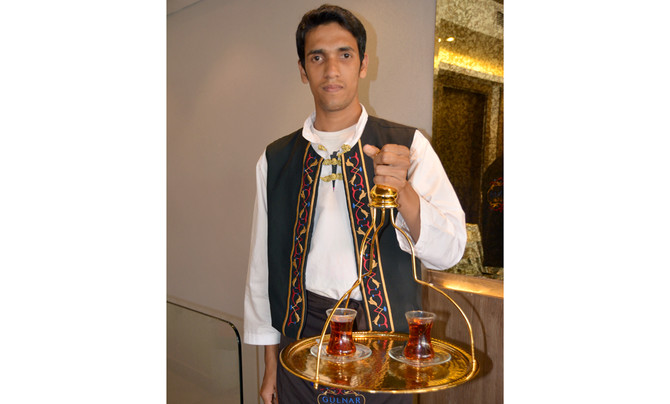
Turkish coffee gets its name from the country it was created in, but when it comes to breakfast, Turks are definitely tea people. In Gulnar Café, the tea was prepared in the traditional Turkish way. Water for tea is heated in a samawer over charcoal and is left to simmer on the gentle heat until it steeps.
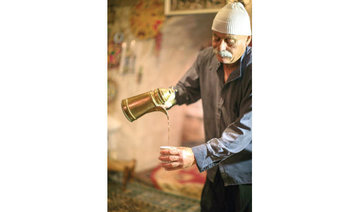
But Turkish coffee is the real story. We all know what it takes to make a cup of Turkish coffee. Normally you would heat it to a point where it just begins to bubble, but under a rolling boil, so it begins to foam up into the neck of the cans before reducing the heat and allowing the foam to die. The process is repeated three or four times before the mixture is poured into a small cup.
However, Gulnar’s coffee is boiled on sand. The sand can be heated using any method, as long as the heat is consistent.
True Turkish coffee is strong, thick, black and best served with a fresh piece of Lokum or baklava, to keep the sweetness to your mouth.
At Gulnar, we had both a priceless piece of heavenly Turkish delight and baklava stuffed with “booza,” Turkish vanilla ice cream with pistachio.
Lokum, or Turkish Delight, is a nougat dessert served with a variety of flavors and fillings, and often topped with powdered sugar. Gulnar serves it with the sweet and sour pomegranate flavor. If you have a sweet tooth, a bite of the chewy delight will make you want to have the jar before you leave the café.
The menu is short and simple, and will leave you with limited options so you can select fast without getting distracted. Breakfast prices are what you would expect from a small restaurant – very reasonable.
Altogether the atmosphere of Gulnar appeals to everyone who is in love with Turkey.