“Coffee should be black as hell, strong as death and sweet as love.” — Turkish proverb
A three-day coffee and chocolate festival held recently by Caffeine at Emaar Square-Jeddah Gate brought out Jeddawi coffee and chocolate addicts to savor all things C8H10N4O2 (for the uninitiated, that’s caffeine).
The Caffeine Festival featured blends of Arabic coffee, including types from Damascus, Ramallah, Riyadh and Amman. And we learned that chocolate is the most common additive, either sprinkled on top or added in syrup form, while other flavors can be included such as cinnamon, nutmeg and Italian syrup. One type of Saudi Arabian coffee at the event was almond coffee — one of the most popular traditional hot drinks served in the Hijaz region during the cooler months. It contains milk, almond, rice flour and cardamom.
But a serious omission at the festival was the absence of Turkish coffee (or Armenian coffee depending on how you identify your morning cuppa). This was a serious snub to Arabs who believe that quaffing black liquid that has the same consistency as motor oil is just short of paradise.
If true Turkish coffee drinkers felt slighted at last weekend’s event, they didn’t let on, because most people left the festival with enough energy to clean the house until 4 a.m. or feverishly work on their poetry, in which nobody will read or listen to, until the crack of dawn.
As one Saudi woman put it as she was leaving the festival Saturday: “Coffee is a passion and part of Saudi tradition.”
Saudi coffee culture was celebrated as visitors were offered the chance to taste blends of Arabic coffee, including blends from Qassim and Hejaz.
The place was as much for desserts as it was for coffee lovers and all vendors were glad to provide visitors with their special products.
“We tried to make it unique yet traditional by adding extra new toppings instead of only serving grained almonds,” one exhibitor told Arab News.
“Oreo, lotus, cookies, pistachio and hazelnut were added to coffees to entice customers.”
The event also featured Saudi folklore and dancing along with traditional songs and children’s activities.
Asmaa Dubaie, 41, showed off her inventive approach toward chocolate.
“I mixed new flavors into the chocolate as a hot drink, such as cardamom and flowers added to all types of chocolate — white, dark and milk chocolate,” she told Arab News.
Dubaie said she was trying to keep everything organic by creating “chocolate free of hydrogenated oils.”
The fun part that attracted most of the attendees was the special laser lighting along with the most recent American hip-hop songs, the amazing folklore dancing in addition to the dancing fountain. People were enjoying their time.
“Having such an event changes how Saudi Arabia is viewed by people around the world. We can have fun in Saudi Arabia,” another attendee commented.
Arwa Tallal Azhari, CEO of the event and founder of the Across Culture Association told Arab News: “We called the event ‘Caffeine’ due to the caffeine included in coffee and cocoa and tea. We gathered the startup businesses related to the theme, but not specializing in coffee or even espresso.”
The General Entertainment Authority, Mix FM, Sky for Lighting and Careem supported the event.
On the third and last day, the number of visitors exceeded the expectations.
“We expected only 3,000 to attend, however, surprisingly, on the third day, the number of attendees reached around 5,000 visitors. We could not let more people in,” Azahri said.
— [email protected]


![]()
![]()
![]()
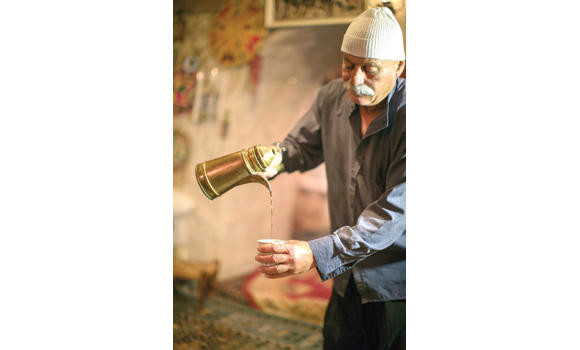
For real coffee lovers, it is always caffeine and chocolate


For real coffee lovers, it is always caffeine and chocolate
Latest updates


Recommended


© 2026 SAUDI RESEARCH & PUBLISHING COMPANY, All Rights Reserved And subject to Terms of Use Agreement.