RIYADH: Health Minister Tawfiq Al-Rabiah said financial requirements in the health care sector are expected to rise over the coming years given the increasing number of accidents, smoking and obesity rates in the Kingdom. He estimated the amount required will be about SR250 billion by 2030.
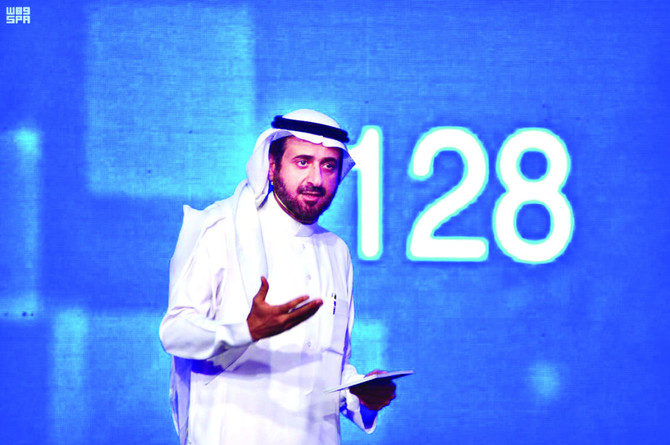
Al-Rabiah was delivering a speech at Princess Nourah bint Abdulrahman University on Sunday as part of the ministry’s initiative “The Health Care Model,” which is the first of over 40 initiatives under Saudi reform plans.
He said car accidents result in deaths, injuries and disabilities of thousands of people; obesity rates are increasing due to lack of exercise; and smoking rates have increased particularly among the youth. These factors will all see health care financial requirements rise every year.
The minister said the most important element in health care transformation will be to institutionalize the sector, and reorganize its funding methods so it does not depend on budgets but on the standard of “payment for service,” in order to improve service efficiency.
The ministry currently manages 279 hospitals with the capacity of over 42,000 beds. These hospitals receive more than 16 million patients in clinics annually, and over 18 million ill people and 21 million injured in emergency rooms.
Al-Rabiah said the health care model was designed with the participation of relevant parties from all over the Kingdom. This model will reconstruct the structure of the primary health care sector, and support it with tools and initiatives that will enable it to be effective.
“This model projects the future and preserves the health of the healthy and treats the ill,” Al-Rabiah said, adding that technology will be an essential element of that new model that will focus greatly on prevention through awareness programs and the dissemination of health information.
He said public health insurance “will be implemented. But for it to exist, we need a health care system that is well-founded with prepared services, service providers, administrative systems, a funding system and linked elements.”
He said other countries tried to implement health insurance without paying attention to these factors and failed, and are still failing to create a good health care system.


![]()
Saudi health care sector ‘to require SR250bn by 2030’
Saudi health care sector ‘to require SR250bn by 2030’
Latest updates


Recommended


© 2026 SAUDI RESEARCH & PUBLISHING COMPANY, All Rights Reserved And subject to Terms of Use Agreement.