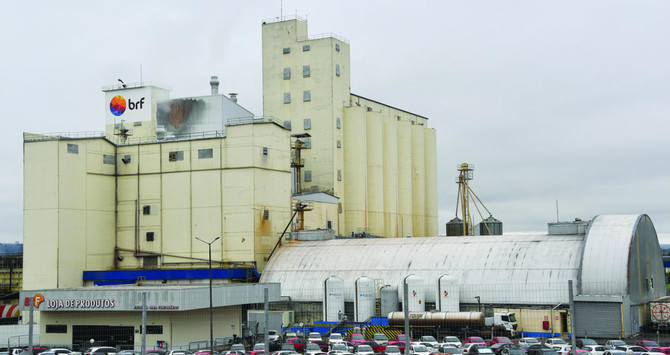
RIO DE JANEIRO: Police detained an executive of BRF SA on Saturday, as the meat company and rival JBS SA took out full-page advertisements to burnish their image after raids to investigate alleged bribes paid to conceal unsanitary conditions in Brazil’s meatpacking facilities.
Roney Nogueira, a government relations executive with BRF, turned himself into police for questioning at Guarulhos airport in Sao Paulo, according to a BRF spokesman. The company, along with JBS, is part of a massive meatpacking industry that in recent years made Brazil one of the world’s top exporters of meat.
Police sought Nogueira, who was returning to Brazil from South Africa, because he allegedly discussed bribing health inspectors, including one who helped prevent the closure of a plant in the state of Goias, according to court documents. Police said Friday’s raids were prompted by evidence that some meatpackers had paid inspectors and politicians to overlook the processing of rotten meat and exports with fraudulent documentation and even traces of salmonella.
Highlighting the importance to Brazil of agriculture, one of the few vibrant sectors in an economy still struggling from two years of recession, President Michel Temer was scheduled to meet with meat industry executives on Sunday, a government spokeswoman said. On Saturday, JBS and BRF launched a public relations offensive to deflect a crisis that threatens an industry with $12 billion in annual exports
“Quality is the foremost priority of JBS and its brands,” read an advertisement by JBS, the world’s largest meat producer, in publications that included the major dailies of Sao Paulo and Rio de Janeiro.
In an email, a JBS spokeswoman said the advertisements, which also include radio and television spots, would run across 27 different media outlets through Monday. The company did not respond to a request about the cost of the campaign.
BRF, for its part, ran ads addressing “the millions of consumers whose confidence we have earned,” vowing to adhere to the principles of “truth, respect, quality and transparency.”
Officials at BRF did not immediately respond to requests for details about its campaign. In their advertisements, and in communiqués following the raids, both companies denied systematic fraud or abuse within their operations and condemned any wrongdoing that may be uncovered by the probe.


![]()
Brazil detains officials in rotten meat probe
Brazil detains officials in rotten meat probe
Latest updates


Recommended


© 2026 SAUDI RESEARCH & PUBLISHING COMPANY, All Rights Reserved And subject to Terms of Use Agreement.