JEDDAH: Disney will release an Arabic edition of its latest animated musical fantasy film “Moana” that will feature dialogues in the Egyptian dialect.
Arab pop singer Carmen Soliman will sing songs for princess Moana in the movie while Luma Sabri will voice the character’s dialogues. Actor Abdullah Saad will dub for the legendary character Maui.
Soliman won the first season of Arab Idol in 2012, winning a recording contract with Platinum Records. After grueling rounds of televised eliminations, and critical evaluations by celebrity judges Ragheb Alameh, Nancy Ajram, Ahlam and Egyptian music producer Hassan El Chefai, Soliman prevailed against all other contestants to become the first winner.
Her first single, “Kalam Kalam” was released on March 4, 2013 jumping to No. 1 on the Egyptian charts, and her first album was released in January 2014. Soliman followed with numerous hit singles, including “Akhbari” and “Azama Ala Azama.”
Disney’s move is the first response to Egyptian actor Mohammad Hunaidi’s recently launched campaign “Disney in Egyptian.”
Disney recently announced that Aladdin, a Middle Eastern folk tale film will be turned into a live-action feature film with a full Middle Eastern cast.
The 1992 film was set in the fictional Arabian sultanate of Agrabah, loosely based on Baghdad, Iraq.


![]()
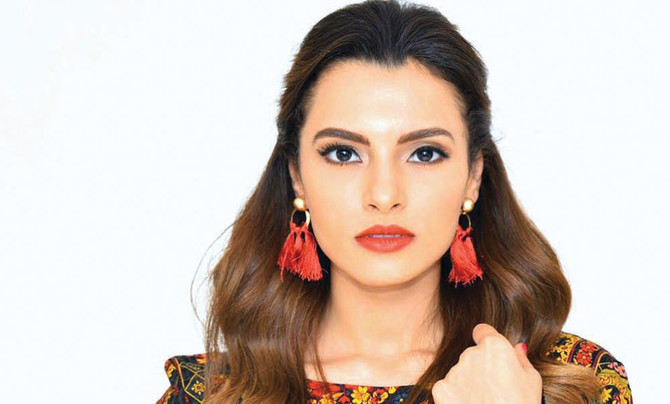
Carmen Soliman to sing for Disney’s princess Moana
Carmen Soliman to sing for Disney’s princess Moana
Latest updates


© 2026 SAUDI RESEARCH & PUBLISHING COMPANY, All Rights Reserved And subject to Terms of Use Agreement.