Saudi Arabia to open 3 Arabic-language institutes in Indonesia

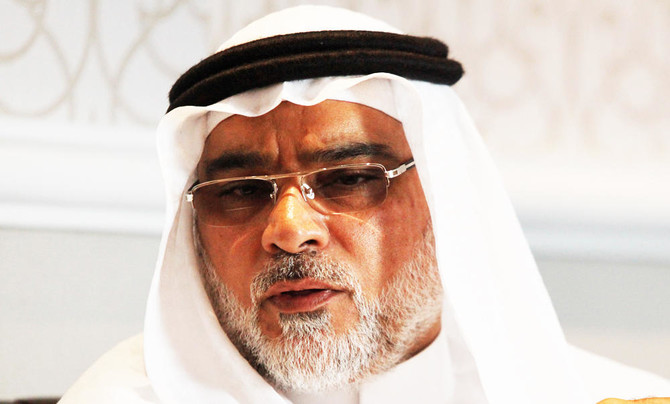
Saudi Arabia's ambassador to Indonesia Osama Mohammad Abdullah Alshuaibi. (Reuters)
Updated 02 March 2017
Follow

Saudi Arabia to open 3 Arabic-language institutes in Indonesia

JEDDAH: Saudi Arabia is planning to establish Arabic-language institutions in the three major Indonesian cities of Makassar, Medan and Surabaya, said Saudi Ambassador Osama Mohammed Abdullah Al-Shuaibi.
The envoy said the goal is to help Indonesians improve their Arabic-language skills, and the institutions would have no radical influences.
“They will only deliver Arabic-language instruction. We will not allow any party to make use of the institutions for other purposes or interests,” he said on Tuesday.
“There is already the Islamic and Arabic College of Indonesia in Jakarta, which is a branch of the Imam Muhammad bin Saud Islamic University in Riyadh,” the envoy told Arab News. “This branch includes a two-year Arabic-language course first, then the student can get a bachelor degree in Islamic studies.”
An Arabic-language institution was recently opened on Sumatra island. The three forthcoming institutions are on Sulawesi island in Makassar city, on Java island in Surabaya city, and on Sumatra island in Medan city. “The three institutions will be opened in the coming two or three weeks, since we got King Salman’s approval,” Al-Shuaibi said, adding that they should have been opened at the start of the second semester, but were delayed due to technical issues.
King Salman arrived in Indonesia yesterday with a 1,500-member delegation.


Jeddah students get closer look at electric motorsport

Updated 24 January 2026
Follow

Jeddah students get closer look at electric motorsport

  • A PIF-linked initiative highlights technical and engineering careers behind electric racing events

JEDDAH: Students from local and international schools in Jeddah were introduced to STEM-related career pathways in electric motorsport this week, as part of an education program linked to the UIM E1 World Championship held on the Red Sea.

The sessions formed part of Driving Force Presented by the Public Investment Fund, an initiative run by Formula E and its electric racing series partners, to familiarize students aged eight to 18 with science, technology, engineering and mathematics through electric racing and sustainability-focused industries.

The sessions for students formed part of Driving Force Presented by the Public Investment Fund, an initiative run by Formula E and its electric racing series partners. (Supplied)

The programme took place alongside the 2026 E1 Jeddah GP and included workshops, school visits and trackside access designed to show how engineering, data, broadcast technology and event operations function within professional motorsport.

According to organisers, the initiative reached more than 60,000 students globally in 2025, with further expansion planned this year. 

HIGHLIGHTS

• The program took place alongside the 2026 E1 Jeddah GP and included workshops, school visits and trackside access.

• Students learned about E1 races and their technical and environmental dimensions and discussed the engineering and marine aspects of electric boats.

• According to organisers, the initiative reached more than 60,000 students globally in 2025, with further expansion planned this year. 

John Williams, managing director at E1, told Arab News: “The PIF is absolutely vital to everything we do here at the E1. They were crucial initial investment partner since the start of the championship and they continue to support us in a number of ways and more specifically around the Driving Force program.”

The sessions for students formed part of Driving Force Presented by the Public Investment Fund, an initiative run by Formula E and its electric racing series partners. (Supplied)

Elaborating more on the program, he said: “What we are doing is presenting and showing these students the available careers of science, technology, engineering and mathematics, as well as careers in sports, not only pilots but also engineers and mechanics.”

Williams added that the main key to the program was bringing a new generation to the mechanism of sport.

“We are introducing to these exciting new technologies around the race but it could be our technology on the boat or our broadcast products, as well as how to manage the event its self. There are a range of opportunities to show it to the children in addition to enjoying the excitement of the race and meeting the pilots.”

The program’s Jeddah activities began at King Abdulaziz University’s faculty of maritime studies, where students took part in a hands-on workshop focused on STEM careers in the motorsport and sustainability areas conducted by technology experts and famous water pilots such as Dani Clos, Emma Kimilainen and Patricia Pita.

Students learned about E1 races and their technical and environmental dimensions and discussed the engineering and marine aspects of electric boats.

They also enjoyed exclusive behind-the-scenes access at the E1 Jeddah GP, pilot meet-and-greets, and front-row seats to watch the RaceBird boats in action.