- Ministry of Information provincial chief says Taiz continues to resist as famine deepens, hospitals, essential services near collapse
- Houthis have replaced local officials with loyalists, imposed ideology on residents, Mohammed Al-Masani says
AL-MUKALLA: More than 1.3 million residents of the Yemeni city of Taiz are at serious risk of famine, severe water shortages and a major environmental disaster as the Iran-backed Houthis tighten their siege, a provincial official has warned.
Mohammed Al-Masani, director of the Taiz provincial office of the Ministry of Information, told Arab News from the besieged city that stocks of essential goods, including food and lifesaving medicines, were rapidly dwindling, while prices of the remaining supplies continued to rise as fighting intensified on the city’s outskirts.
“Taiz has been completely besieged,” Al-Masani said. “The city is in a state of famine and a highly critical situation. People are facing grave dangers. Food supplies are running out or have already run out, with only minimal emergency provisions remaining.”
The Houthis launched a major military offensive in early September against government-held districts in the western provinces of Hodeidah and Taiz, triggering a new and deadlier phase of Yemen’s conflict. The militia initially seized six districts, including the Red Sea port city of Mokha, a base for the government’s National Resistance Forces, and claimed control of the strategic Bab Al-Mandab Strait.
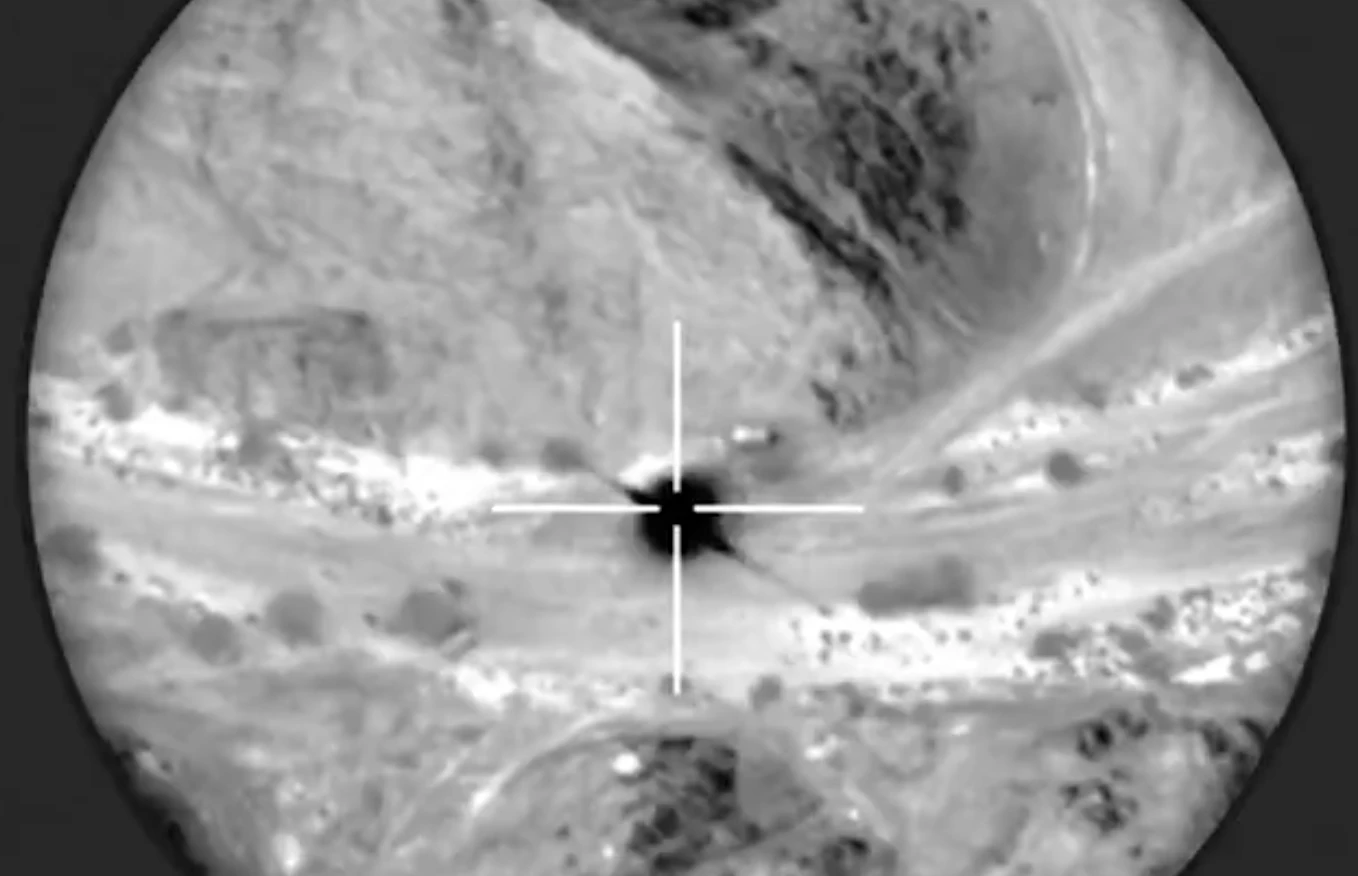
On Oct. 5, the internationally recognized Yemeni government, backed by air support from the Coalition to Restore Legitimacy in Yemen, launched a counteroffensive dubbed Operation Dawn of Yemen, aimed not only at recapturing territory lost along the Red Sea coast but also at driving the Houthis out of other areas under their control.
The Houthis subsequently seized a vital road linking Taiz to other cities, including Aden, the seat of government, effectively tightening their more than decade-long siege of Taiz into a complete blockade.
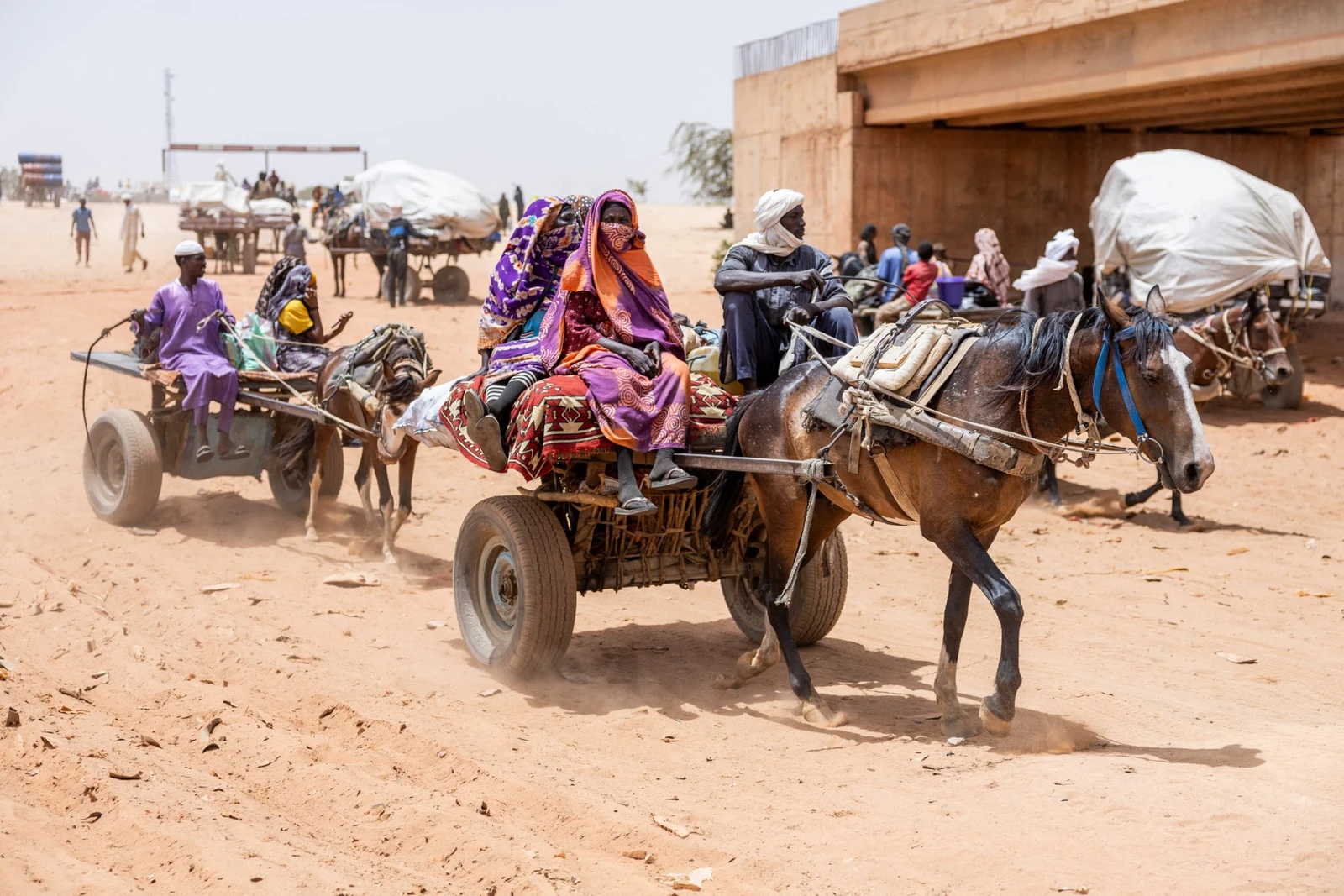
Al-Masani said that 84 civilians had been killed and 341 wounded by Houthi shelling and sniper fire between late August and Nov. 4, while nearly 40,000 families had been displaced by the fighting and sought refuge in Taiz.
Of Taiz province’s 23 districts, the Yemeni government retains full control of the three that make up Taiz city and is battling the Houthis in three others, while the militia controls 17.
“The number of displaced people who are already in the city is 33,000 families and 6,400 more families have lately settled down in the city,” Al-Masani said.
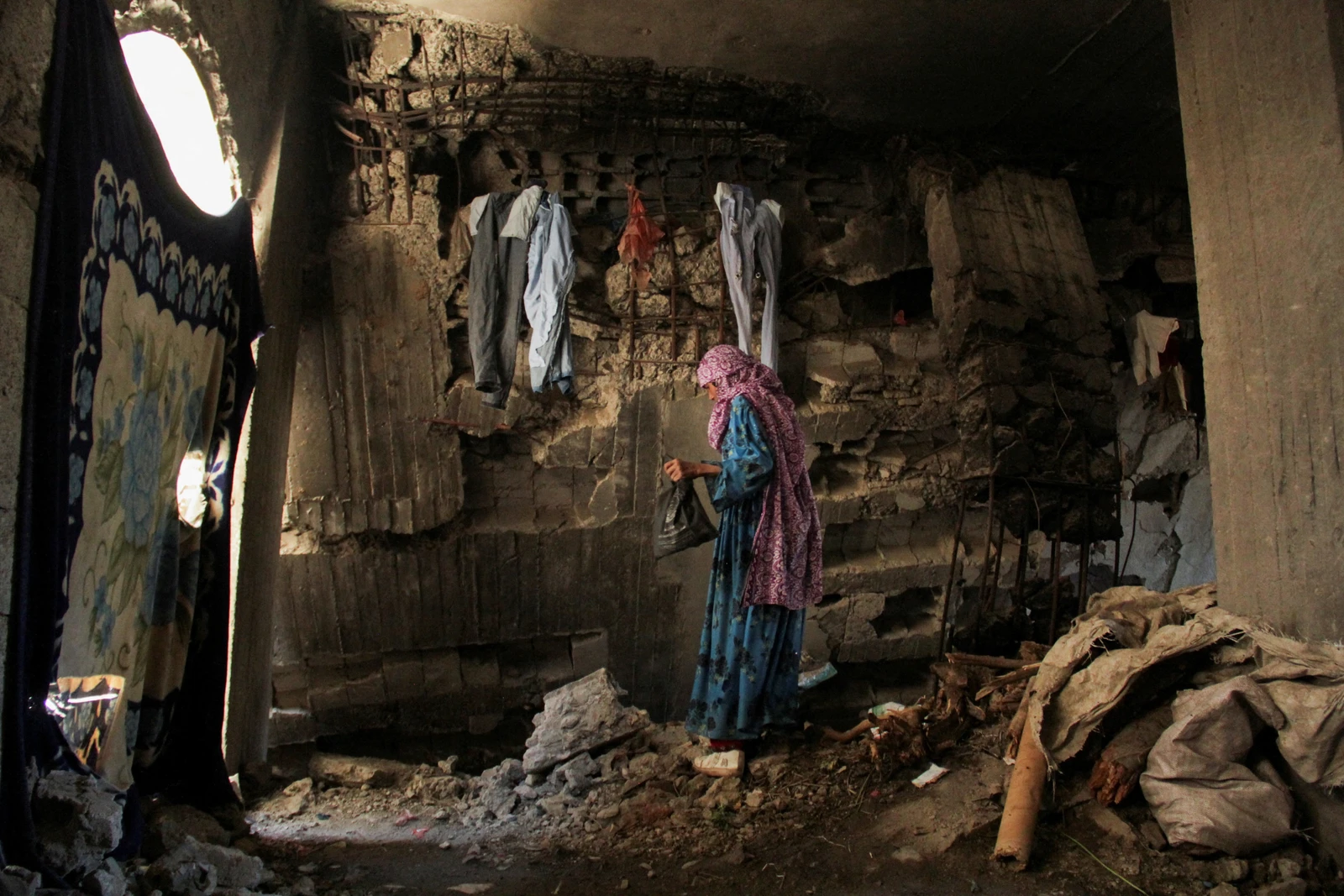
With international humanitarian organizations largely absent and aid deliveries restricted, displaced families are struggling to find shelter. Some are staying with relatives in overcrowded homes, while others have sought refuge in already crowded tents, unfinished buildings or out in the open.
“These people live in a more difficult situation, as there are no camps and people live in unfinished structural buildings in a very difficult situation. International organizations were unable to reach them and care for them due to the siege,” Al-Masani said.
According to the World Health Organization and the UN humanitarian office, hospitals in Taiz are struggling to maintain lifesaving services amid acute shortages of fuel, oxygen, medicines and medical supplies. The Houthis have denied imposing a siege but aid agencies say closed roads and restricted access have prevented essential supplies from reaching the city.
Al-Masani said that the worsening shortages had put thousands of patients at risk.
“Hospitals are in a critical state and many services have ceased. The lack of diesel in hospitals threatens dialysis centers and nurseries. The available stock of emergency medicines and medical supplies decreased to 30 percent, fuel to 5 percent and oxygen to 2 percent, in addition to 15 ambulances and 22 intensive care beds being looted or damaged,” he said.
Residents of Taiz are also facing severe water shortages after the Houthis disrupted supplies of drinking water from areas under their control. The scarcity has forced some residents to rely on unsafe sources, increasing the risk of waterborne diseases.
“Only 8 percent of Taiz’s water needs are being met and most of the city’s wells are unfit for consumption, a situation that increases the risk of disease due to the use of unclean water,” Al-Masani said.
“Sources of potable water are located in the Al-Dhabab area, which is under the control of militias that prevent water tankers from entering the city.”
At least 500 tonnes of rubbish are being dumped daily into the streets and waterways of Taiz, where waste has been piling up since the Houthis imposed a complete siege on the city. Fuel shortages have disrupted waste collection, while the militia has blocked access to a landfill in an area under its control.
The mounting piles of rubbish have raised serious public health concerns, with hospitals reporting more than 5,000 cases of infectious diseases, respiratory illnesses and fevers, including malaria, dengue fever and acute watery diarrhea.
“The accumulation of rubbish in the city poses a major threat to civilians, with the volume of waste reaching 500 to 600 tonnes daily. We are facing an environmental disaster,” Al-Masani said.
Since launching their military offensive in Taiz province in September, the Houthis had looted more than 3,500 homes, damaged or destroyed 676, abducted more than 2,000 people and converted 18 schools into military positions and command centers, he said.
Regarding the situation in areas of Taiz recently captured by the Houthis, Al-Masani said that local authorities had received reports that the militia had dismissed local officials and replaced them with loyalists, seized control of mosques and imposed its ideology on residents.
Many residents were staying indoors and venturing out only for essential errands, he said.
“In areas under Houthi control, citizens face various restrictions. There are reports of forced recruitment, interference in schools and the replacement of local authorities with individuals loyal to the Houthi militia.
“The Houthis have taken control of mosques, imposing their version of the Shia faith and their slogans. There is significant resistance from the local population, people now avoid visiting markets except when absolutely necessary. Many have chosen to stay in their homes and have stopped sending their children to schools or universities.”
Despite mounting military pressure, Al-Masani said that the Houthi offensive toward Taiz city had stalled, with the militia failing to make further territorial gains in the face of stiff resistance from government troops and allied local fighters. Thousands of Houthi fighters were reported to have been killed or wounded in clashes on the outskirts of the city, where fighting continues.
Al-Masani attributed the city’s resistance to close coordination between residents, government forces and allied local fighters, public rejection and heavy air support from the the Coalition to Restore Legitimacy in Yemen.
“In recent days attacks by the Houthi militia have seen a significant decline, a result of the resistance put up by the Popular Resistance and the armed forces. Everyone is defending Taiz as one. The Popular Resistance and the armed forces are advancing in certain areas to protect the city,” he said.
“We value the Saudi air support, which has helped Taiz hold its ground and repel the Houthi militias whenever the city has come under intense attack.”
The official also praised Saudi Arabia for its longstanding humanitarian, development and military assistance to Taiz, both during the current escalation and throughout the Houthi siege, which began in early 2015.
“The support provided to Taiz by our sister nation, the Kingdom of Saudi Arabia, has never ceased since the siege began 11 years ago,” he said.
“It is Saudi Arabia that paves the roads and establishes schools and colleges. It is the Kingdom that provides aid to Taiz across all sectors, including water, healthcare and education. The contributions have been nothing short of exemplary and benevolent.”
Despite suffering thousands of casualties and enduring more than a decade of siege and hardship, Al-Masani said that Taiz would continue resisting the Houthis until they were defeated.
“Despite the human toll, Taiz continues to resist. (The city) represents a military, civic and cultural project that stands in opposition to the Houthi militia, rejecting both its ideology and its diabolical conduct. Taiz will not surrender, nor will it accept entering into any settlement until not only Taiz but also the republic and the capital, Sanaa, have been reclaimed.”