- Oil prices recede as investors weigh whether Trump’s electoral setback could accelerate efforts to end Iran war
- Finance Adviser Khurram Schehzad says Pakistan intends to increase petroleum reserves from around 30 to 50 days
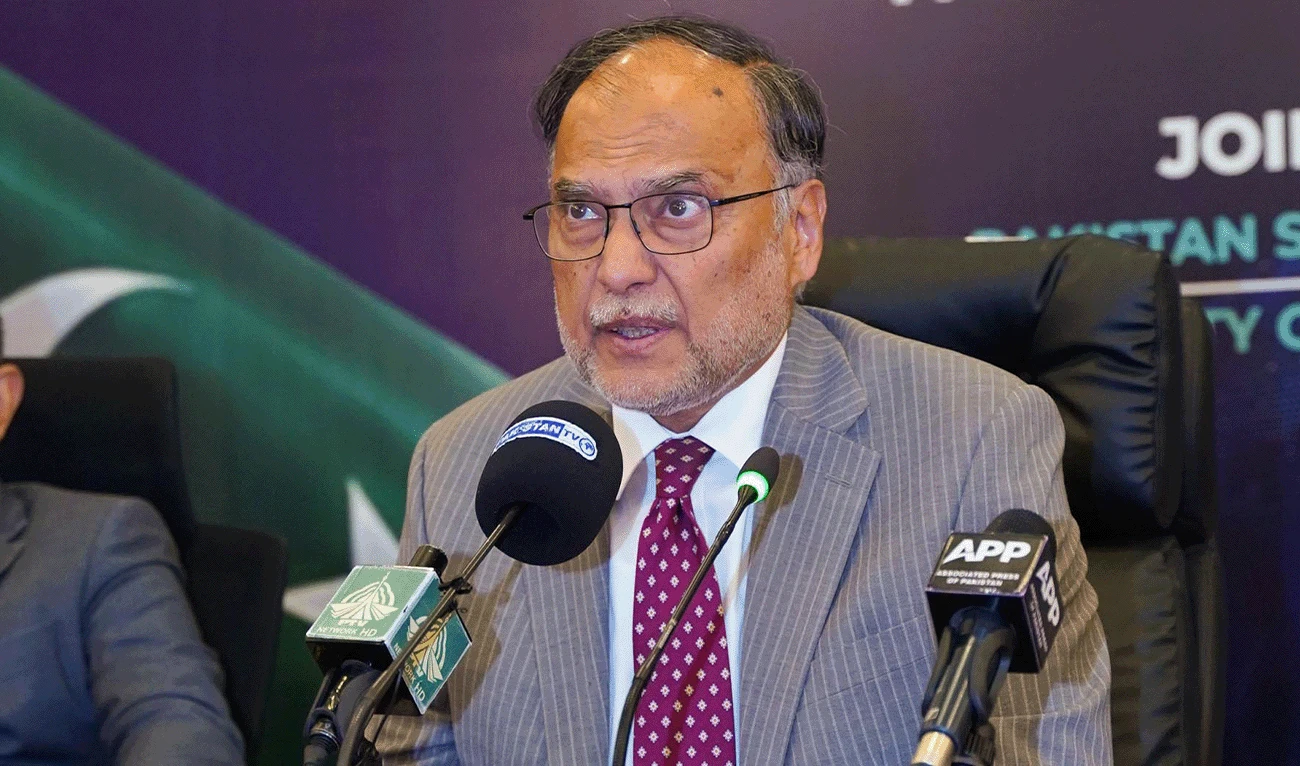
ISLAMABAD: Pakistan expects domestic fuel prices to decline further in the coming days as the effects of easing international oil prices begin filtering through to local markets, Finance Adviser Khurram Schehzad told Arab News this week, stressing that Islamabad was building strategic petroleum reserves to protect the country against potential energy disruptions in the future.
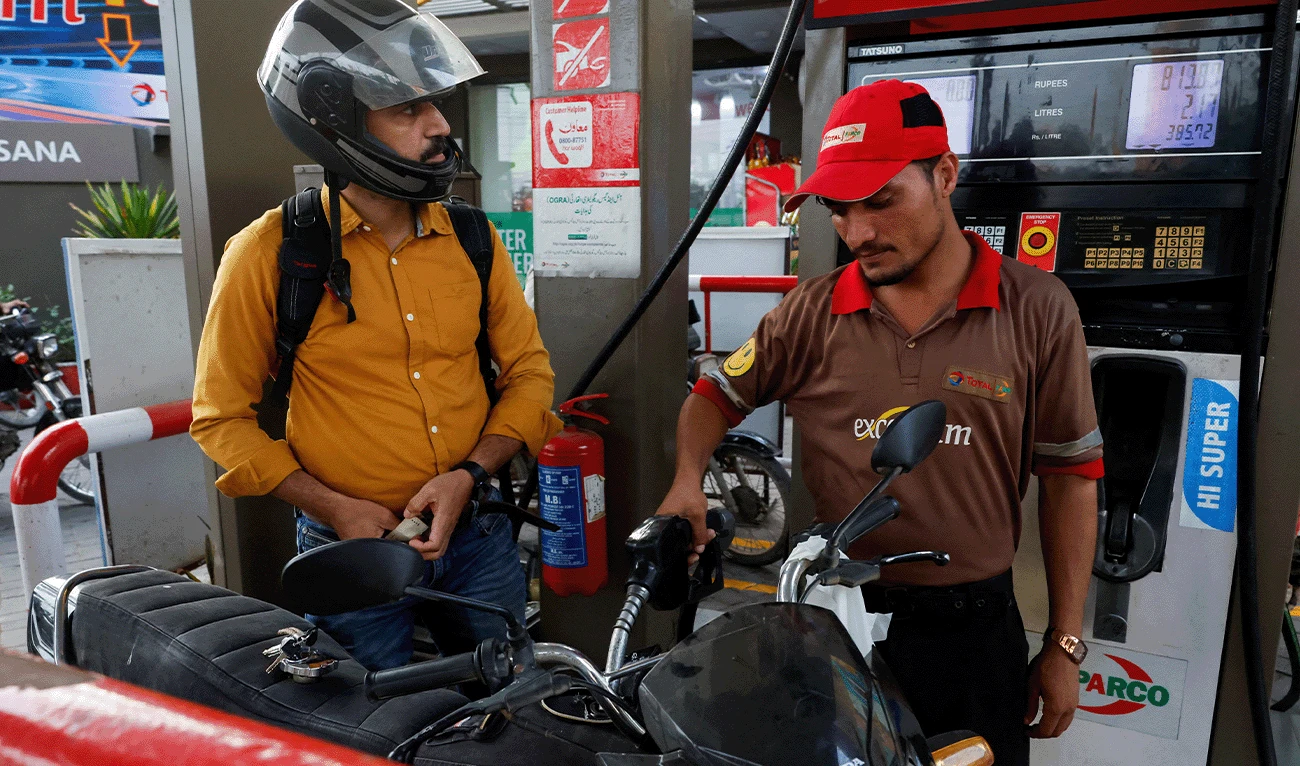
International oil prices have retreated from recent highs of around $115-116 per barrel to below $100, offering relief to countries such as Pakistan who import most of their fuel supplies from the Middle East. Pakistan hiked the prices of petroleum products multiple times this year since the US and Israel launched joint strikes against Iran in February. The attacks caused tensions to surge, with Iran retaliating against US military interests and civilian infrastructure in the Gulf region. The retaliation disrupted fuel supplies, triggered the closure of maritime trade route Strait of Hormuz, causing global oil prices to surge.
However, Brent crude futures dropped 8.7 percent to $94.62 a barrel, while US West Texas Intermediate crude fell 8.3 percent to $88.12 on Thursday, according to Reuters, as investors weighed whether the electoral setback for President Donald Trump’s Republican Party could accelerate diplomatic efforts to end the Middle East conflict.
Pakistan reduced petrol prices by Rs9.41 per liter and high-speed diesel by Rs5.56 per liter on Thursday. The reductions follow an earlier cut announced on Wednesday, when authorities lowered petrol prices by Rs7.06 and diesel by Rs3.71 per liter.
“The biggest news is that oil prices have come down,” Schehzad told Arab News in an interview on Thursday. “As a result, you will also see a decline in local prices.”
Schehzad, however, said the decline in global oil prices will take time to reflect in domestic rates, given Pakistan’s pricing mechanism uses a rolling weekly average.
“It will take around a week, and the prices have started coming down,” he said.
The decline could help Islamabad contain inflation, which rose to 9.6 percent in October. The State Bank of Pakistan last week raised its policy rate by 50 basis points to 12 percent, citing a worsening inflation outlook amid elevated energy prices linked to the Middle East conflict. The central bank projects 5-7 percent inflation for this fiscal year by June.
Despite the recent energy disruptions, Pakistan did not experience fuel shortages, queues at petrol stations or law-and-order problems, Schehzad said, attributing the outcome partly to the rapid adoption of solar energy by the masses and support from regional partners during the Iran war crisis.
“Pakistan’s strong strategic relationships with Middle Eastern countries, particularly Saudi Arabia, supported us considerably,” the official said.
Schehzad explained that Saudi Arabia, the UAE, Qatar, Kuwait and other energy producers had prioritized Pakistan when it came to supplying petroleum products, helping Islamabad receive crude oil on time.
The government is also developing longer-term safeguards against future disruptions. Schehzad said Pakistan had approved an oil-bonded storage facility where crude oil and petroleum products supplied by Saudi Arabia and other countries could be stored, with the option of re-exporting them.
The facility would be tax-exempt, while Pakistan would retain the right of first access to the stored supplies.
“It means that regardless of what happens in the region, whether conflict or other disruptions, we will have access to crude oil and petroleum products,” he said.
STRATEGIC RESERVES
Alongside the bonded storage facility, Pakistan is establishing strategic petroleum reserves for the first time, Schehzad said. He added that companies currently maintain commercial stocks of petrol, diesel and crude oil sufficient for around 20 to 22 days.
“The government intends to increase total reserves to cover 30, 35 or even 40 days of consumption,” the official said. “If our existing reserves cover 20, 25 or 30 days, we want to increase that to 40 or 50 days.”
The adviser also outlined plans to strengthen Pakistan’s foreign exchange position while limiting external debt from growing. He said the government’s medium-term debt strategy focused on refinancing and replacing existing obligations rather than accumulating additional borrowing.
“We do not intend to increase our external debt. Our strategy is to keep external debt within manageable limits,” he said.
Schehzad said Pakistan had added about $45 billion to its external debt between 2015 and 2022, equivalent to around $6.5 billion annually. From 2022 until June 2026, the increase was approximately $4 billion, or about $1 billion a year, he said.
Over the same period, the State Bank’s foreign exchange reserves had recovered from below $3 billion in 2022-23 to around $21.5 billion, nearly seven times their previous level.
“This demonstrates the quality of the reserves we have built,” he said. “They have not been accumulated through borrowing.”
The government plans to increase reserves further to $23 billion and eventually $25 billion, Schehzad said, without specifying a timeline. Import cover has recovered to more than three months from less than two weeks in 2023, when Pakistan was on the brink of a sovereign default.
“We are moving toward four months of import cover this year,” he said, referring to the target for the current fiscal year ending in June. He described three months as the minimum international benchmark and six months as a more “comfortable” level.