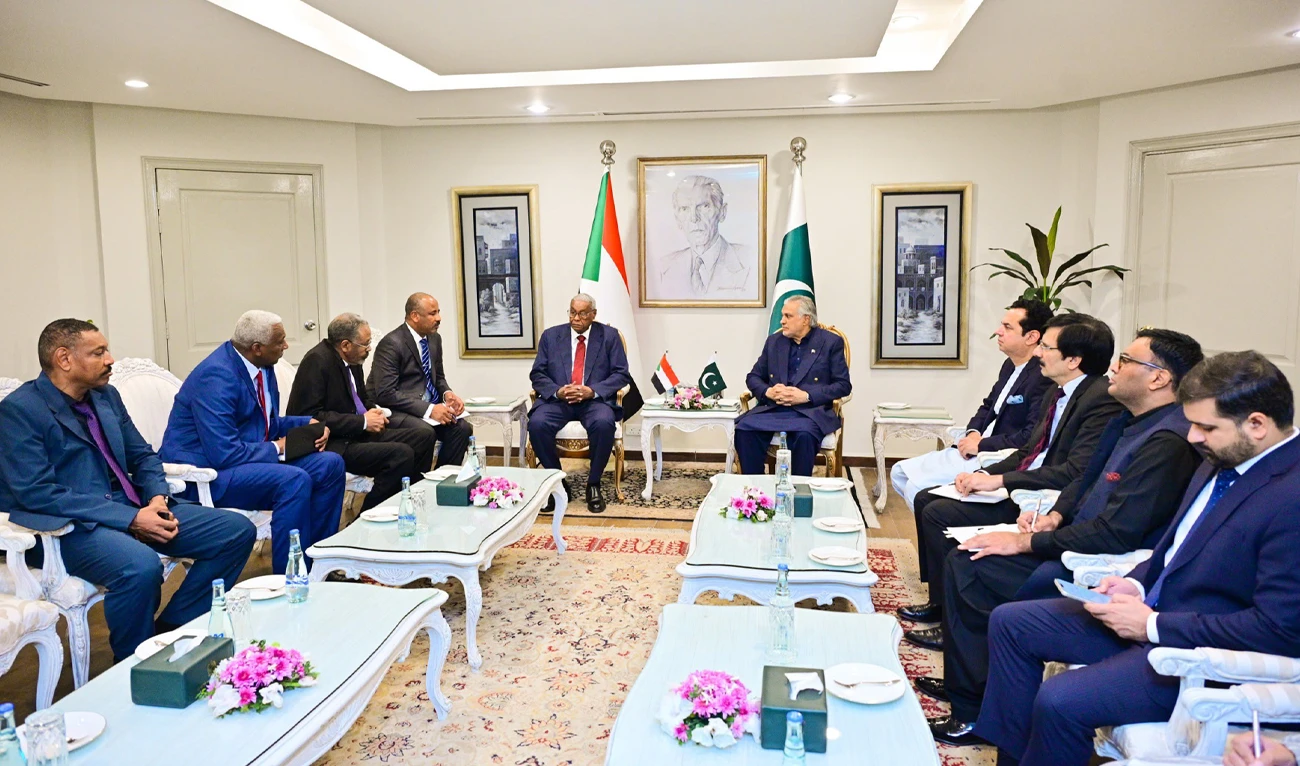
- Islamabad vows to continue mediation efforts with regional partners despite challenges to peace process
- Foreign Office says Pakistan is reviewing US proposal to deport around 150 Afghans through its territory
ISLAMABAD: Pakistan on Friday identified Israel as a potential spoiler in efforts to secure a lasting peace between the United States and Iran, accusing it of pursuing “unwarranted expansionist attempts” that have fueled instability across the Middle East.
Islamabad, alongside Qatar, helped broker a June agreement that halted the war between Washington and Tehran, which erupted in February, and laid the groundwork for negotiations on a broader settlement. But the peace process has remained fragile, with disputes over implementation and renewed regional tensions threatening diplomatic progress.
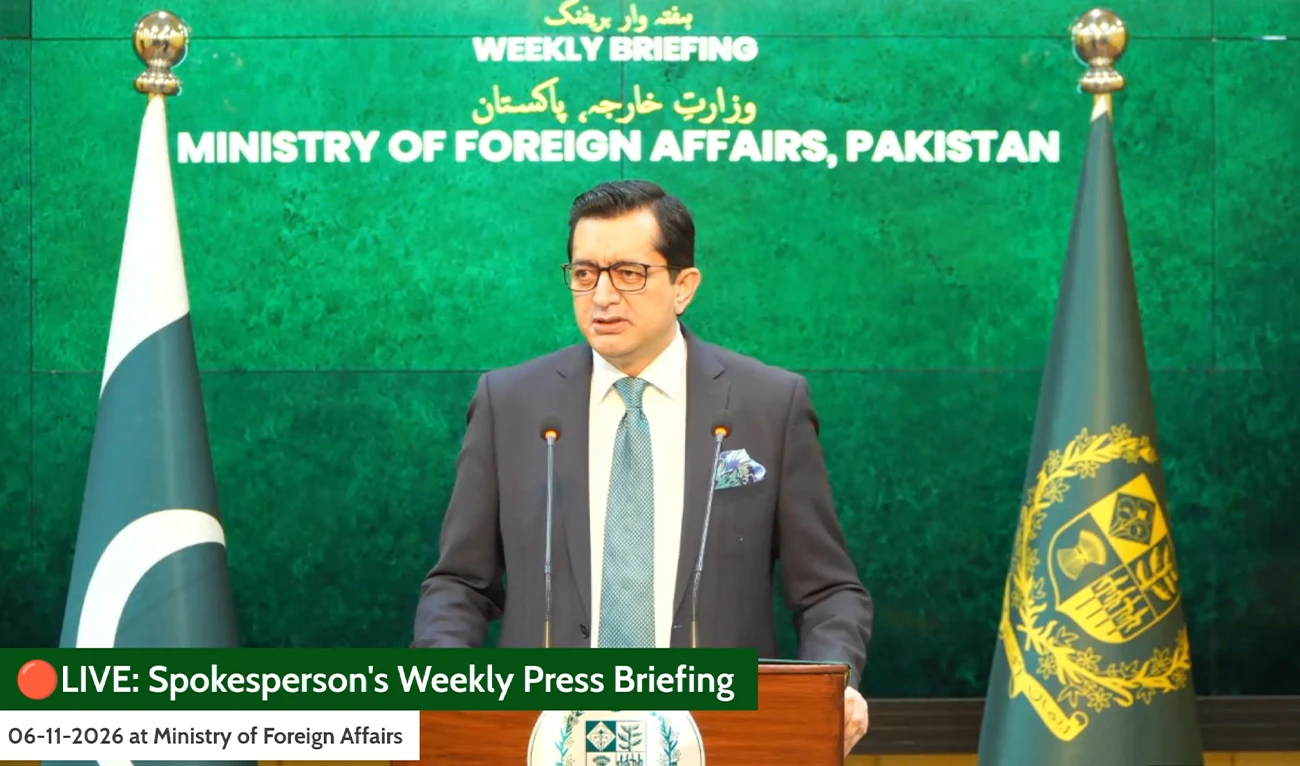
Asked at his weekly press briefing about countries that could undermine the peace process, Foreign Office Spokesperson Sajjad Haider Khan singled out Israel.
“There could be more, but I’m sure it’s not in the interest of Israel to be very fair, I mean, peace in the region,” he said.
“One reason that the entire region is today facing all these crisis situations is because of these unwarranted expansionist attempts by Israel, not only toward Iran, but also in its immediate neighborhood, may it be Palestine, Syria, Lebanon and the other countries in the neighborhood,” he added.
The Islamabad Memorandum of Understanding, signed by Washington and Tehran in June, committed the two sides and their allies to ending military operations, including in Lebanon, and set out a framework for negotiations on sanctions relief, Iran’s nuclear program and the reopening of the Strait of Hormuz, a vital route for global energy supplies.
Khan said Pakistan would continue its diplomatic efforts, with Saudi Arabia, Qatar and other regional countries also playing an active role. He added that Islamabad supported initiatives by any country capable of bringing Washington and Tehran closer to a peaceful settlement.
Asked whether the Democrats’ victory in Tuesday’s US midterm elections, which cost President Donald Trump’s Republican Party control of both chambers of Congress, could affect prospects for negotiations, Khan said Pakistan’s overriding concern remained regional peace and stability.
“The fact that we were able to bring the two countries, which had not been even talking to each other for the past 47 years, in the same room and to discuss, which culminated into the successful signing of Islamabad MoU, is a testimony of the fact that shows how serious Pakistan has been toward building peace,” he said, referring to the US-Iran talks hosted by Pakistan in April.
Khan said a lasting settlement could only be achieved through political engagement rather than military confrontation.
“Pakistan will continue its efforts. It’s not only in favor of Pakistan, but the entire region and countries beyond our region as well,” he said.
On the broader implications of the midterms for Pakistan-US relations, Khan said Islamabad had maintained ties with successive American administrations regardless of which party held power. Washington remained an important partner in trade, investment, security and counterterrorism, he added.
Separately, Khan confirmed that the liquefied natural gas (LNG) carrier Al Mayeda, registered in the Marshall Islands and operated by QatarEnergy, was struck by projectiles while sailing through international waters in the Arabian Gulf on Oct. 30.
The vessel was carrying LNG to Karachi, highlighting the vulnerability of Pakistan’s energy supplies to renewed maritime insecurity in the Gulf.
Pakistan relies heavily on LNG imports from Qatar, making disruptions to shipping routes a concern for its energy security.
“The concerned Pakistani authorities are coordinating with the relevant parties to establish further details of the incident.”
Khan said the vessel had 25 multinational crew members, including Pakistanis. A small fire broke out following the attack, but no one was injured and the ship safely returned to Qatar.
In another development, Khan said Islamabad was considering a US proposal to deport around 150 Afghan nationals to Pakistan for their onward repatriation to Afghanistan, a plan that has drawn objections from refugee advocates and concern from the Taliban authorities in Kabul.
The proposal has faced legal challenges in the United States, where a federal judge this week temporarily blocked the Trump administration from deporting detained Afghans to Pakistan or Afghanistan.
“The matter is under consideration as we speak, and all relevant aspects are being carefully examined in consultation with the concerned stakeholders,” Khan said. “So, we are hopeful that a mutually agreeable way forward will be reached.”
Asked whether Washington had formally approached Islamabad, he declined to elaborate beyond saying that the matter remained under consideration.
“Pakistan remains committed to maintaining close coordination with its allies and partners,” he said. “We will continue to act in accordance with our international obligations and established protocols.”
Afghanistan’s Taliban authorities have expressed serious concern over the proposed deportations, while US lawmakers and advocacy organizations have urged Washington to halt the removals, warning of potential threats to the safety of those returned.