- The government raised diesel prices by 40% and petrol prices by up to 28% on September 13, attributing these increases to higher international costs and a reduction in domestic refining capacity
DUBAI: Syria’s Energy Minister Mohammed Al-Bashir said on Thursday that “exceptional and complex circumstances” had forced the government to adjust fuel prices, explaining that he had discussed several possible solutions with President Ahmed Al-Sharaa.
Bashir’s comments came after protests erupted across parts of Syria over the government’s decision to raise fuel prices, with demonstrators blocking roads and calling for the increases to be reversed as the cost of living continues to rise.
The minister said the government was facing higher costs to secure fuel supplies and had been forced to rely more heavily on imports to meet domestic demand.
Bashir said he had discussed several options with Al-Sharaa to address fuel prices, without providing details of the proposed measures.
Syria produces around 102,000 barrels of oil per day, compared with domestic demand of about 325,000 barrels, leaving the country reliant on imports to cover the shortfall, according to figures previously provided by the minister.
The government raised diesel prices by 40 percent and petrol prices by up to 28 percent on Sept. 13, describing the increases as temporary. It has attributed the move to higher international costs for refined petroleum products and a two-month overhaul of the Baniyas Refinery, which has reduced domestic refining capacity and increased the need for imports.
The Baniyas refinery overhaul is expected to increase its capacity from around 80,000 barrels per day to 130,000 barrels once complete, according to the Energy Ministry.
The price increases triggered demonstrations in several parts of the country.
In the Aleppo countryside, protesters took to the streets in Azaz and Al-Bab, chanting against the hikes and blocking roads. Protesters also blocked the M5 international highway near Maarat Al-Numan in southern Idlib countryside, with footage of burning tires circulating online.
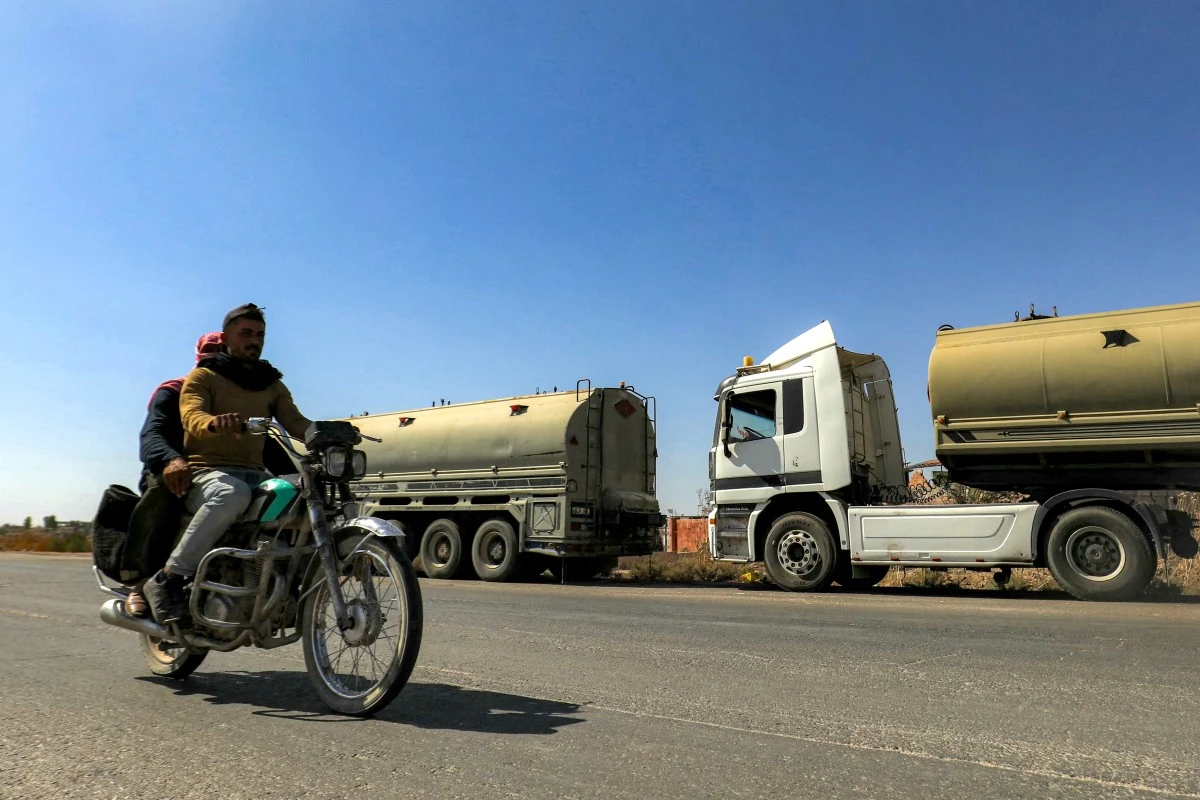
Demonstrations also spread to parts of Deir Ezzor, Hasakah and Raqqa, where protesters blocked roads used by oil tankers, according to reports.
Syria’s People’s Assembly was due to question Al-Bashir over the price increases on Thursday, but the session was postponed to Sept. 20 to give the ministry more time to prepare, according to Al Jazeera.
The Energy Ministry said fuel prices would continue to be reviewed in response to changes in international markets and procurement costs while the government worked to expand domestic refining and storage capacity.