- Women microfinance borrowers rose 47 percent to 2.7 million in FY25, central bank data shows
- Nearly 93 percent of loans to women entrepreneurs over 12 months were microfinance loans
KARACHI: Gulzar Naeem started with one chair.
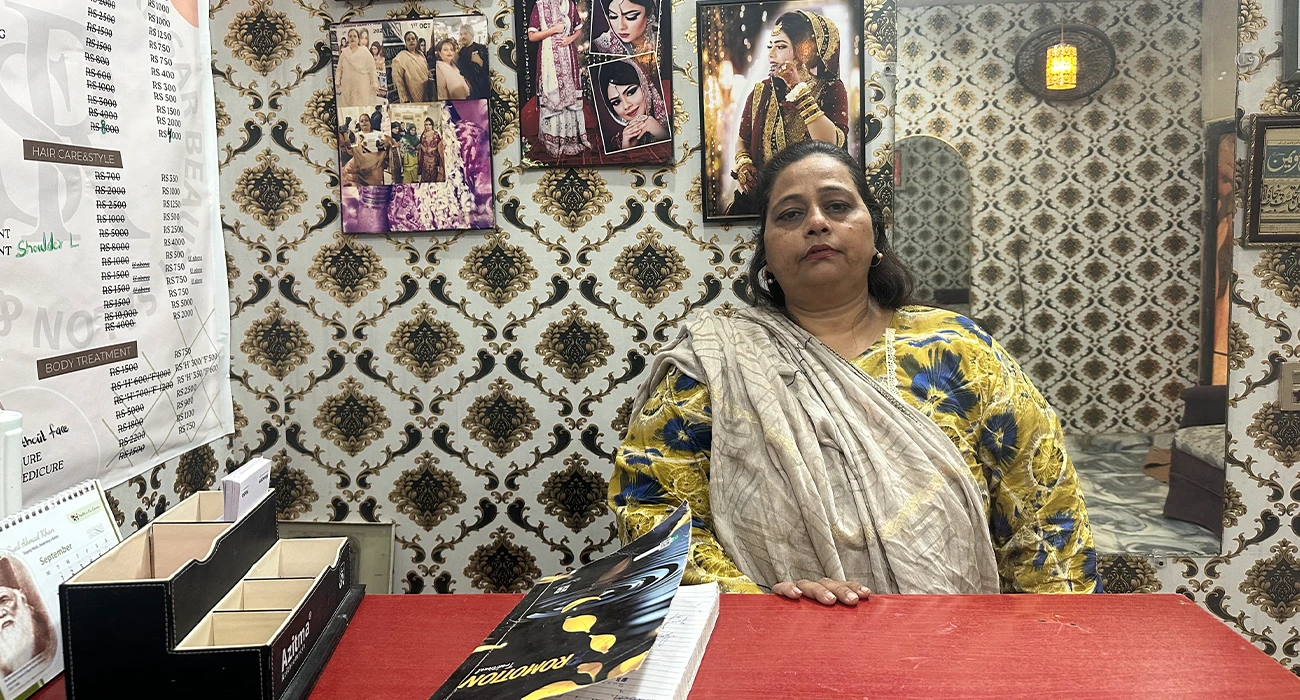
The 55-year-old widow and mother of three is among a growing number of Pakistani women using small loans to build businesses, with female microfinance borrowers rising 47 percent to 2.7 million in fiscal year 2024-25 from 1.8 million a year earlier, according to central bank data.
Naeem began her beauty business after her husband died 17 years ago. Her first loan from Dutch lender ASA Microfinance Bank Pakistan was Rs30,000 ($108), while she now borrows up to Rs200,000 ($721) to buy equipment for her parlor at Karachi’s Shamma Shopping Center.
“After my husband passed away, I started a business. I took a loan from the bank. I used to work with one chair. Today, I am sitting in the market,” Naeem told Arab News.
Her experience reflects a broader shift in women’s access to credit in Pakistan, though most female entrepreneurs remain concentrated at the smallest end of the lending market.
Of 974,000 loans disbursed to women entrepreneurs between November 2024 and October 2025, nearly 93 percent were microfinance loans, worth Rs113 billion ($408 million), State Bank of Pakistan Governor Jameel Ahmad said in December. At the upper end, just 611 women-led corporate and commercial enterprises accessed Rs58 billion ($209 million), representing only one percent of commercial bank loans disbursed during the period.
The wider microfinance industry had 13.3 million active borrowers and a gross loan portfolio of Rs858 billion ($3.1 billion) at the end of December 2025, according to the Pakistan Economic Survey 2025-26. The sector includes microfinance banks and non-bank microfinance companies and has more than 4,100 branches nationwide.
For Firdos Zehra, another Karachi entrepreneur, access to a small loan meant expanding beyond the tailoring work she had previously done alone from home.
“After taking that loan, the difference is that I was working at home alone,” Zehra told Arab News. “After that, when I put these machines here. So, 4-5 people are working under my supervision. They have made their livelihood.”
Zehra said she also gives sewing work to women who remain at home, allowing the business to generate income beyond those working directly in her small workshop.
“Then I am making ladies work at home,” she said. “So, ladies have benefited a little bit. And I am also benefiting from this loan.”
“THIS IS MY PLAN”
Both Naeem and Zehra borrow from ASA, a subsidiary of Amsterdam-headquartered ASA International Group PLC, which operates microfinance businesses across Asia and Africa.
ASA has around 820,000 borrowers in Pakistan, about 95 percent of them women, CEO Ahmed Naazer MinHajj told Arab News. Its loans range from around $100 to $500, average about $170 and are typically repaid over 12 months.
“Our current average ticket size is about $170 and the tenure is 12 months,” MinHajj said. “Our loan range ranges from about $100, $110 and goes up all the way to about $500.”
MinHajj said ASA’s Pakistan loan portfolio was growing by about 35-40 percent annually, with monthly disbursements of around Rs5 billion ($18 million), and that the lender accounted for roughly 30 percent of lending to women in the country. He expects its outstanding loan book, currently about $142 million (Rs39.4 billion), to reach around $170 million (Rs47.2 billion) by the end of 2026.
The bank’s portfolio at risk for loans overdue by more than 30 days, a common measure of loan quality in microfinance, stands at under 0.5 percent, according to MinHajj. ASA Pakistan’s website currently puts the figure at 0.4 percent.
The lender also secured a four-year, $10 million (Rs2.77 billion) loan from the International Finance Corporation in August to expand financing for women entrepreneurs and microbusinesses in Pakistan. IFC says only 27 percent of Pakistani adults have access to a bank account, while the gap between men and women in access to a formal account stands at more than 30 percentage points.
MinHajj said the IFC funding could initially support another 35,000-40,000 women borrowers and could be recycled through successive borrowers as loans were repaid over the facility’s four-year term.
“This facility will be rolled over a few times for new borrowers as well as existing borrowers,” he said. “So, multiplier effect is very high.”
ASA ultimately aims to increase its women borrower base in Pakistan from around 820,000 to more than two million over the next three to four years, MinHajj said.
That expansion would take place against persistent disparities in women’s participation in Pakistan’s formal economy. World Bank data shows women accounted for 12.8 percent of owners of newly registered limited-liability companies in Pakistan in 2022, the latest available country figure.
For Zehra, however, the immediate goal is to grow the tailoring business she has already built and eventually pass that opportunity on to her children.
“My plan is that I will increase it and my children run it with me along with their education. So that they have a business with education. This is my plan.”