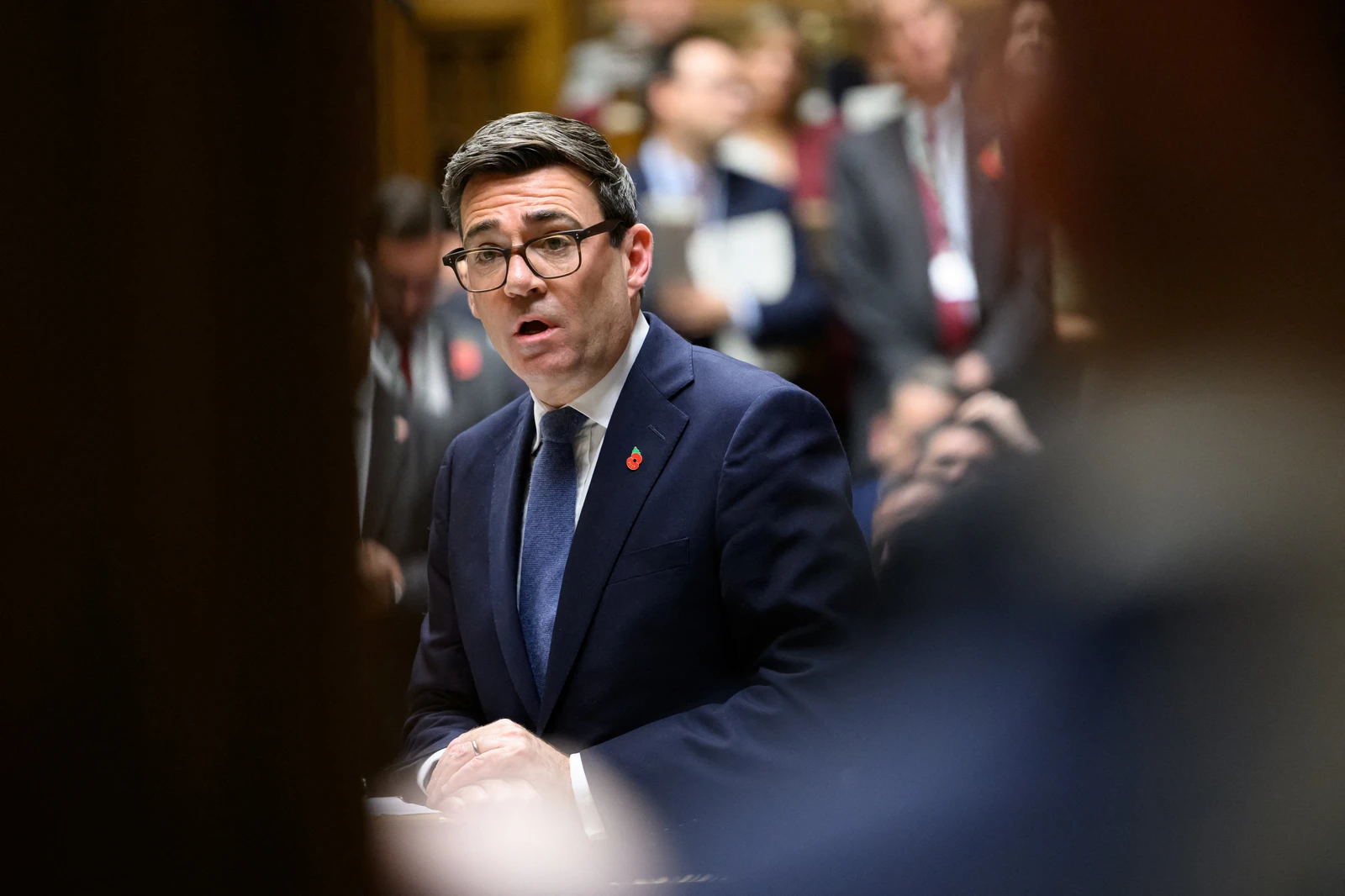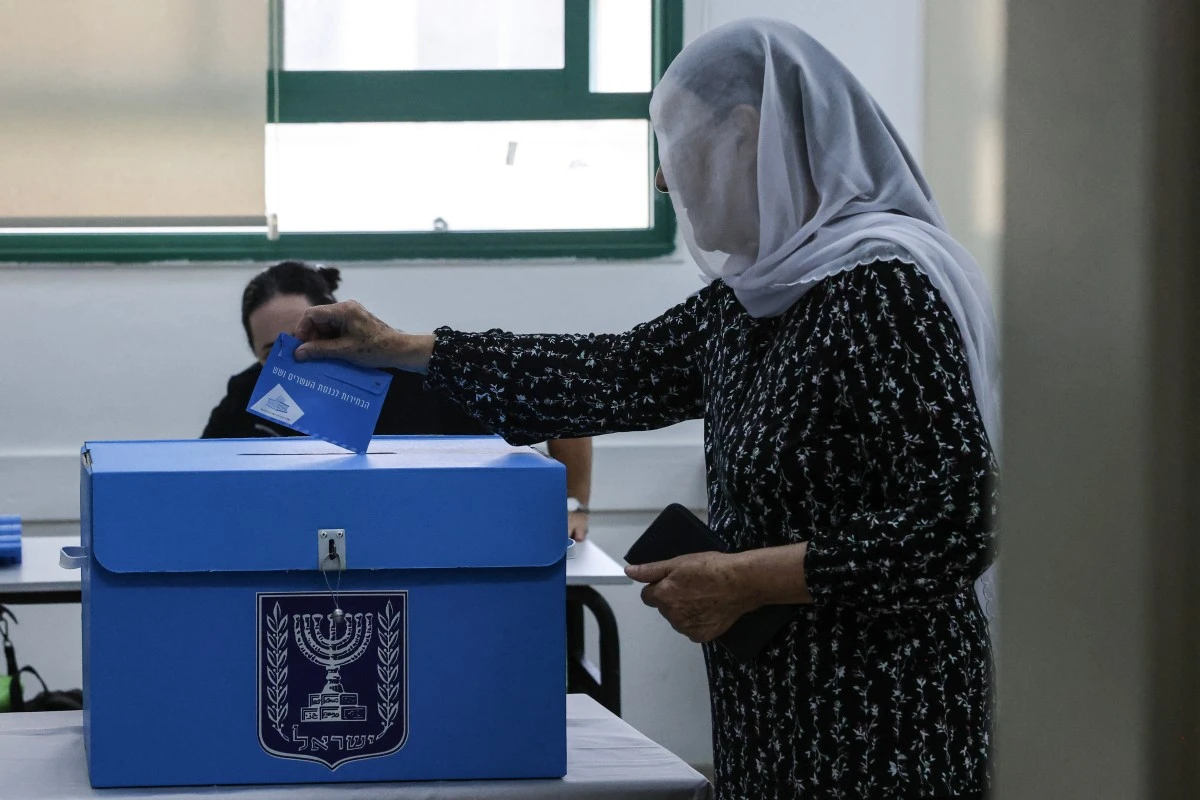
- Al-Ansari referred to repeated accusations against Doha, saying Israeli politicians had variously alleged Qatari influence over Netanyahu, the political left and now Arab voters
- He accused Israeli politicians of using Qatar to deflect attention from their own political setbacks
DOHA: Qatar on Thursday rejected allegations it had funded activities to influence Israel’s parliamentary elections, accusing Israeli politicians of attempting to draw Doha into domestic political disputes following a vote that left Prime Minister Benjamin Netanyahu’s coalition short of a majority.
Qatari Foreign Ministry spokesperson Majed Al-Ansari said the accusations would not deter the country’s mediation efforts, its support for the Palestinian people or its commitment to resolving regional conflicts through diplomacy.
“We categorically deny allegations that Qatar has interfered in Israeli elections or funded any activities intended to influence their outcome,” Al-Ansari said on X.
He referred to the repeated accusations against Doha, saying Israeli politicians had variously alleged Qatari influence over Netanyahu, the political left and now Arab voters: “If these claims were to be believed, Qatar would apparently own all of Israel.”
His remarks came after the head of Israel’s Central Elections Committee, Supreme Court Justice Noam Sohlberg, asked the Shin Bet domestic security agency to investigate suspicions of foreign funding intended to influence Tuesday’s vote.
Israeli media reported allegations that Qatar had provided money to organizations working to increase turnout among Arab voters, whose strong showing has complicated Netanyahu’s efforts to secure another term.
Sohlberg said the suspicions were serious but unsubstantiated and asked the security agency to establish whether evidence supported them.
Al-Ansari described the accusations as a disinformation campaign by Israeli politicians and their allies in the media, accusing them of using Qatar to deflect attention from their own political setbacks.
“Qatar should not be used as a scapegoat for the political failures of certain Israeli politicians,” he said.
“Rather than trying to shift attention onto Qatar, they would be better off focusing on their own voters, improving people’s everyday lives, and undoing the damage they’ve created in the region.”
The allegations emerged as preliminary results showed Netanyahu’s right-wing bloc securing 53 seats in the 120-member Knesset, against 48 for the main opposition bloc led by Gadi Eisenkot.
Arab-led parties were projected to win a combined 19 seats, a record result that could give them a decisive role in determining the next government. Neither of the two main blocs had secured the 61 seats needed for a parliamentary majority.
Netanyahu’s Likud party has also accused Arab parties of widespread electoral fraud, claiming they had stolen the election. Israeli election officials and police said they had found no evidence supporting allegations of systematic irregularities.
The controversy follows an earlier Israeli investigation, known as Qatargate, into allegations that associates of Netanyahu received payments linked to Qatar to promote the Gulf state’s interests.
Two of Netanyahu’s aides, Jonatan Urich and Eli Feldstein, were arrested in March 2025 as part of that investigation. Netanyahu, who was questioned as a witness, dismissed the case as politically motivated, while Qatar rejected allegations of improper involvement.
Qatar continues to mediate between Washington and Tehran to prevent renewed fighting in the Middle East, while also participating in diplomatic efforts concerning Gaza.
Qatari mediators recently presented Iran with proposals aimed at ending the conflict and restoring navigation through the Strait of Hormuz, although disagreements over the terms remain unresolved.
Al-Ansari said Qatar would continue working with regional and international partners to promote peace and stability, regardless of Israel’s domestic political disputes.
He also called on any government emerging from the elections to respect international law and Palestinian rights, including the establishment of an independent Palestinian state on the 1967 borders, with East Jerusalem as its capital.
“We will not remain silent while Qatar’s name is exploited to serve electoral agendas or narrow political interests,” he said.