- Iraq is seeking to strengthen ties with a neighbor with whom it shares a 600-kilometer border
- Syria is working to become a transit hub for global trade, particularly as countries look for alternatives to the Strait of Hormuz
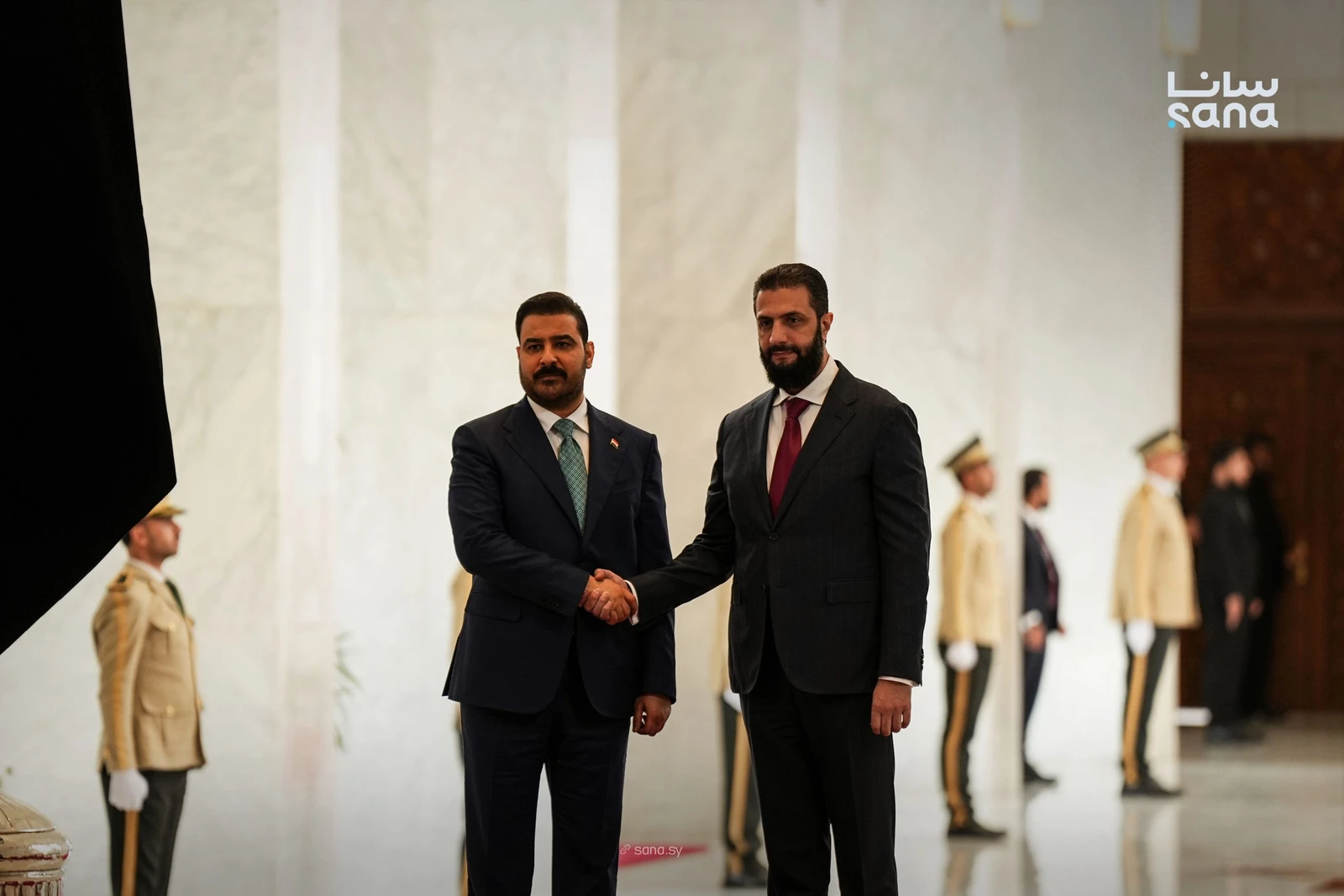
DAMASCUS: Iraqi Prime Minister Ali Al-Zaidi and Syrian President Ahmed Al-Sharaa discussed economic and energy cooperation in Damascus on Wednesday, official statements said, months after a deal on an Iraqi oil export pipeline.
It is the first visit by an Iraqi premier since the current authorities took power after toppling longtime Syrian ruler Bashar Assad in December 2024 following more than 13 years of civil war.
Iraq is seeking to strengthen ties with a neighbor with whom it shares a 600-kilometer (370-mile) border, while Syria is working to become a transit hub for global trade, particularly as countries look for alternatives to the Strait of Hormuz.
Zaidi and Sharaa discussed ways of strengthening cooperation and “developing security, economic and trade cooperation,” as well as regional developments, a statement from the Syrian president’s office said.
A statement from Zaidi’s office said they discussed “developing partnerships and joint cooperation in various fields, particularly economic and social, and bolstering security cooperation.”
They also discussed “unifying positions around regional and international issues, and working to achieve peace and stability in the region,” it added.
The pair addressed issues including “exporting Iraqi oil through the Banias pipeline with an export capacity of up to two million barrels a day” and increasing the volume of trade exchanges, Baghdad said.
Iraq this year began exporting limited quantities of oil by truck through Syria, after maritime traffic through the Strait of Hormuz was disrupted following the outbreak of the Middle East war.
In July, Damascus and Baghdad signed a memorandum of understanding to revive the Haditha-Banias pipeline for transporting oil from Iraq to Syria’s coast, linking Iraqi production to export markets in the Mediterranean and beyond.
A consortium of three companies including Chevron are set to carry out the project.
Shrine visit
Sharaa received Zaidi and his delegation at Damascus international airport, Syrian state television reported.
A statement from Zaidi’s office said he also visited the Sayyida Zeinab shrine, Syria’s most-visited Shia Muslim pilgrimage site.
The pair had met last month in New York on the sidelines of the United Nations General Assembly.
In an interview broadcast on Tuesday by Iraqi television channel Dijlah, Sharaa welcomed Zaidi’s visit and said that “in the past year and a half, something positive has been built in Syrian-Iraqi relations, particularly in economic matters.”
He said his Sunni-Muslim majority country sees ties with predominantly Shia-Muslim Iraq in terms of their “great historical and economic commonalities” rather than sectarian terms.
In February, the United States transferred over 5,700 Daesh group detainees from more than 60 countries to Iraq, after they had been held for years at prisons in north and northeast Syria administered by Kurdish forces.
In Tuesday’s interview, Sharaa said some of the around 3,000 Syrian detainees transferred to Iraq had “no connection” to Daesh, with talks underway on categorising them and examining their cases.
“Syria must bear responsibility for those people and not shift this burden to Iraq,” he said.