- ‘Iran doesn’t accept coercion, threats or intimidation,’ Abbas Araghchi tells conference attended by Arab News
- Plan’s details not yet public but he met with Trump envoy earlier this week
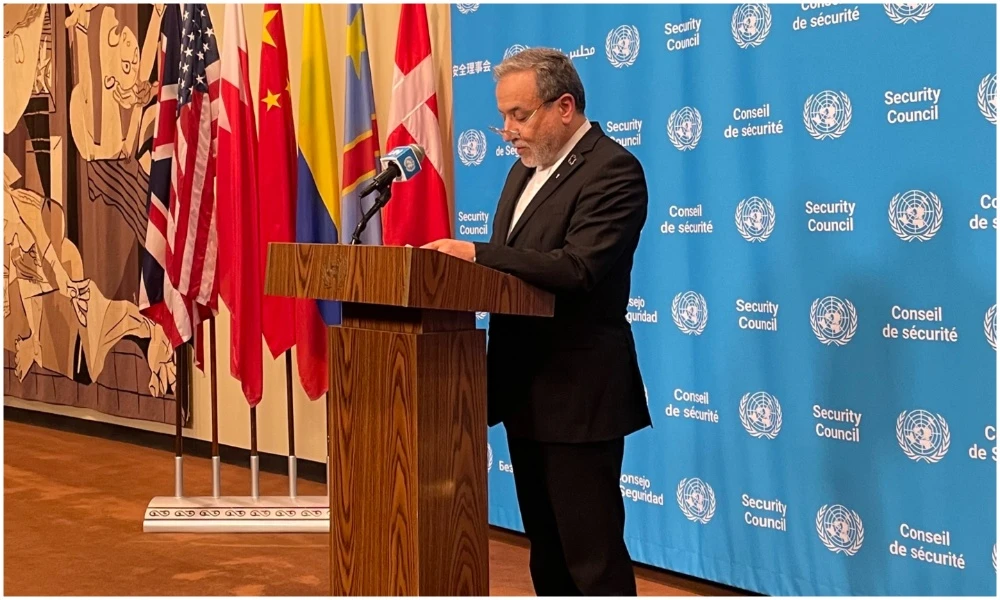
Tehran will reopen the Strait of Hormuz within seven days under a new plan pending US agreement, Iran’s foreign minister told a media conference attended by Arab News at the UN General Assembly on Friday.
“Iran has conveyed to the US, through Qatar, a concrete seven-day plan. If the necessary conditions are met, the strait can be reopened and normal maritime passage restored within seven days,” said Abbas Araghchi.
“The choice now rests with the US. Iran doesn’t accept coercion, threats or intimidation, and Iran won’t surrender its sovereign rights under pressure.”
He added: “If there’s seriousness on the US side to come to a deal and reopen the Strait of Hormuz, everything is now prepared.”
Iran is facing mounting pressure to reopen the vital energy waterway in the Gulf and to rein in its Houthi allies in Yemen.
On Thursday, 80 countries condemned Iran’s ongoing attacks against neighboring countries and the blocking of Hormuz.
Araghchi met earlier this week with US President Donald Trump’s envoy, Steve Witkoff, to discuss conditions for reopening the shipping channel.
The details of the seven-day plan have not yet been made public, but reports say the plan will involve releasing frozen Iranian assets estimated to be worth at least $12 billion.
It also reportedly includes lifting sanctions on Iran’s oil and ending the US naval blockade of the country’s ports.
“The seven-day timeline will start as soon as the US accepts this plan,” Araghchi said, but “certain actions” by Washington must be taken first, as outlined in a memorandum of understanding from June between the two countries, which aimed to pave the way for a permanent ceasefire and detailed negotiations on Tehran’s nuclear program.
However, that initiative has stalled, and Tehran and Washington have resumed their conflict, which has now lasted more than 200 days.
The war started on Feb. 28 when the US and Israel killed top Iranian officials, including Supreme Leader Ali Khamenei, and bombed various vital military and civilian sites.
Tehran launched ballistic missiles and drones against at least 10 countries, and blocked energy tankers from navigating the Strait of Hormuz.