- The deceased militants belonged to Baloch separatist groups and the Tehreek-e-Taliban Pakistan
- In July, TTP and Baloch separatists launched coordinated assaults killing 27 cops among dozens
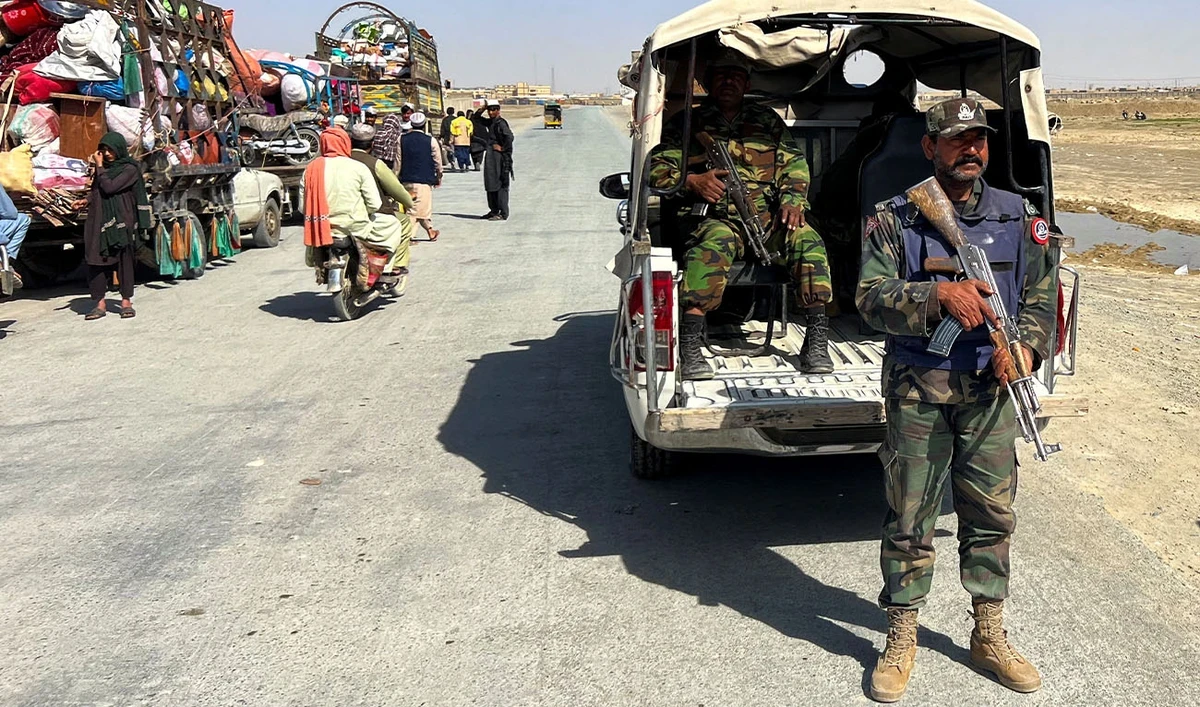
ISLAMABAD: Pakistani security forces have killed more than 30 militants in a series of intelligence-based operations in the country’s southwestern Balochistan province since Sept. 21, the military said late Friday, as authorities press on with a campaign against escalating insurgent violence.
Balochistan, Pakistan’s largest but least developed province that borders Iran and Afghanistan, has been the site of decades-long separatist insurgency and has witnessed an uptick in attacks by separatist and religiously motivated militant groups.
Pakistan’s military said security forces had conducted intelligence-based operations in Shaban area of Balochistan’s Quetta and Nushki districts, killing 16 militants. They brought the number of militant death toll in ongoing operations in the region to 33 since Sept. 21.
The military said the deceased militants belonged to “Indian-backed” Baloch separatist groups and the Tehreek-e-Taliban Pakistan (TTP). There was no immediate response from New Delhi to the Pakistani military’s statement.
“Security Forces and Law Enforcement Agencies of Pakistan will continue at full pace to wipe out menace of foreign sponsored and supported terrorism from the country,” the Inter-Services Public Relations (ISPR), the media arm of Pakistani military, said in a statement.
The development comes amid a surge in attacks in the mineral-rich province. Unidentified gunmen killed two police constables deployed to protect a polio vaccination team in the region, a police official said this week. Though no group claimed responsibility for the attack, Pakistan’s efforts to eliminate polio have often faced resistance from militant groups in Balochistan and Khyber Pakhtunkhwa provinces.
In July this year, TTP and Baloch separatist groups launched coordinated assaults in the southwestern province that killed dozens, including 27 policemen, in Balochistan’s Ziarat and Quetta districts. Pakistani forces have since carried out multiple operations in these areas.
Islamabad has frequently accused India of supporting and Afghanistan of providing safe havens to militants who carry out attacks in the mineral-rich province. New Delhi and Kabul have consistently denied this.