- Attock Refinery chief estimates petrol imports could fall to 10–15 percent of demand if all projects are completed
- Consumers could initially pay Rs2–3 ($0.007–$0.011) more per liter to help fund upgrades though the figure is not final
ISLAMABAD: Pakistan could nearly eliminate diesel imports and cut imported petrol to as little as 10 to 15 percent of domestic demand after its oil refineries complete multibillion-dollar upgrades, the head of one of the country’s five major refiners told Arab News on Friday.
Four refineries — Attock Refinery, National Refinery, Pakistan Refinery and Cnergyico Petroleum — signed long-awaited upgrade agreements with government-designated Inter State Gas Systems (ISGS) on Thursday, advancing investments worth around $5 billion as the Iran war disrupts oil and shipping flows across the Gulf and Red Sea, sharpening concerns over energy security in import-dependent Pakistan.
The conflict has severely disrupted traffic through the Strait of Hormuz, the gateway for oil and gas exports from Gulf producers, while renewed instability around the Bab el-Mandeb has put another major energy and shipping route under pressure.
For Pakistan, which buys much of its petroleum from the region, the turmoil has added urgency to a years-long effort to produce more fuel at home.
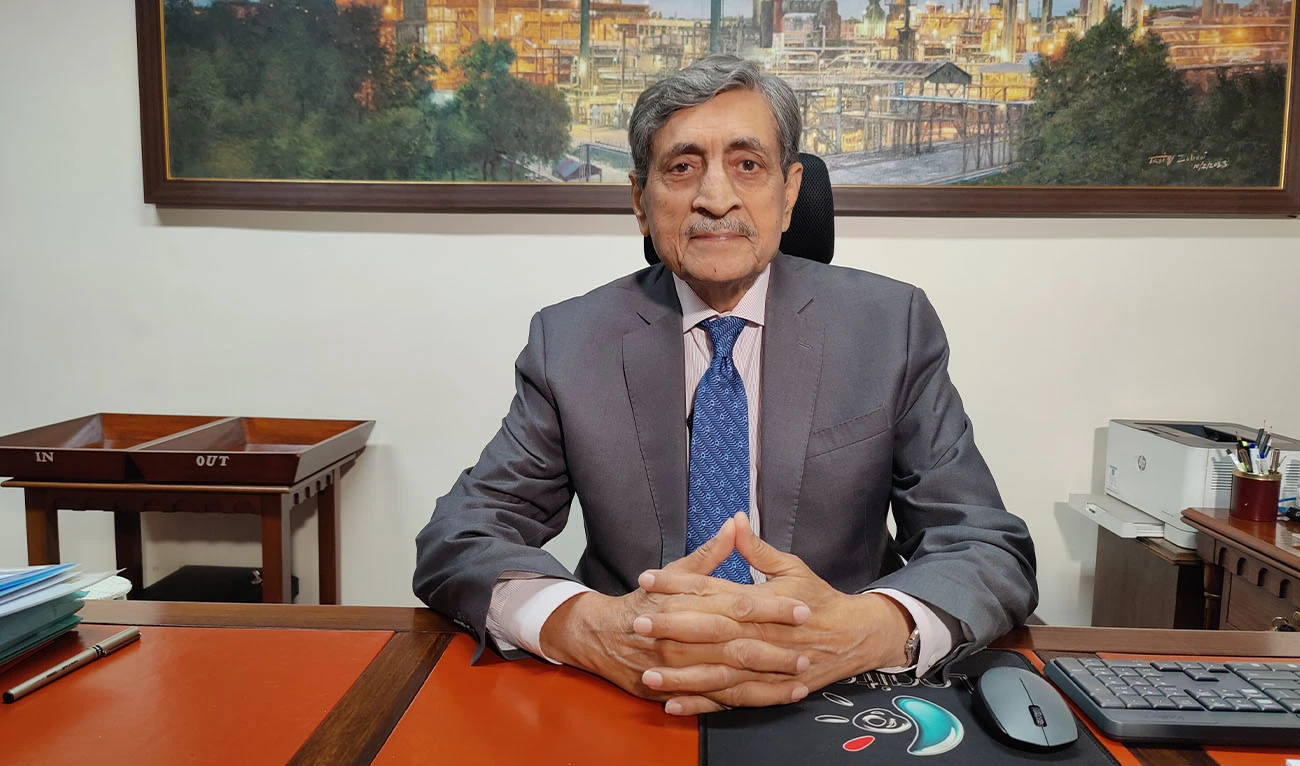
“So, this upgradation would almost enable all the refineries combined to almost meet the entire diesel demand of Pakistan. So 100%,” Attock Refinery Limited CEO Adil Khattak said.
Pakistan currently imports around 70 percent of the petrol it consumes and produces about 30 percent domestically, according to Khattak. For diesel, the proportions are roughly reversed, with local refineries meeting around 70 percent of demand.
Khattak estimated that, if every planned project is completed, the imported share of Pakistan’s petrol supply could fall to around 10 to 15 percent. He said the country might eventually be able to export diesel. Those figures are his projections, rather than announced production targets.
The shift would come not only from increasing refinery capacity but also from changing what Pakistan produces from the crude oil it processes.
Local refineries have traditionally produced significant quantities of furnace oil, once widely consumed by Pakistan’s power plants but increasingly displaced as electricity generation shifted toward other fuels and energy sources.
With domestic demand declining, refineries have been forced to export surplus furnace oil, sometimes at a loss. The upgrades are designed to reduce production of the lower-value fuel while increasing output of petrol and diesel.
“So currently, refineries have been forced to export furnace oil at a loss,” Khattak said. “So these upgradation would enable the refineries to reduce furnace oil production, and increase the diesel and motor gasoline production, which are more high-value products.”
The refinery upgrade program is expected to cost between $5 billion and $6 billion, according to Khattak. Attock Refinery’s project is estimated at around $600 million, while he put Pakistan Refinery Limited’s project at around $1.8 billion because it also involves expanding capacity.
The four projects covered by Thursday’s agreements account for about $5 billion of that investment. Pak-Arab Refinery Limited (PARCO), the country’s fifth major refinery, has yet to sign, with its participation expected to take the overall program closer to $6 billion.
The government will help fund the upgrades through a mechanism under which customs duties on petroleum products go into dedicated accounts maintained jointly by the government and individual refineries, allowing them to recover part of their project costs as agreed milestones are met.
Refineries can receive up to 27.5 percent of eligible costs for projects using new equipment and up to 25 percent where used equipment is deployed, with ISGS monitoring progress and authorizing withdrawals.
For Attock Refinery, much of the remaining money may come from within Pakistan rather than overseas.
Khattak said around eight major Pakistani banks had expressed interest in financing its $600 million project and the company expected to rely largely on domestic financing.
Pakistani refiners had earlier said they were looking to foreign lenders and investors to help finance the wider modernization program, with Saudi Arabia, Azerbaijan and Türkiye among potential sources of funding.
Consumers, however, could initially pay slightly more for fuel as the investment mechanism takes effect, though Khattak said the exact impact had yet to be calculated. He estimated a possible increase of Rs2–3 ($0.007–$0.011) per liter for petrol and diesel.
“Maybe they are very slight, two, three rupees increase per litre on that account,” he said. “I can’t give you the exact figure because it has to be calculated finally.”
The projects are also intended to bring Pakistan’s locally refined fuels in line with Euro-V specifications, a cleaner-fuel standard that sharply restricts pollutants. Khattak said the upgrades would reduce sulfur content in diesel to around 10 parts per million.
But neither the cleaner fuel nor the reduction in imports will come immediately.
Under the amended refinery policy, companies have five years after signing their agreements to commission the new facilities. Khattak expects Attock Refinery to complete its project in around four to four-and-a-half years, including about three years of construction after the engineering and contracting stages.
The eventual savings would not mean Pakistan stops importing petroleum. Instead, the refinery upgrades would allow it to import more crude oil and process it domestically, reducing purchases of more expensive finished products such as petrol and diesel as well as additives currently needed to bring locally produced gasoline up to required specifications.
“So we would be increasing crude import instead of finished product import,” Khattak said.