- Arab League secretary-general highlights importance of strengthening Lebanese institutions
- A Lebanese military commander warned Israel’s occupation prevents residents’ safe return
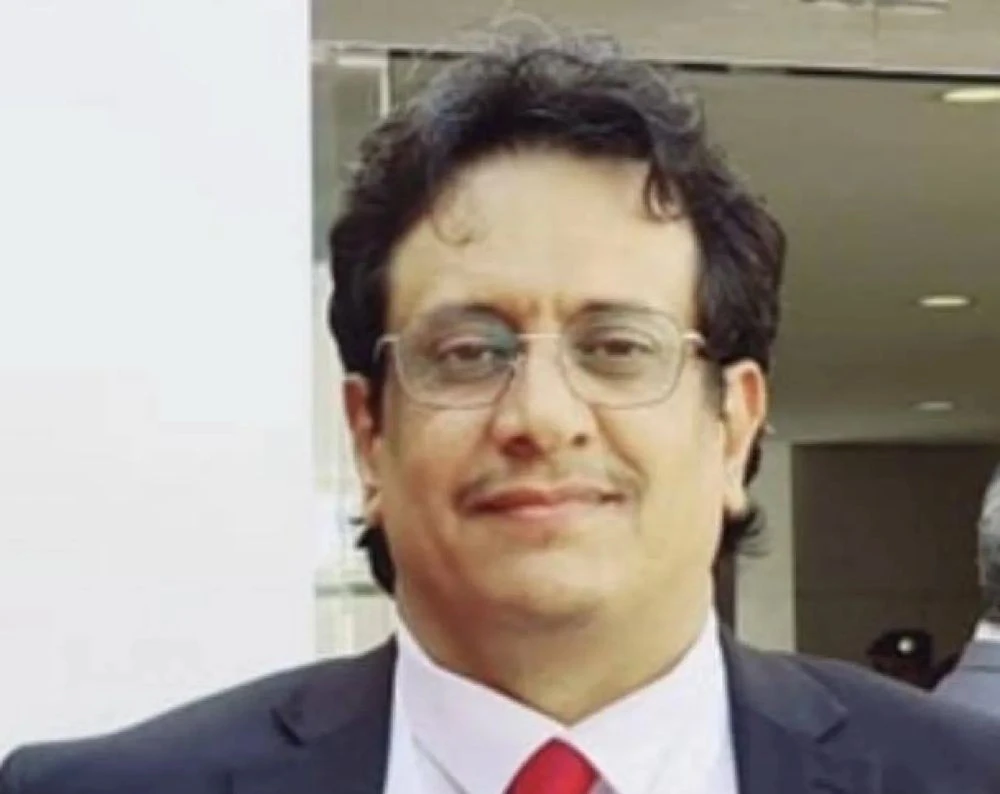
LONDON: Arab League Secretary-General Nabil Fahmy condemned Israeli attacks on southern Lebanon during a visit on Tuesday. He called for Arab and international support to strengthen Lebanese institutions and help displaced residents return home.
Fahmy visited the Benoit Barakat Barracks in Tyre with Social Affairs Minister Haneen Sayed, meeting Nicolas Tabet, commander of the South Litani Sector, and senior Lebanese army officers, the Lebanese daily Annahar reported.
Speaking before a closed-door meeting, Tabet said the continuing Israeli occupation and security threats prevented residents from returning safely to their villages and obstructed the army’s deployment throughout southern Lebanon up to the internationally recognized borders.
He called for Arab and international action to end Israeli attacks, secure a full withdrawal from Lebanese territory and uphold Lebanon’s sovereignty. Failure to comply with ceasefire agreements required a serious response to protect Lebanon and ensure stability, he said.
Fahmy echoed those concerns, saying: “The Israeli attacks and violations suffered by citizens in southern Lebanon are unacceptable.”
He urged Arab countries and the international community to help Lebanon strengthen its institutions, confront its challenges and enable displaced residents to return.
The Arab League chief said he had made Lebanon one of his first destinations after taking office because of its importance to him and his desire to see firsthand the challenges facing its people.
His visit to the south, he said, “carried a political message to its people: that the Arab world, alongside the international community, recognizes the extent of the suffering they endure and stands ready to support them through positive and concrete steps.”
That support would extend beyond the visit, Fahmy said, pledging continued consultations with Lebanese authorities to help the government, army and people carry out their responsibilities despite regional challenges.
The appeals came as displacement and damage to essential services continued to impede recovery in southern Lebanon.
As of Aug. 18, about 860,000 people had returned to their areas of origin in Lebanon, while about 360,000 remained displaced, including at least 22,000 in collective shelters, according to UN figures.
Renewed attacks have also forced some families to flee again. The UN refugee agency, UNHCR, said Israeli airstrikes in southern Lebanon in August displaced hundreds of families who fled north despite ceasefire arrangements.
Damage extends beyond homes to water and electricity networks, schools, health facilities and agricultural land. UNHCR reported in August that damage to water infrastructure affected more than 700,000 people in parts of southern Lebanon.
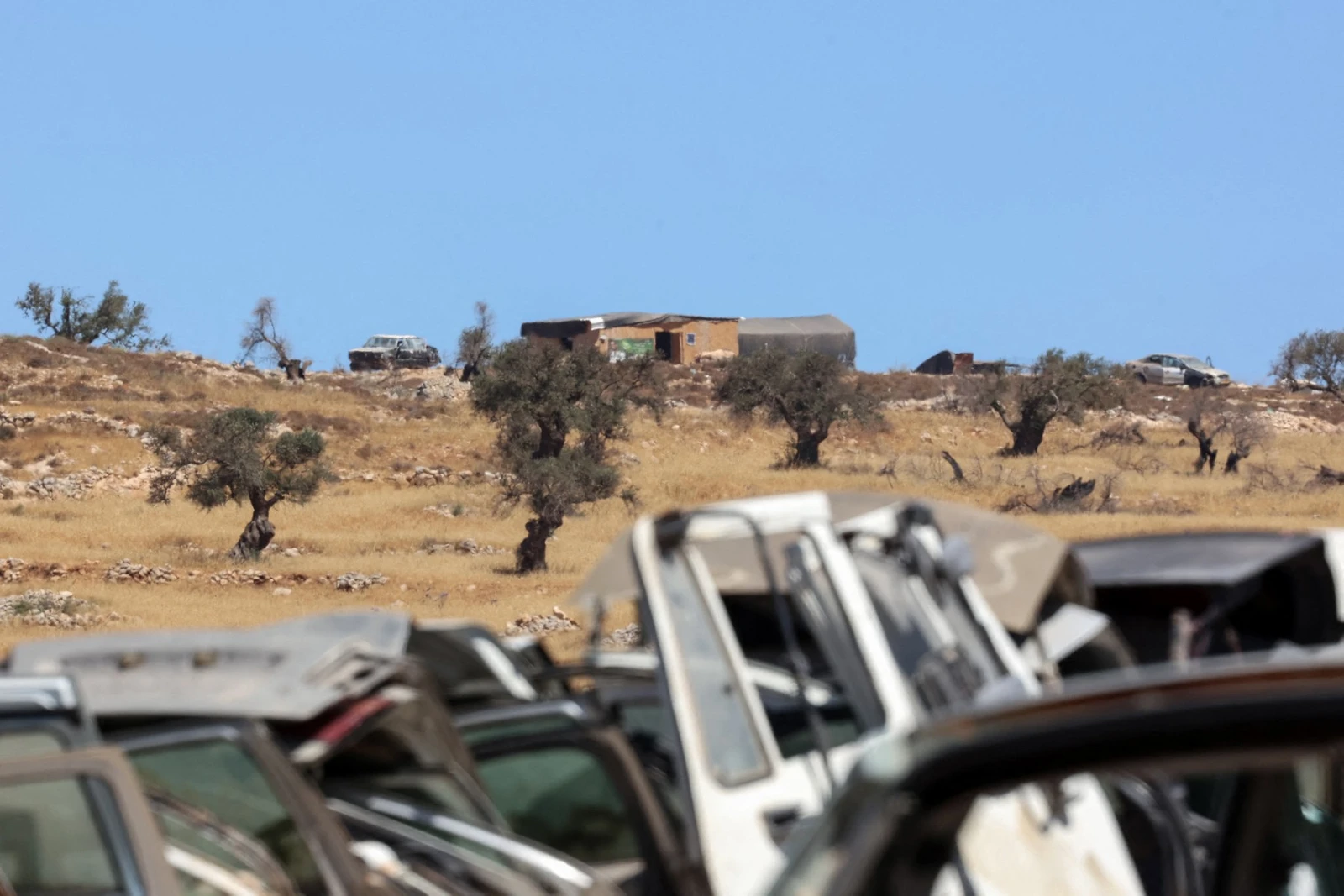
Describing conditions he witnessed in Zawtar and Nabatieh as “regrettable,” Fahmy accused Israel of systematically destroying residential areas, seizing land and seeking to displace residents in preparation for a potential occupation.
He expressed confidence that Lebanese residents would remain attached to their land and highlighted the importance of supporting the army.
The Arab League was examining ways to work with the Lebanese government on reconstruction, security and stability, including strengthening the military, Fahmy said.
Although rebuilding would require commitments across several sectors, he said, the task’s complexity did not diminish the league’s responsibility or commitment to Lebanon.