LONDON: Syria says it remains committed to US-mediated negotiations with Israel, even though days before Damascus reaffirmed this position Israel’s defense minister stood on the captured slopes of Mount Hermon and made it clear that Israeli troops had no plans to leave.
Analysts say the negotiations appear less like a route to a comprehensive settlement than a channel to prevent the conflict from escalating.
“The process currently serves to manage escalation more than to close an agreement,” said Nanar Hawach, a senior Syria analyst at the International Crisis Group.
The core disputes, including Israel’s withdrawal from Syrian territory, the extent of demilitarization in southern Syria, and the future of the southern governorate of Sweida, remain unsettled, Hawach told Arab News.
Samy Akil, a Syrian political researcher and analyst, described the effort as a “renewed and genuine diplomatic push, driven largely by US and regional pressure,” but said Israel had little incentive to negotiate in earnest.
The talks could become “a mechanism for managing escalation” that might eventually pave the way for a security agreement, Akil told Arab News. But he added: “I don’t see this happening anytime soon.”
Damascus, he said, had indicated it was willing to provide security guarantees for Israel. Israeli officials, however, continue to regard Syria as a “potential threat,” and have faced little in the way of deterrence to discourage their operations inside the country.
“I don’t think that the Israelis will be willing to engage constructively or in good faith at the current stage, largely because they don’t have to,” Akil said.
Domestic politics might further narrow the room for compromise.
“Israeli elections in late October constrain what Israeli leaders can concede” on the core questions under negotiation, Hawach said. “Any potential breakthrough would likely come after the vote.”
Akil agreed, saying Prime Minister Benjamin Netanyahu’s government was likely to showcase its military superiority and image as Israel’s security guarantor ahead of the vote.
Ghassan Ibrahim, editor-in-chief of Syria Focus, said Israel’s public messaging on Syria should be viewed through a political lens. Netanyahu seeks to project strength by portraying himself as a leader who will deal with Syria as he has dealt with Gaza and Lebanon, he added.
“The current Israeli government, led by Netanyahu, sees war not simply as war, but as a political tool — for popularity and, ultimately, to avoid court proceedings,” Ibrahim said.
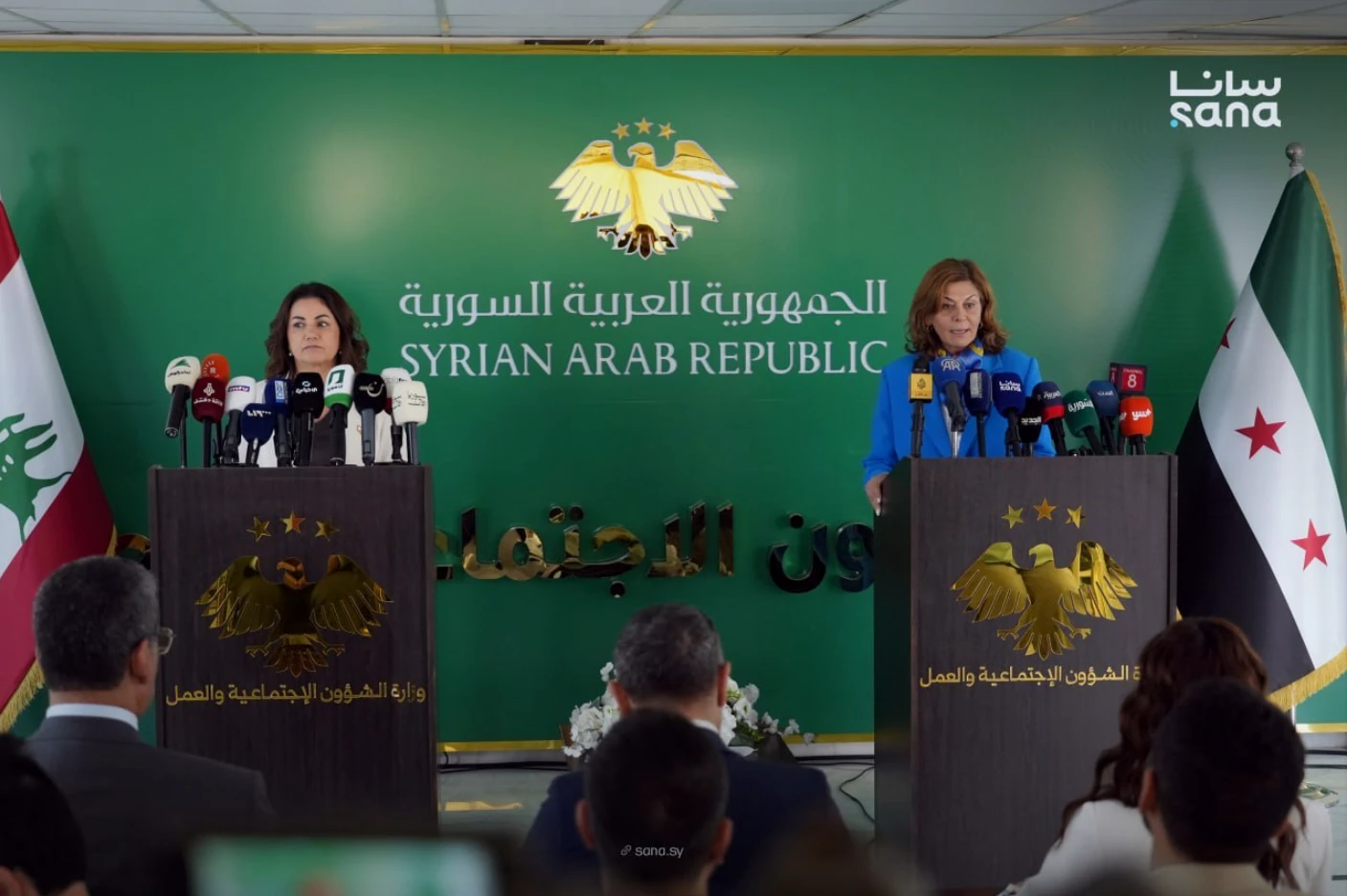
During a visit to Denmark this week, Syria’s foreign minister, Asaad Al-Shaibani, said Damascus was pursuing a “diplomatic solution” under US mediation. Israel’s decision to keep troops on Syrian territory was “a clear declaration to entrench occupation” based on “false security pretexts,” he added.
Israel, meanwhile, has continued to launch airstrikes and incursions ever-deeper into Syria while insisting it would maintain a security zone in the south and seek a broader demilitarized area.
Last month, Israeli forces struck Abu Al-Duhur airbase near Idlib, citing allegations that Turkiye planned to deploy there. Ankara and Damascus denied the claim.
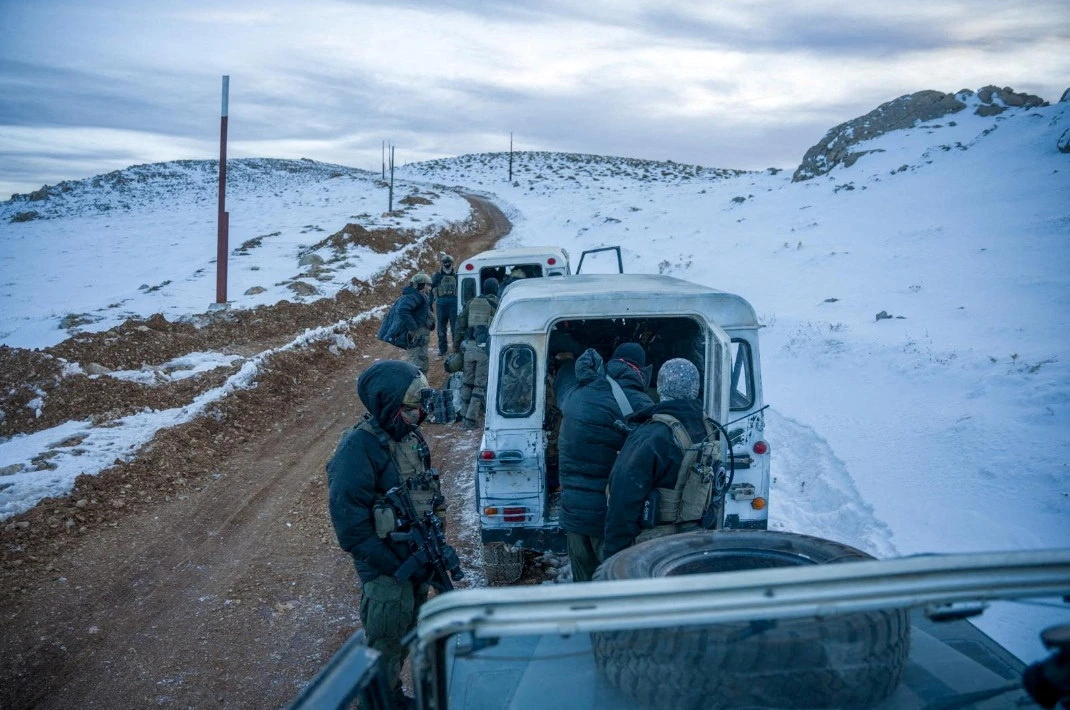
During a late-August visit to Israeli troops on occupied Mount Hermon, Defense Minister Israel Katz reinforced Israel’s position.
“We will not move from Mount Hermon and the security zone as long as there are jihadist threats to the State of Israel,” he said.
Chris Doyle, director of the London-based Council for Arab-British Understanding, said Israel was combining aggression with diplomacy in an effort to “buddy the new Syrian authorities into being part of Israel’s hegemonic horizon.”
Israel wants any authority in Damascus to be “essentially subservient to Israeli security interests,” he told Arab News. It also wants to keep Syria’s new leadership outside Turkiye’s orbit.
Joshua Landis, director of the University of Oklahoma’s Center for Middle East Studies, told Arab News: “Washington’s deconfliction effort in Syria is better understood as damage control than as evidence of a functioning mechanism for managing Israeli-Turkish competition.
“Some Israeli politicians increasingly view Turkiye as a ‘new Iran,’ or potentially as an even more dangerous strategic threat because of its military capabilities, relations with the West, and NATO membership.”
Syria risks becoming a battlefield for competing powers, he warned.
The US remains Syria’s most important potential source of leverage, even as Washington has shown limited appetite for restraining Israel.
Landis said the Trump administration’s “reluctance to pursue energetic diplomacy is part of a broader pattern, one not unique to Syria.”
He added: “Israel has shown that it wants to exercise the freedom to strike its enemies — in Gaza, Lebanon, Syria or Iran — and rather than restraining that behavior, Trump has largely demurred, and in the case of Iran joined it.”
Hawach said Damascus had invested heavily in its relationship with Washington, the only actor with actual capacity to restrain Israeli operations. Syria has also tightened security along its borders with Iraq and Lebanon.
Those steps have brought limited returns, leaving security cooperation and an openness to broader arrangements among Syria’s remaining assets in negotiations, Hawach said.
Akil said Damascus sought close ties with Washington in hopes of generating pressure on Israel through the White House and State Department.
Continuing Israeli strikes could drive Syria toward deeper military cooperation with regional countries, he added.
The imbalance of power remains stark. Landis said: “Syria is weak and Israel is strong, which means that Israel can do what it wants in Syria.”
Netanyahu, he added, “has made clear in his recent TV appearances that he believes his aggressive military policy in Syria and Lebanon is a winning policy.”
Ibrahim acknowledged Israel’s overwhelming military advantage, describing it as a “superpower,” but said Syria’s restraint reflects calculation rather than helplessness. If no agreement that includes Israeli withdrawal from Syrian territory is reached, he warned that Israel might escalate.
But Damascus understands that war would undermine its priorities of stabilizing the country, rebuilding its economy and sustaining development.
“It would not be wise for the Syrian government to respond militarily, because that would help the Israeli government achieve its goal,” Ibrahim said.
Akil agreed that Damascus had few practical options available to deter Israeli action and could not afford an escalation, particularly before Israel’s elections.
“Still, Syria does not believe that a military response would resolve the situation,” he said.
Ibrahim, however, believes a security arrangement remains possible. Negotiations, he said, “have reached an advanced stage” but the primary obstacle remains Netanyahu’s government.
“The problem in Israel is with the current government, not all Israelis,” he said. “Many political parties are criticizing Netanyahu and saying that Israel is losing an opportunity. Even Trump has said that Israel should not lose this opportunity.”
Syria remains open to negotiations, Ibrahim said, “but it will not necessarily remain open indefinitely or without conditions.”
“At this stage, Syria is not asking for much: respect for its sovereignty, withdrawal from its territory and an end to Israeli interference inside the country through support for one group against another.”
Can Syria-Israel talks deliver a deal or only delay the next clash?