TORONTO: Written amid hopes for a Middle East peace process, “Classic Palestinian Cookery” was first released in 2001. “We really thought that peace was becoming a reality” and the book was “an expression of all this hope,” author Christiane Dabdoub Nasser told Arab News.
More than two decades later, as the book — now titled “Classic Palestinian Cuisine” — releases its 25th-anniversary edition this month, Dabdoub said that hope has faded, even as the book’s importance remains.
For her, food is a form of cultural preservation, bound up with memory and identity amid years of war and displacement.
“We are dealing with an opponent that wants to erase (our) memory and our presence,” Dabdoub said. Israel takes “(our) land, our rights and sometimes our very humanity,” but also appropriates food such as falafel, “hijacking” it to rewrite history and build the country’s identity, she added.
Food culture is used to brand nations, she said, and Palestinians “really have to get on the bandwagon,” because food is the “national identity,” “political struggle” and “form of resistance” of the Palestinian people.
Among the new recipes, Dabdoub said, are three from Gaza — her small way of “putting a different label” on the war-torn territory — where people are “living their lives over the rubble.” It is an invitation for readers to view Gaza as a place “where people lived, loved and died,” because “the way Israel has portrayed Gaza over the years is scandalous,” she said.
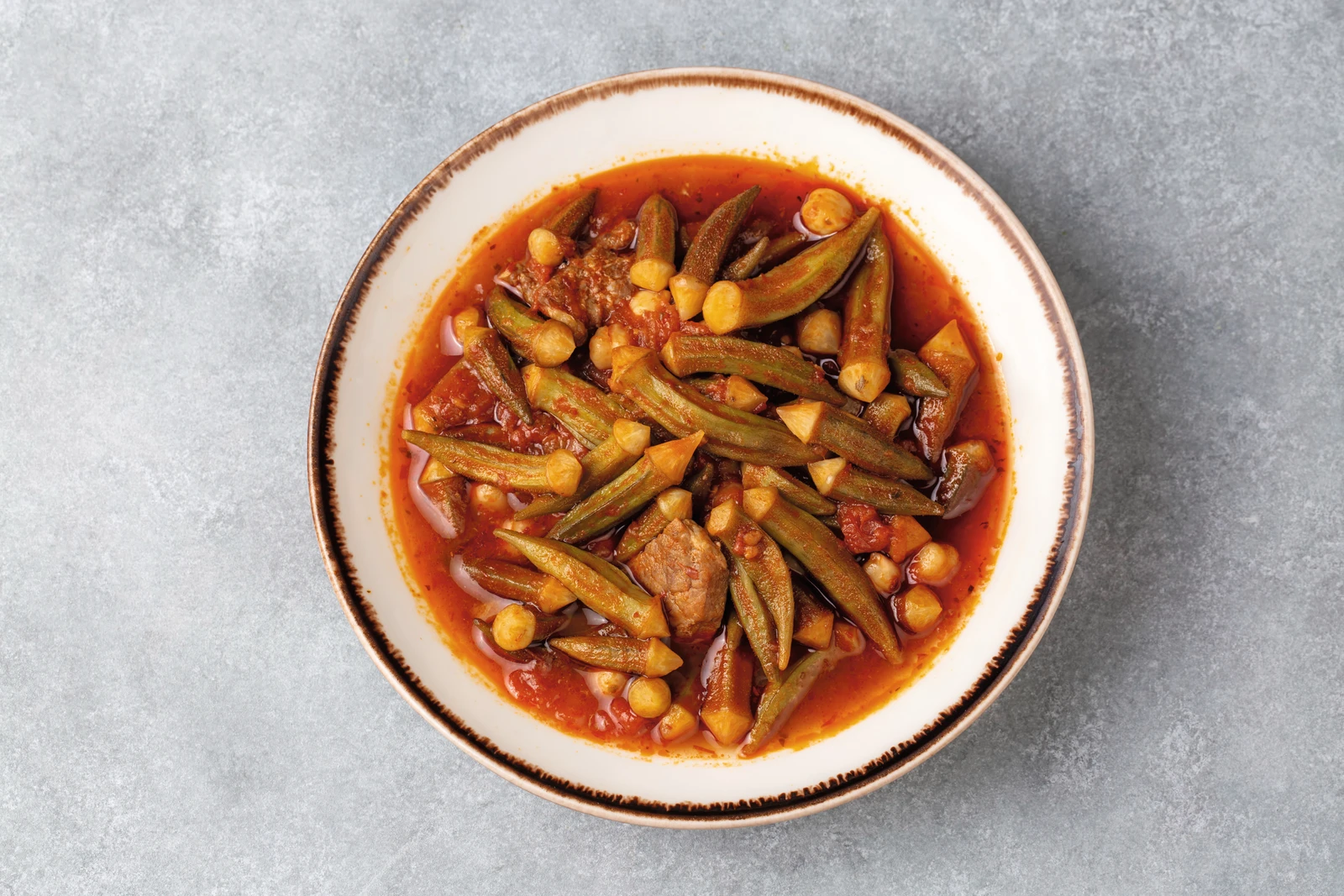
The book also features family favorite recipes such as ruz hashweh, which Dabdoub’s grandchildren consider “comfort food,” and m’loukhiyeh, an elaborate Sunday dish, she said. It closes with suggested menus, such as for a Ramadan iftar or Christmas Eve dinner, made up of dishes from its recipe sections.
Ultimately, Dabdoub hopes the book will “create a buzz.” It is “not just about cooking,” she said, but about “a lifestyle that has all but disappeared,” and it matters because “people should look at Palestinians as human beings.”
Palestinian cookbook releases new edition as author reflects on food as ‘a form of resistance’