RIYADH: Syria and Lebanon agreed on a unified plan to develop transport and rail links and formed a joint technical team to oversee the work, as the two neighbors seek to improve trade and regional connectivity.
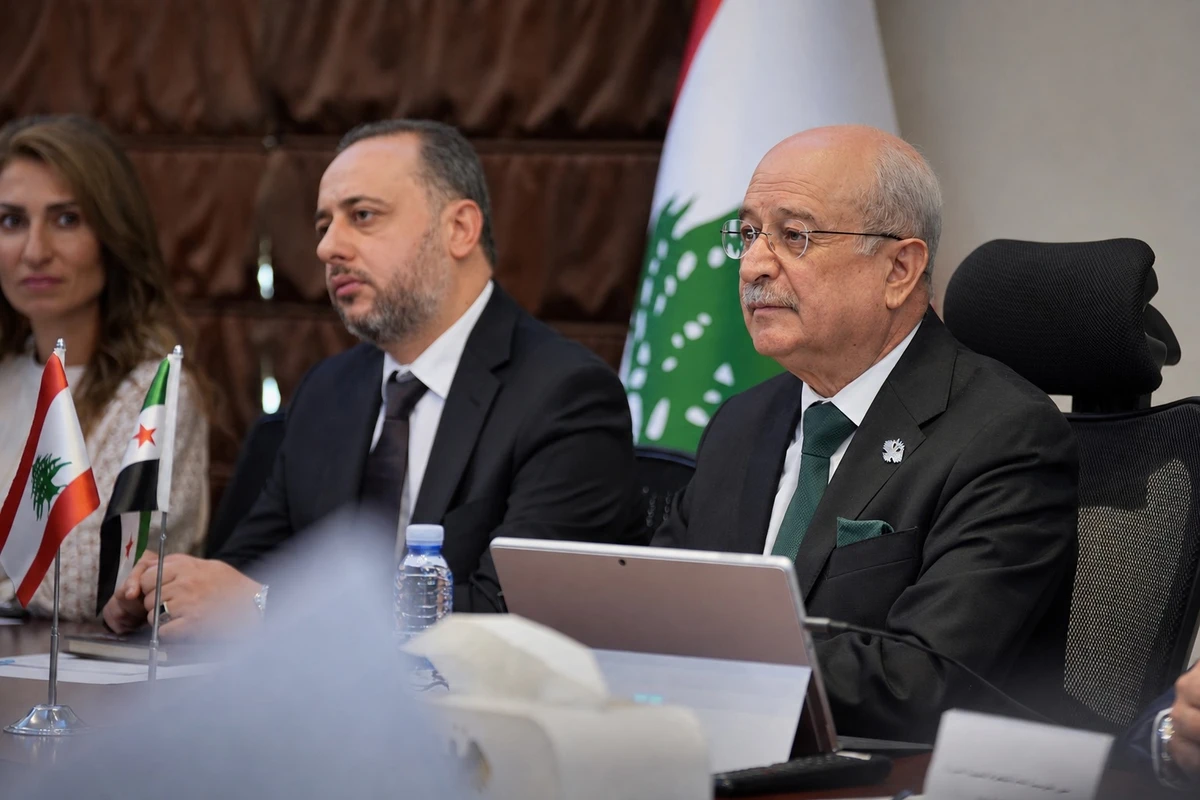
The agreement was reached during talks in Damascus between Syrian Transport Minister Yarub Badr and Lebanese Public Works and Transport Minister Fayez Rasamny, according to the Syrian Arab News Agency, known as SANA.
The plan is intended to improve the prospects of attracting international donors and financing for joint transport projects, while reviving the railway network that historically linked the two countries. Badr said the rail connection would form part of a broader regional network extending to the Gulf, helping reduce transport costs and improve trade flows.
Syria has also been seeking international support for its rail network. In February, the Transport Ministry said it had agreed with the World Bank to allocate $50 million for vital transport projects, including financing for the purchase of 15 new locomotives. A study was also under way on maintaining existing locomotives. The sides also discussed reassessing the economic feasibility of a phosphate transport corridor.
Speaking at a joint press conference at the ministry’s Damascus headquarters, SANA reported Badr as saying: “Joint work with Lebanon lays the basis for reviving rail links between both countries.”
Badr said work to develop land links and bridges between Syria and Lebanon is continuing and that the Al-Arida border crossing is expected to resume operations within the coming weeks, subject to coordination with the relevant authorities.
He described the rail-link project as a long-term undertaking requiring joint technical studies to determine routes, connection points and procedures for cross-border rail operations.
Phased rollout
Badr said the transport network would be developed in stages, with railway infrastructure potentially built first and investors taking over train operations and transport services at a later stage.
Road crossings currently handle most traffic between the two countries, particularly the Al-Masnaa crossing, resulting in congestion for trucks and travelers. Badr said work was under way to rehabilitate damaged bridges and restore road crossings to ease the pressure.
Goods traffic through Al-Masnaa has not been interrupted, he said.
Lebanon’s side
Rasamny said the formation of a specialized technical committee was an important step toward establishing a unified route between the two countries. He said rail links could support the economies of both countries while connecting the Port of Tripoli with border crossings and the airport, with access extending toward Syria, the Gulf, Iraq and Turkiye.
He said Syria and Lebanon were seeking to revive economic growth after difficult years by upgrading border crossings, rail links, shared transport infrastructure and ports. He also stressed the importance of expanding joint investment, particularly in processing agricultural products, increasing their value for export and creating jobs.
Path to bankability
In an interview with Arab News, economist and university professor Jassem Ajaka said that over the next 18 months, several aspects need to be studied for the rail initiative to move from planning studies into a bankable, donor-ready project.
“The first 6 months should focus on legal harmonization, assessing feasibility, reviewing bilateral agreements to see if they need updating, checking logistics standards, studying ground conditions where the rails will be laid, and estimating the project's financial returns,” he said.
Ajaka explained that the following 6 months should cover detailed engineering design, environmental and social impact assessments, and integration planning — not just between Lebanon and Syria, but with neighboring countries as well.
“The final phase would structure the project as a Public-Private-Partnership, since donors typically work with that model,” he added.
Syria’s roads and rail network
Badr said Syria has 45,349 km of paved roads, including 9,058 km of central roads, of which 1,618 km are highways. The country also has about 1,000 bridges, with 86 damaged and requiring assessment and rehabilitation.
Syria’s railway network extends 2,552 km, of which 1,052 km is operational, connecting Aleppo, Hama, Homs, phosphate mines and Damascus with the Mediterranean ports of Tartous and Latakia. More than half of the network remains out of service, Badr said.
Registered vehicles increased from 2.57 million in 2024 to 3.65 million in 2026, an increase of about 42 percent. Syria has 42,348 heavy trucks with payloads exceeding 11 tons, of which 31,765 are more than 20 years old. The aging fleet is increasing transport, fuel and maintenance costs, Badr said.