RIYADH: The global economy has demonstrated resilience in the face of recent shocks, but vulnerabilities have also increased, Saudi Finance Minister Mohammed Al-Jadaan told a G20 meeting as he called for stronger economic defenses against future disruptions.
Al-Jadaan said securing alternative production, maintaining adequate inventories and ensuring infrastructure had sufficient spare capacity were among the first lines of defense against economic shocks.
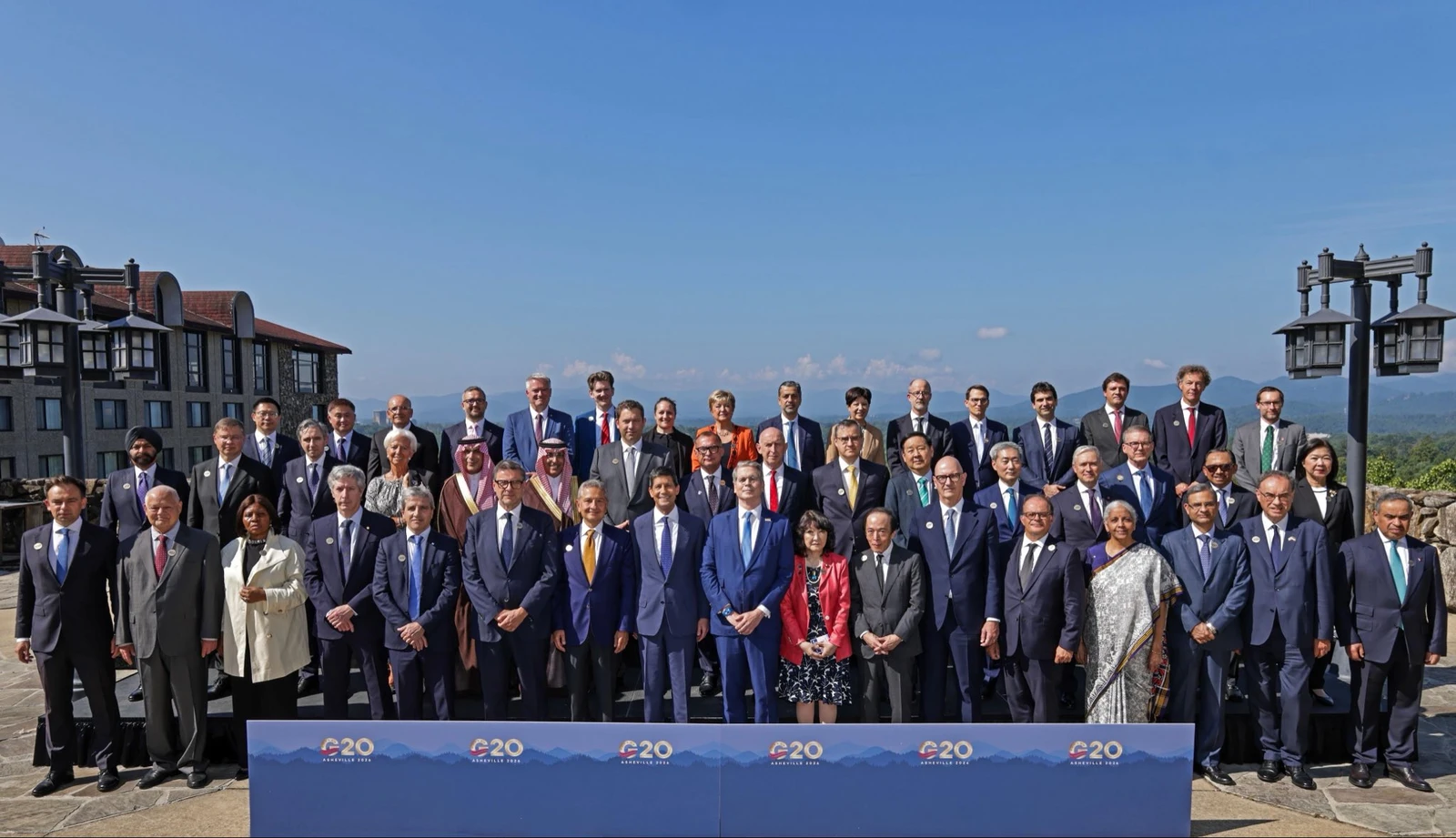
He delivered the remarks during the “Current Economic Developments” session at the second G20 Finance Ministers and Central Bank Governors Meeting under the US presidency, held in Asheville, North Carolina.
The meeting brought together finance ministers and central bank governors from G20 economies, representatives of invited countries and heads of international financial institutions.
The discussions came as policymakers confront persistent geopolitical uncertainty, rising debt vulnerabilities and the need to strengthen long-term growth. The US presidency placed economic growth, productivity, global imbalances and sovereign debt among the meeting’s key priorities.
Growth and debt priorities
“Minister Al-Jadaan emphasized during the session entitled ‘Growth’ the importance of strengthening the capacity of economies to achieve strong and sustainable growth over the long term, noting that the constraints on growth differ across economies and evolve as they develop,” the ministry stated in a release.
“He stressed the need to identify the most binding constraints at each stage and adapt policy responses as they evolve,” it added.
During the “Global Imbalances” session, Al-Jadaan said external surpluses and deficits reflected differences in countries’ economic conditions and structures and did not necessarily constitute imbalances in themselves.
Addressing global imbalances effectively required looking beyond trade flows to domestic financial and economic conditions and the structural factors behind them, he added.
In the “Sovereign Debt” session, Al-Jadaan said building a more robust international system to address debt challenges involved more than responding effectively to debt crises in fragile countries.
He said the effort should also focus on preventing the buildup of debt that fails to generate sustainable economic and development returns.
Strengthening countries’ ability to assess financing needs and manage debt sustainability was a key pillar in preventing liquidity pressures from developing into deeper debt crises, Al-Jadaan said.
During a closed session, he joined finance ministers and central bank governors in discussions with private-sector representatives on artificial intelligence and its role in innovation, productivity and economic growth.
Al-Jadaan also held bilateral meetings with counterparts from participating countries and senior officials from international financial institutions. Discussions covered global economic trends, financial issues of mutual interest and opportunities to strengthen cooperation and exchange expertise.
In a post on his official X account, Al-Jadaan said he also met with International Monetary Fund Managing Director Kristalina Georgieva on the sidelines of the meeting.
“We discussed global economic developments, international cooperation in support of economic and financial stability, efforts to strengthen member countries’ capacity to address economic challenges, and key matters related to the International Monetary and Financial Committee,” the post added.
Saudi economic resilience
Saudi Central Bank Gov. Ayman Al-Sayari also highlighted the Kingdom’s economic resilience during the meeting, saying inflation remained contained despite the risk that external developments could affect financial conditions and prices.
Higher global shipping and insurance costs could generate near-term inflationary pressures, he said.
Saudi inflation remained stable, averaging 1.8 percent during the first seven months of 2026.
Non-oil activities continued to expand despite a moderation in growth this year caused by external disruptions, supported by structural reforms, private-sector participation and sustained investment flows.
Domestic demand remained a key pillar of growth, underpinned by a stable labor market, government spending and the continued implementation of public- and private-sector projects.
Al-Sayari said the overall unemployment rate reached a record low of 3.1 percent in the first quarter of 2026, while unemployment among Saudi nationals stood at 6.4 percent.
Near-term risks remained largely external, he said, with heightened geopolitical uncertainty and disruptions to trade and energy flows weighing on exports and non-oil activity.
Saudi Arabia’s diversified logistics and energy infrastructure had helped mitigate the impact of those disruptions, he added.
Saudi Arabia calls for greater economic resilience at G20 finance meeting