- UNICEF's Dr. Tajudeen Oyewale warns that preventable malnutrition is threatening children as families struggle to access food, water and healthcare
- Afghanistan’s worsening nutrition crisis is being driven by poverty, displacement, climate shocks and shrinking humanitarian funding
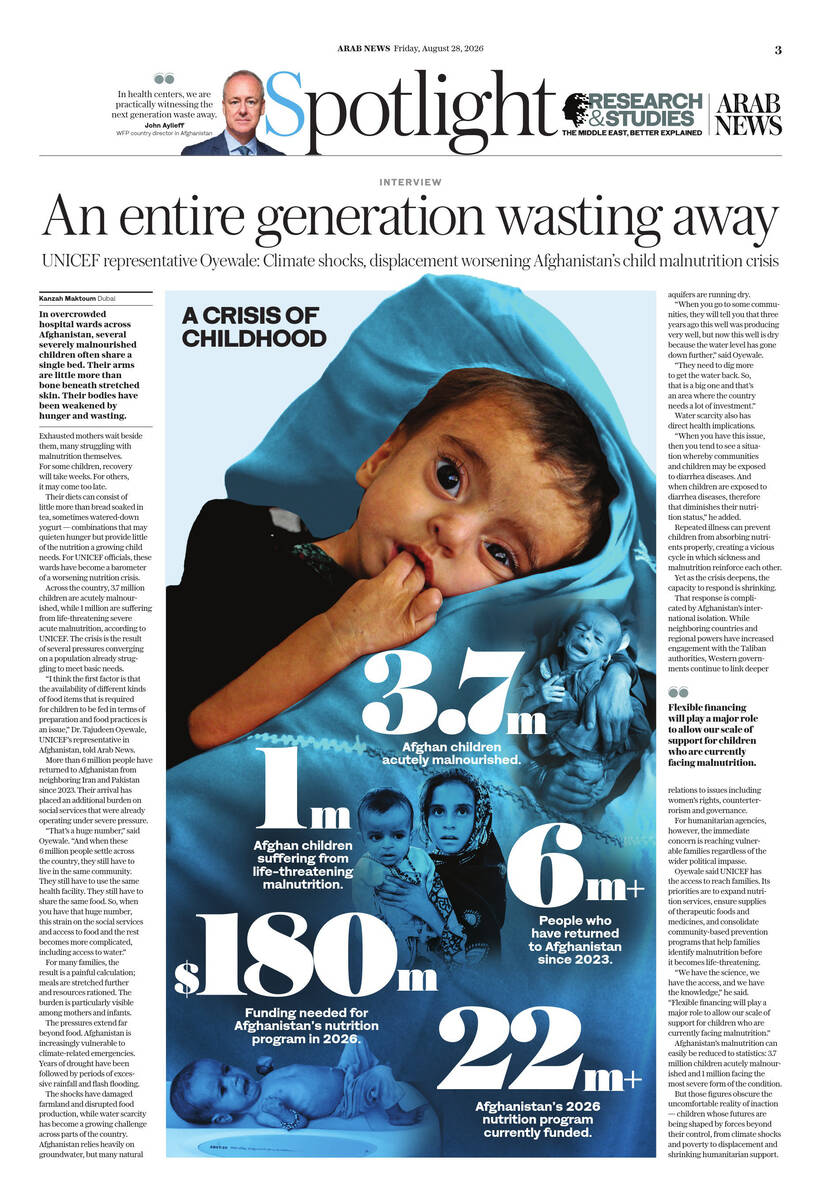
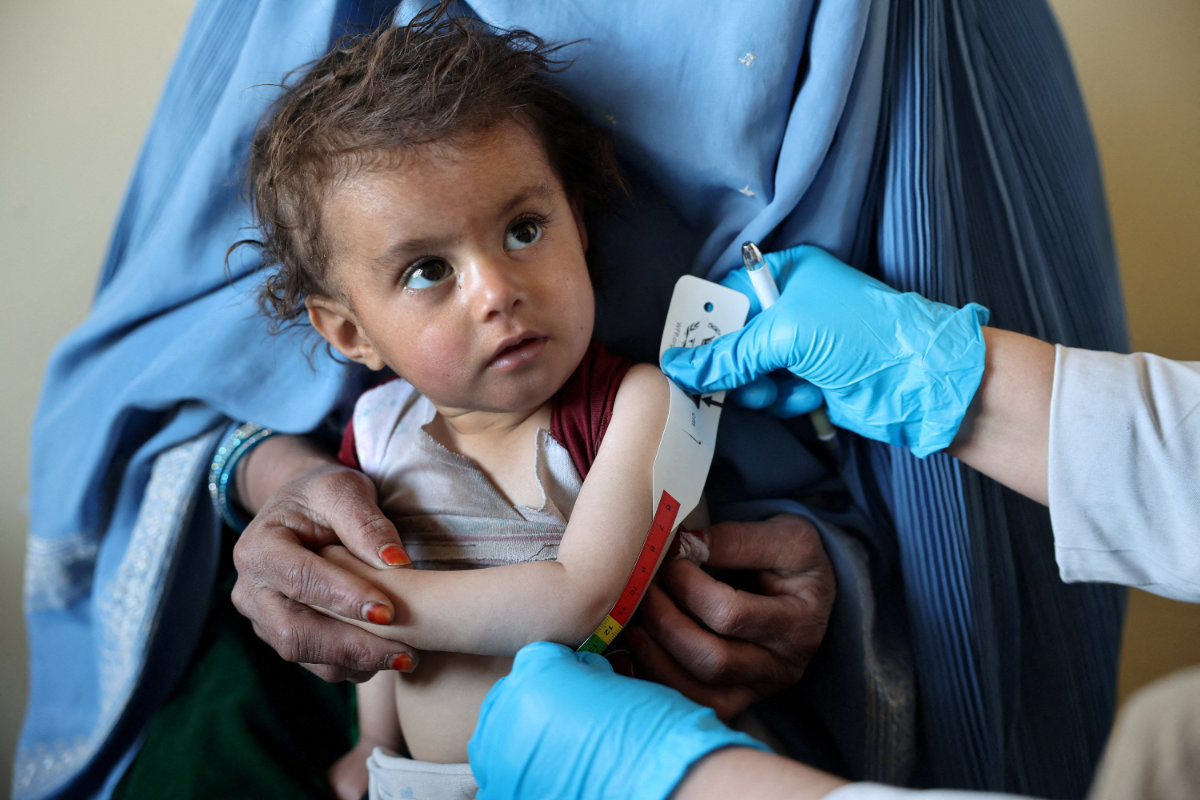
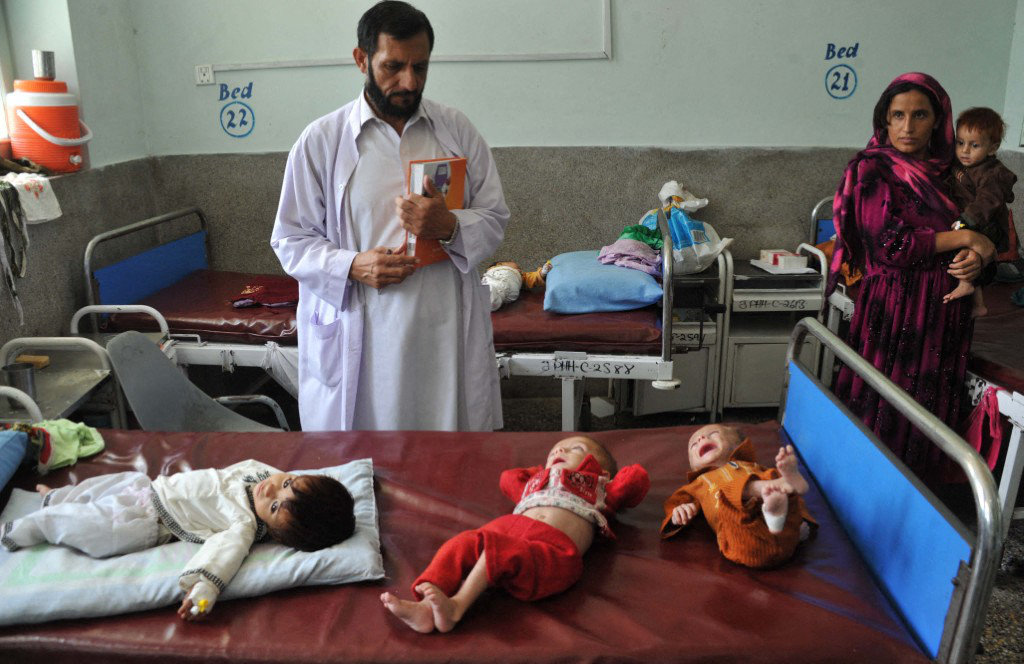
DUBAI: In overcrowded hospital wards across Afghanistan, severely malnourished children often share a single bed, their emaciated bodies little more than bone beneath stretched skin.
Exhausted mothers wait beside them, many struggling with malnutrition themselves. For some children, recovery will take weeks. For others, it might come too late.
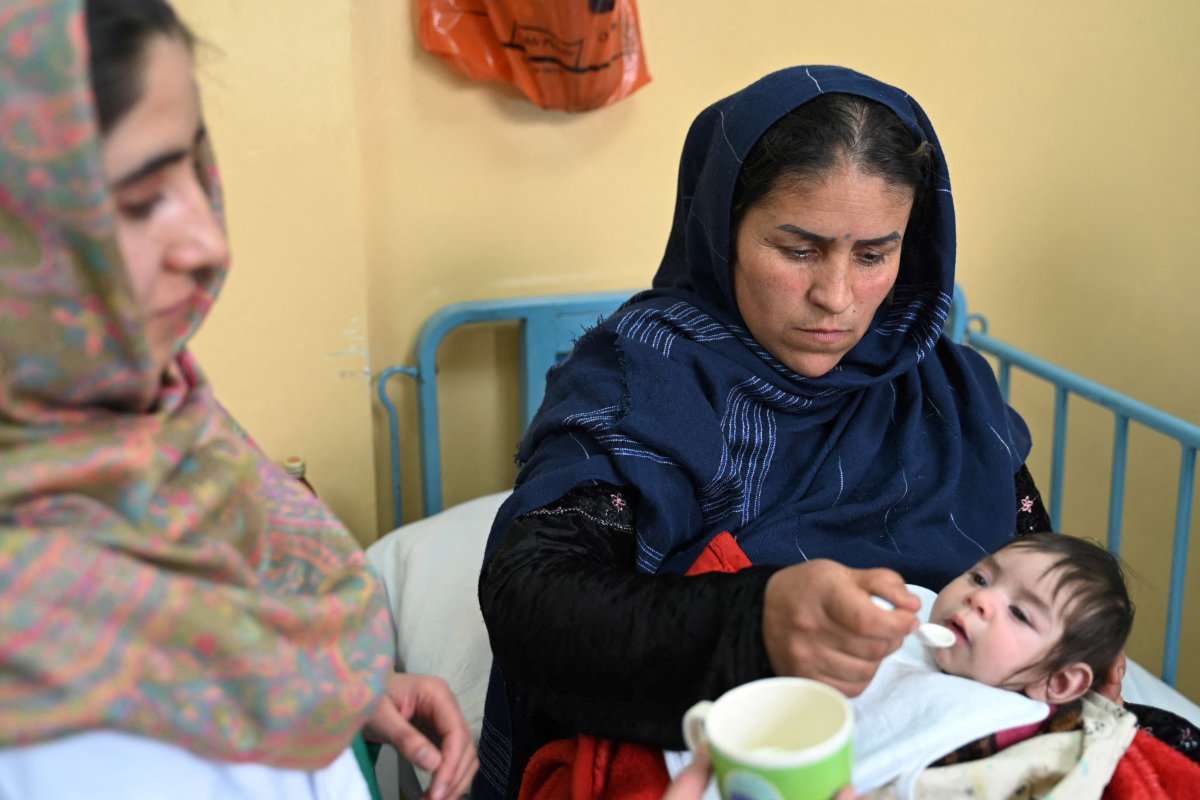
Their diet consists of little more than bread soaked in tea, sometimes watered-down yogurt, a combination that might quieten the hunger but not nourish a growing child.
For officials from UNICEF, the world body’s children’s fund, these wards have become a barometer of a worsening nutrition crisis.
Afghanistan has endured years of conflict and humanitarian crises. The annual surge in child malnutrition cases usually occurs during the latter half of the year, but in 2026, it arrived months earlier, raising fears that the country is entering one of its most severe nutrition emergencies.
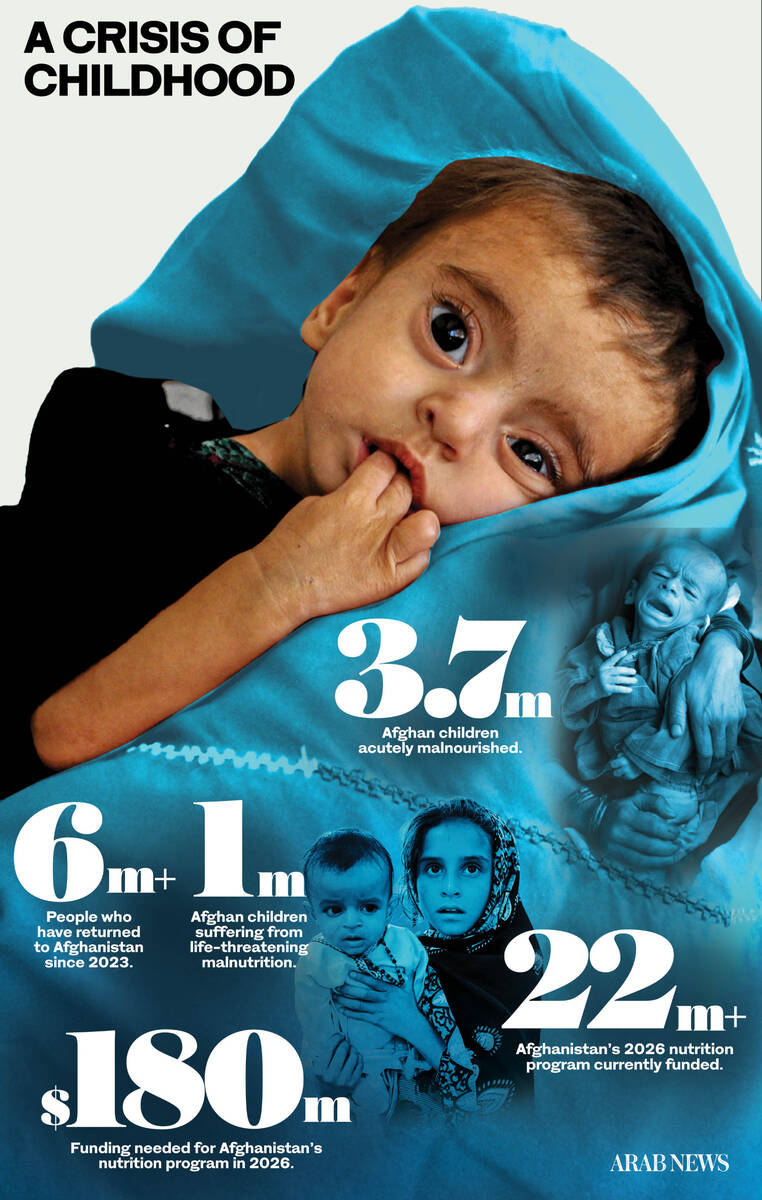
Across Afghanistan, 3.7 million children are acutely malnourished, while 1 million are suffering from life-threatening severe acute malnutrition, according to a UNICEF report this week.
The crisis is a result of several coinciding pressures that have converged onto an already struggling population.
“I think the first factor is that the availability of different kind of food item that is required for children to be fed in terms of preparation and food practices is an issue,” UNICEF representative in Afghanistan, Dr. Tajudeen Oyewale, said in the report.
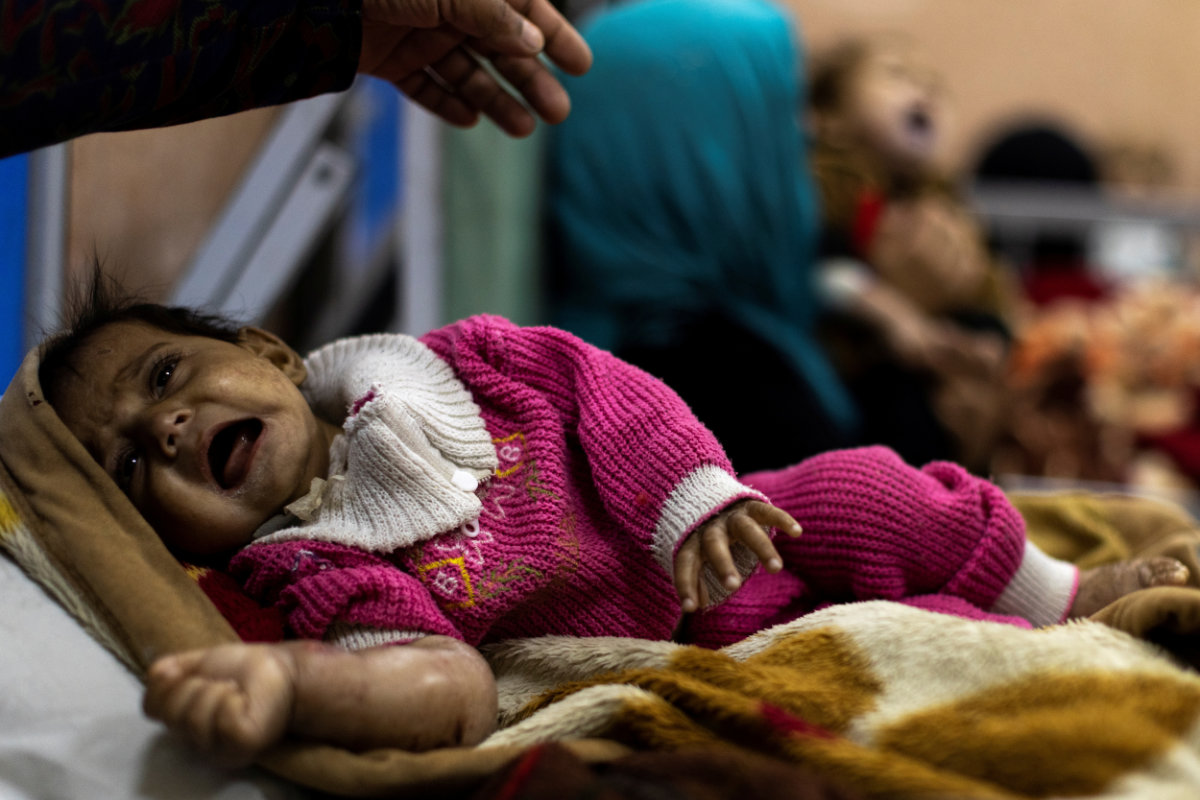
Research conducted by UNICEF found that children between 6 months and 2 years are mostly consuming food from only two of the major food groups recommended for healthy development. This lack of diversity in nutrients is occurring during the earliest and arguably the most critical years of development.
That nutritional gap is being compounded by mounting pressure on communities already struggling to meet basic needs.
More than 6 million people have returned to Afghanistan from neighboring Iran and Pakistan since 2023. Their arrival has placed an additional burden on social services that were already operating under severe pressure.
“That’s a huge number,” said Oyewale. “And when these 6 million people settle across the country, they still have to live in the same community. They still have to use the same health facility.
“They still have to share the same food. So when you have that huge number, this strain on the social services and access to food and the rest becomes more complicated, including access to water.”
For many families, the result is a painful calculation. Meals are stretched further, resources rationed. The burden is particularly visible among mothers and infants.
“What you see is a complex context,” Oyewale said.
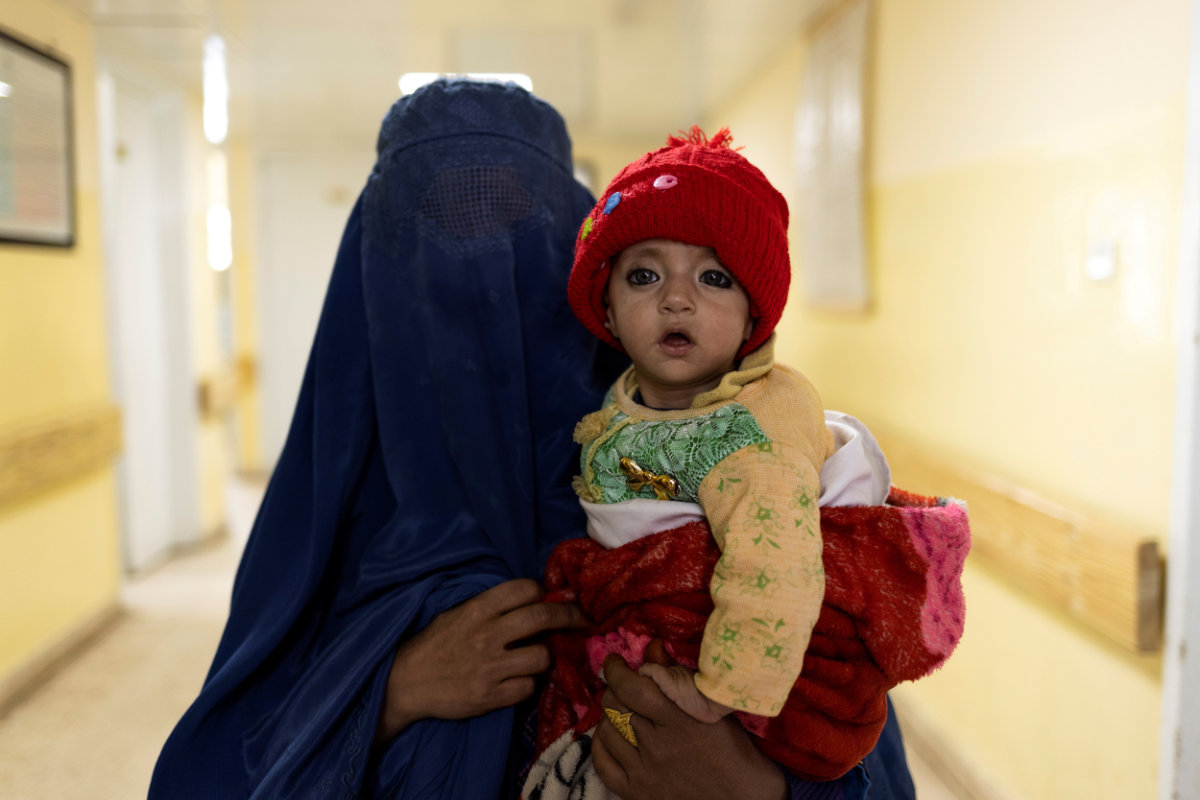
He said many pregnant women are themselves malnourished, increasing the likelihood of pre-term births and low-birth-weight babies. Those children begin life at a disadvantage, entering a cycle in which malnutrition and inadequate healthcare reinforce one another.
“Yes, there are services available in the country, in terms of antenatal care, delivery care, but the coverage of those services is strained. And then the additional population of returnees who have returned to the country has added more to the number of people that use the same available services on the ground,” he added.
The factors, however, extend beyond food. Afghanistan is increasingly vulnerable to climate-related emergencies. Years of drought have been followed by periods of excessive rainfall and flash flooding linked to El Nino weather patterns.
This has resulted in damage to agricultural land and disruption in food production. Simultaneously, water scarcity has become a growing challenge across parts of the country.
Afghanistan relies heavily on groundwater but climate change is causing water levels underground to fall deeper.
“When you go to some communities, they will tell you that three years ago, this well was producing very well but now this well is dry because the water level has gone further. They need to dig more to get the water back. So that is a big one and that’s an area that the country needs a lot of investment,” said Oyewale.
This shortage has further health implications. “When you have this issue, then you tend to see a situation whereby communities and children may be exposed to diarrhea diseases. And when children are exposed to diarrhea diseases, therefore that diminishes their nutrition status,” he added.
Repeated illness prevents children from absorbing nutrients properly, creating a cycle of sickness and hunger.
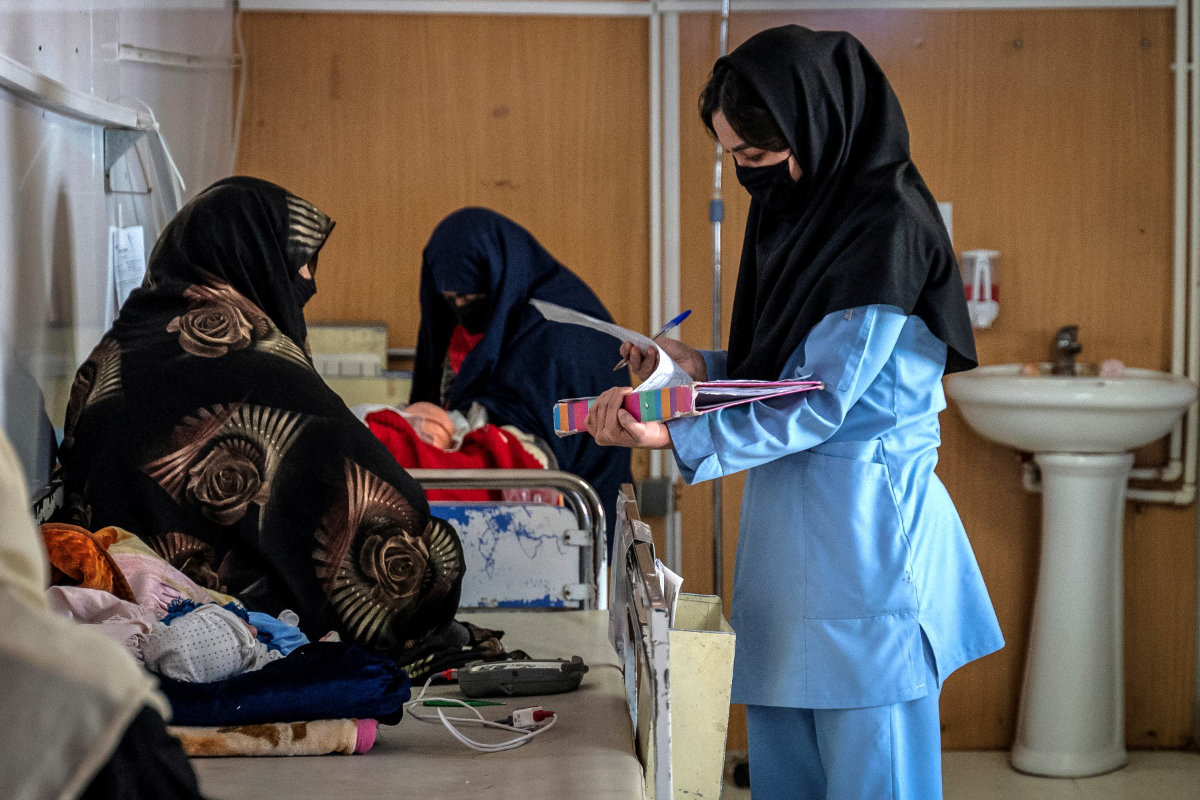
Yet as the crisis deepens, the capacity for humanitarian response is shrinking. Across Afghanistan, nutrition centers that provided preventative services and treatment have been forced to close or suspend operations because of a lack of funding.
The closures mean families have to travel further to access care and children who might have received early intervention are arriving at hospitals only after their condition has become severe.
“For malnutrition, the best option to avoid malnutrition is prevention. And that’s why there is a huge part of our program dedicated to prevention. We call it the First Foods Afghanistan,” said Oyewale.
The nutrition program in Afghanistan requires around $180 million in 2026. However, so far, it is only 22 percent funded.
This lack of funding does not only pertain to Afghanistan. There is a reduction globally in humanitarian funding. The UN’s regular budget for 2026 has been reduced to $3.45 billion, which is $270 million less than 2025.
“For us, in Afghanistan, we are seeing that trend over time and this is one of the reasons why we are making this outreach globally,” he said.
“As the world makes prioritization on investment, that the children of Afghanistan should be remembered, because they are also in need of humanitarian assistance and support.”
“The first thing we will need will be flexible financing to the actors working on nutrition in the country so that we could expand coverage of services,” he added.
Oyewale said UNICEF can reach families. Their main priority is to expand nutrition services, ensure supplies of therapeutic foods and medicine, and consolidate community-based prevention programs that help families identify malnutrition before it becomes life-threatening.
“We have the science, we have the access, and we have the knowledge. Flexible financing will play a major role to allow our scale of support for children who are currently facing malnutrition.”
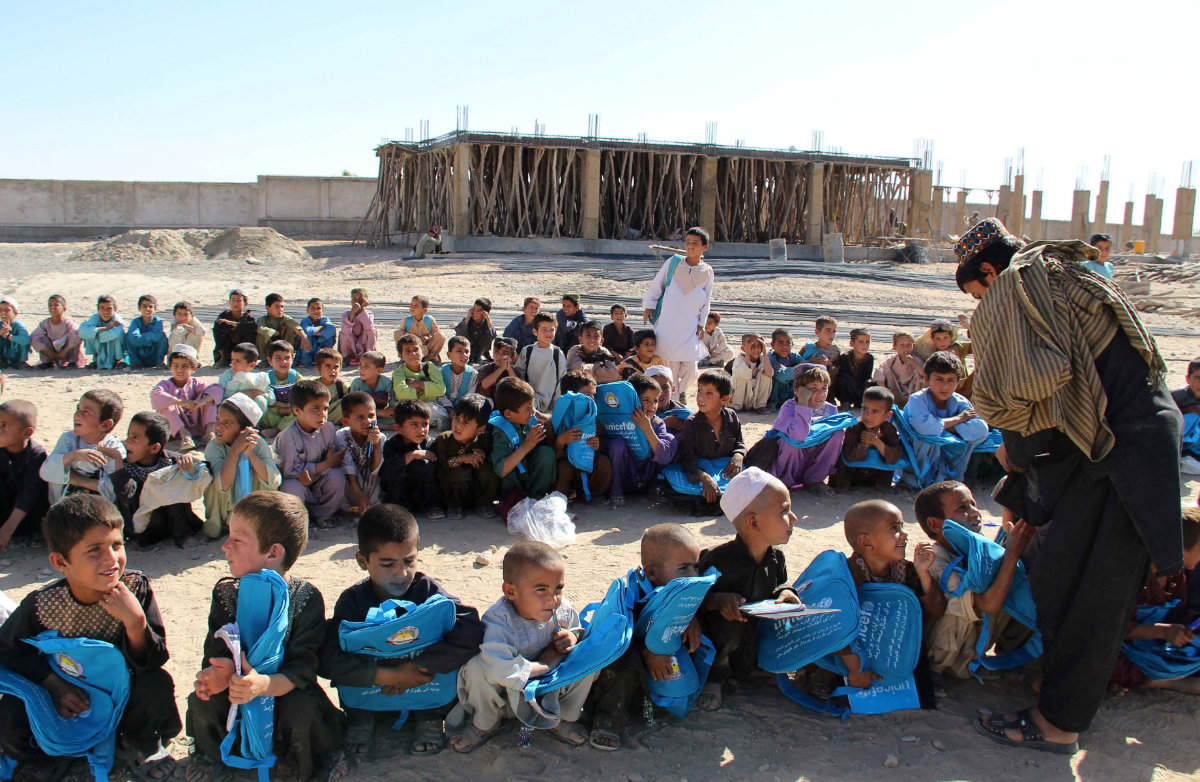
UNICEF’s latest report obscures an uncomfortable reality of the consequences of inaction, of children’s futures being shaped by forces beyond their control such as climate shocks and shrinking humanitarian support.
Vital funding is necessary to bring adequate resources to every child who needs them. Until that support arrives, hospital wards across Afghanistan will continue to fill with children suffering from a condition that the world already knows how to prevent.