- Says no extradition treaty exists between the two countries
- Islamabad says Daesh chief involved in anti-Pakistan activities
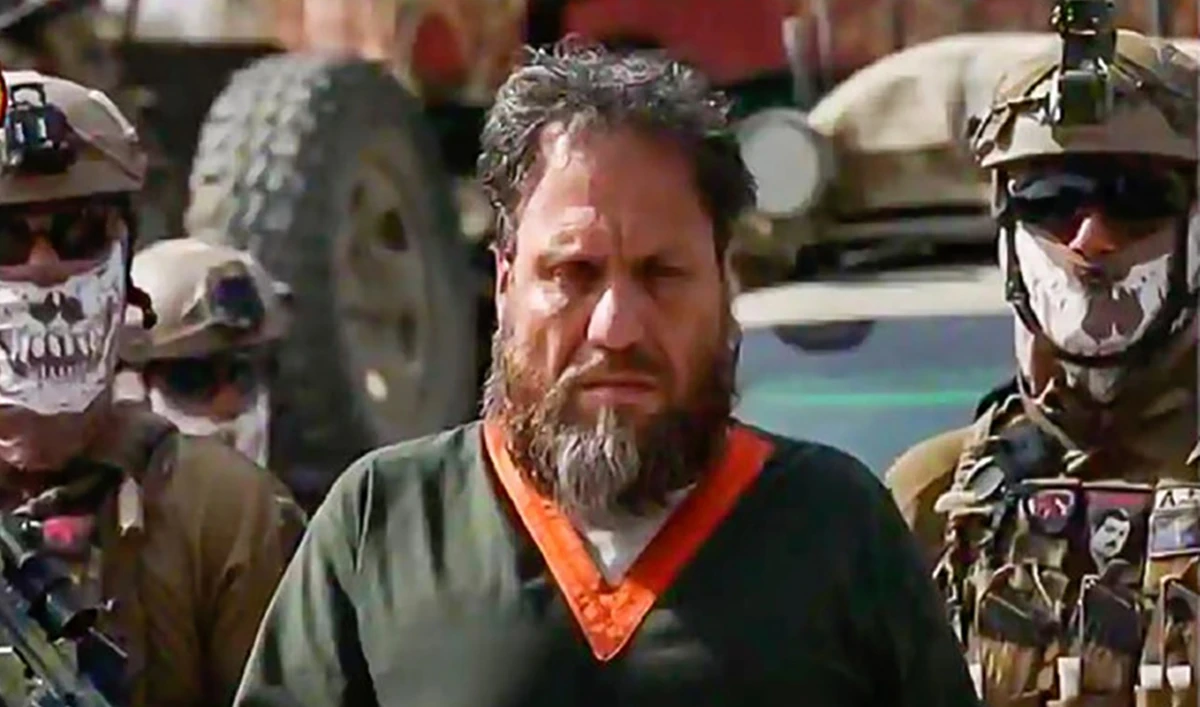
KABUL: Afghanistan on Friday turned down Islamabad’s request to hand over a Daesh leader in Afghanistan and Pakistani national, Aslam Farooqi, who was recently arrested on its soil.
On Thursday, Islamabad asked the Afghan government to hand over custody of the high ranking militant for his involvement in anti-Pakistan activities, and summoned Afghanistan’s ambassador to Pakistan, Atif Mashal, to further the extradition request.
The request was denied a day later.
“Since there is no extradition treaty between Afghanistan and Pakistan, Aslam Farooqi will be dealt with based on Afghanistan’s laws,” the Afghan Foreign Ministry said in a statement issued Friday.
“Aslam Farooqi is among the leaders of Daesh who has carried out many crimes in Afghanistan,” the statement continued and said he was responsible for the deaths of several Afghan civilians and soldiers.
Farooqi, who took over Daesh’s Khorasan chapter in July 2019, was detained by Afghan intelligence forces earlier this month and accused of a bombing at a Kabul Sikh temple which killed 25 worshippers in March. The group’s regional branch has claimed responsibility for several deadly attacks in Pakistan and Afghanistan.
Islamabad’s Foreign Office has argued that since Farooqi was involved in anti-Pakistan activities in Afghanistan, he should be handed over to Pakistan “for further investigations.”
Pakistan’s statement said the two countries “should coordinate actions against the menace of terrorism, including through established mechanisms.”
In the past few years, Afghan officials have reported killing or arresting several Daesh leaders in Afghanistan in joint raids with US-led troops in a series of relentless bombings in eastern Afghanistan.
Afghan President Ashraf Ghani and other officials have claimed they successfully wiped out Daesh in the eastern part of the country-- the bastion of the group near the Durand Line, a lawless and porous region that forms the border between Pakistan and Afghanistan.
Despite these claims, Daesh claimed responsibility for two deadly attacks in Kabul in the past two months and, more recently, for a rocket strike on Bagram airfield – America’s significant military base to the north of Kabul.
Afghan officials have not specifically named any of the raids in which Farooqi was implicated, but hours after his arrest, first Vice President Amrullah Saleh termed it a “massive victory” and a “treasure of intelligence,” suggesting the national spy agencies would have to use special tactics to “make him talk.”
However, Afghan Taliban spokesman Zabihullah Mujahid told Arab News on April 7 that Farooqi had turned himself in to Afghan authorities himself, while seeking shelter from a Taliban siege against a group of Daesh fighters in Afghanistan’s northeastern Kunar province.
“The government forces have given him shelter, and now they take credit and are claiming his arrest,” Mujahid claimed.