- French environmental services group’s partnerships with Acwa Power, mining company Ma’aden and energy-infrastructure business Khazeen support goals of Saudi Vision 2030
- Its ambition is to be ‘a strategic and sustainable partner to the Kingdom in its industrial and environmental transformation,’ says executive Philippe Bourdeaux
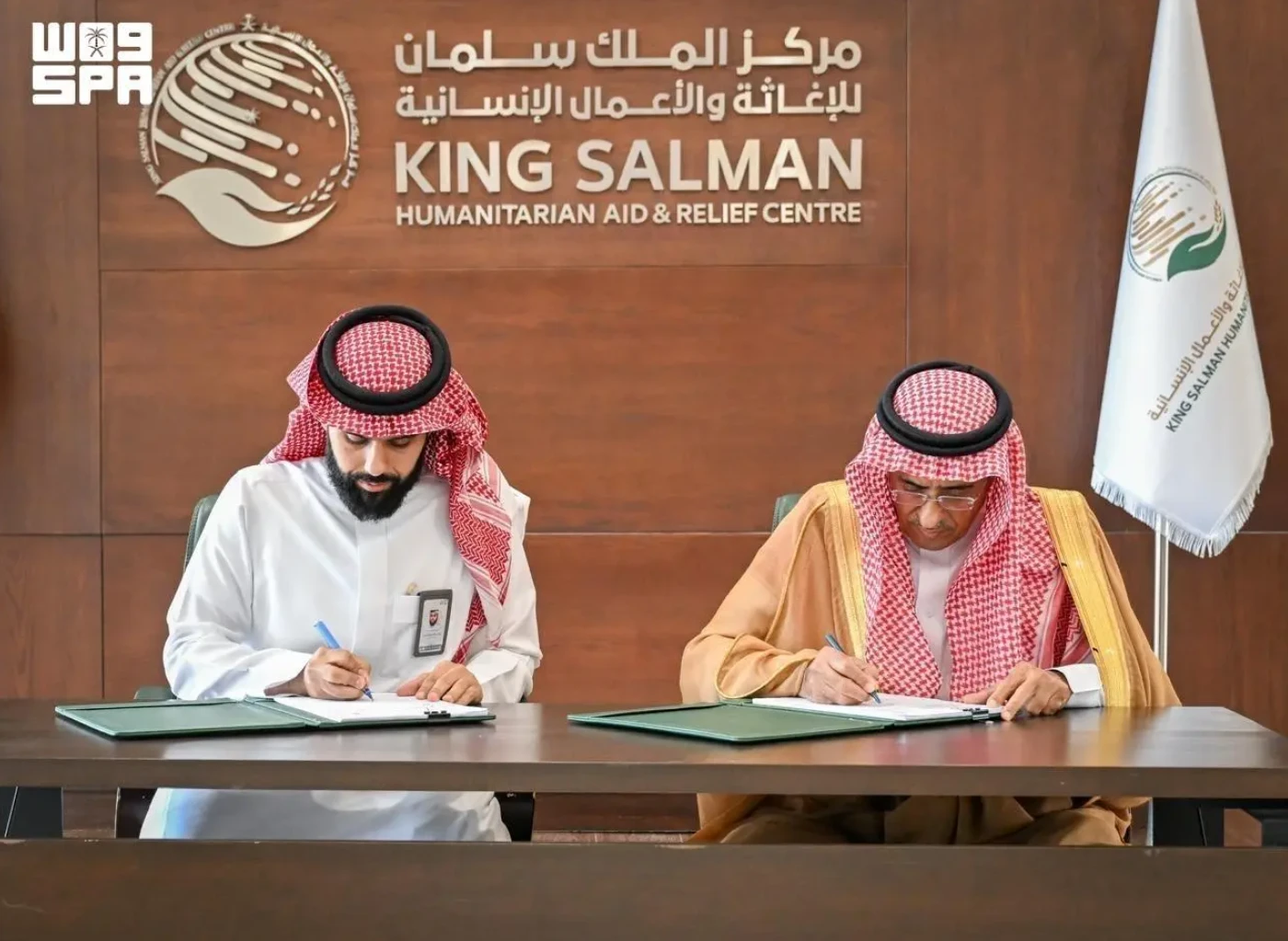
DUBAI: The French environmental services group Veolia on Friday signed three memorandums of understanding with the Saudi businesses ACWA Power, mining company Ma’aden, and energy-infrastructure company Khazeen for the expansion of cooperation in water management, waste treatment and decarbonization.
“Veolia’s ambition in Saudi Arabia is to continue to establish itself, over the long term, as a strategic and sustainable partner to the Kingdom in its industrial and environmental transformation, driven by Vision 2030,” said Philippe Bourdeaux, the company’s executive senior vice president for Africa and the Middle East.
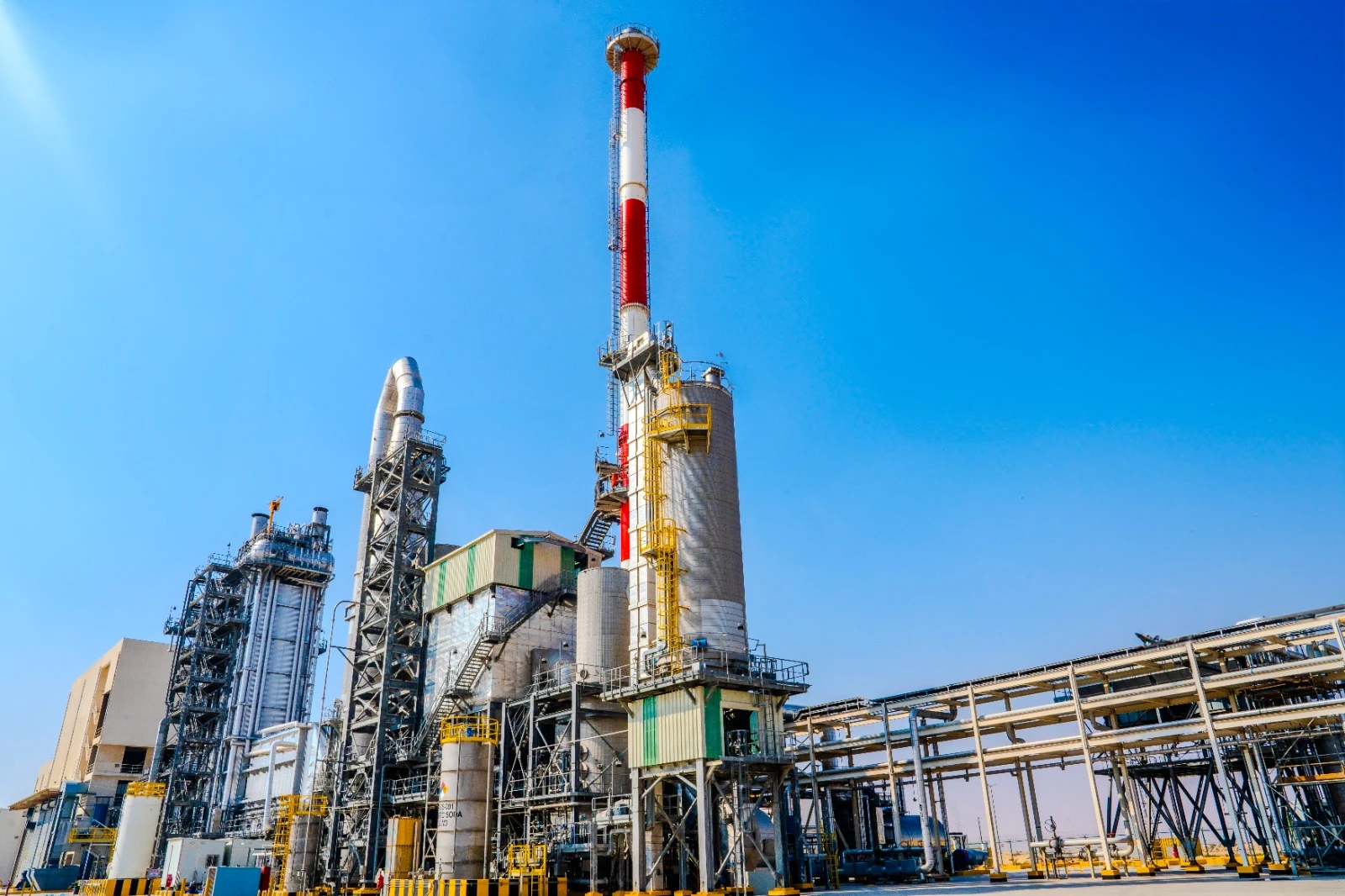
Under the agreement with Acwa Power, Veolia aims to improve the performance of desalination plants through greater energy efficiency, optimized use of chemicals, and the deployment of digital technologies. Acwa has a desalination capacity of 9.7 million cubic meters a day, and Veolia said the planned improvements could reduce carbon dioxide emissions by up to 500,000 tonnes each year, while lowering operating costs.
The partnership with Ma’aden will focus on improving industrial water treatment and reuse, reducing waste, and recovering materials from industrial residuals.
Through the collaboration with Khazeen, a subsidiary of Gasco that specializes in the storage and handling of liquefied petroleum gas, Veolia intends to explore the deployment of industrial water-treatment and hazardous-waste technologies, as well as integrated services covering water, energy and waste.
Veolia also plans to continue investing in Saudi industrial infrastructure, including its Tahwil hazardous waste treatment facility in Jubail Industrial City, and a new industrial wastewater treatment project for the Saudi Aramco Total Refining and Petrochemical Company, a joint venture between Aramco and TotalEnergies, also in Jubail.
· 3 agreements with ACWA Power, Ma’aden and Khazeen
· 9.7 million cubic meters a day of desalination capacity for ACWA Power
· Up to 500,000 tons of CO2 avoided per year
· 50 years of Veolia’s presence in Saudi Arabia
· Water, waste, decarbonization and local skills at heart of the partnerships
Bourdeaux said demand in the Kingdom had shifted over the past decade from basic utility services toward more complex, integrated and technology-driven water- and waste-management solutions.
The company was also promoting mobile water-treatment units that can be deployed during breakdowns, maintenance or temporary treatment needs, alongside digital tools for monitoring facilities and optimizing water and energy use, he added.
Veolia said its Hubgrade platform enables real-time monitoring of water, energy and waste and helps identify potential problems, its ZeeWeed filtration membranes support the reuse of wastewater, and its electrodeionization technology is designed to meet demand for ultrapure water in sectors such as energy, data centers and hydrogen production.
The company’s CEO, Estelle Brachlianoff, said environmental security had become essential to the sovereignty, competitiveness and strategic autonomy of territories.
Veolia, which has operated in Saudi Arabia since 1975, said it also aimed to increase the proportion of Saudi nationals in technical, operational and managerial roles with the company through training and career development.
“By combining its international expertise with local partnerships, particularly in training Saudi talent and progressively localizing equipment, Veolia can help reduce the carbon footprint of industrial sites while strengthening their resilience,” Bourdeaux said.
The company said it foresees further opportunities in mining and mineral processing, petrochemicals, desalination, wastewater reuse and hazardous waste management, as well as major urban and tourism developments. It is also exploring the use of artificial intelligence, connected sensors and digital twins (live, virtual models that mirror a real-world physical object, system or process in real time) for predictive maintenance, leak detection, energy optimization and water-quality monitoring.
Bourdeaux said the success of the transition would depend on coordination between public authorities, industry and local stakeholders, as well as the development of Saudi talent, and demonstrating that decarbonization can support the Kingdom’s competitiveness and economic diversification.
The three agreements finalized on Friday support the goals of the Saudi Vision 2030 plan for national development relating to diversification of the economy, the preservation of natural resources and development of a circular economy, as industrial expansion increases demand for water and energy, officials added.