- Pakistan has more than 20 days of petrol and diesel stocks, petroleum ministry official says
- Refineries secure crude through October, warn of higher prices, supply challenges in November
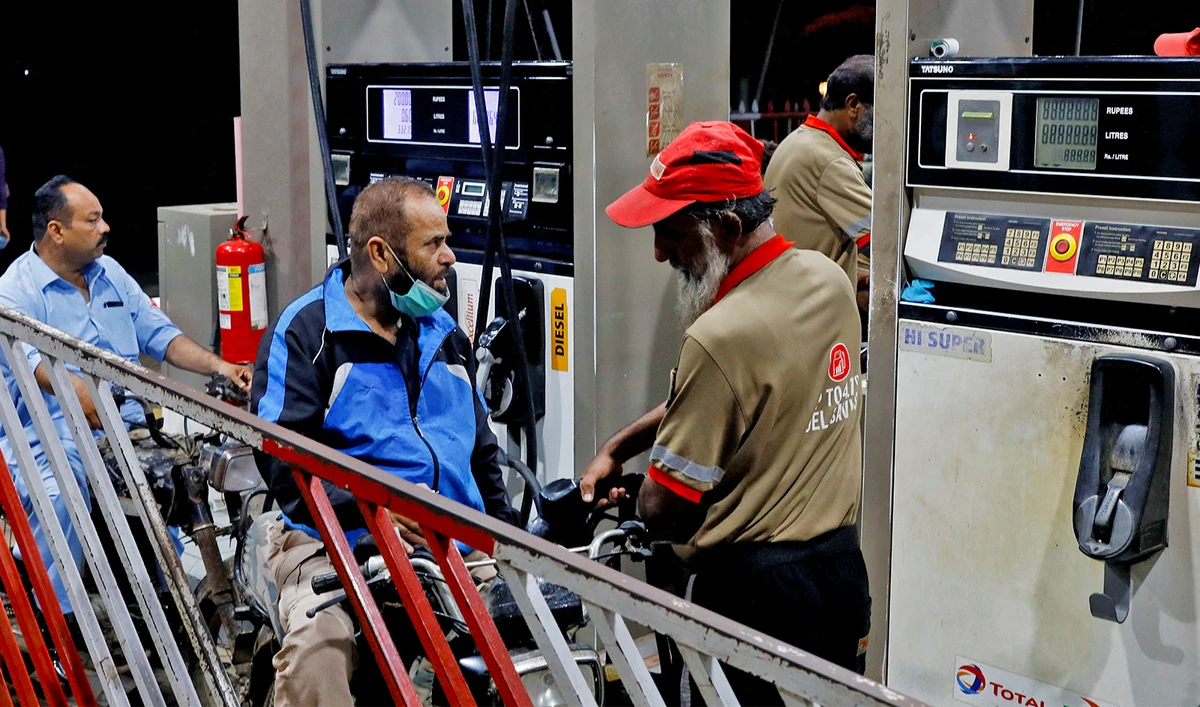
ISLAMABAD: Pakistan has sufficient petroleum stocks to meet domestic demand for more than 20 days despite disruptions affecting global energy supplies, the Petroleum Division said this week, while industry officials warned that securing crude and refined fuel cargoes could become increasingly difficult and expensive in the coming months.
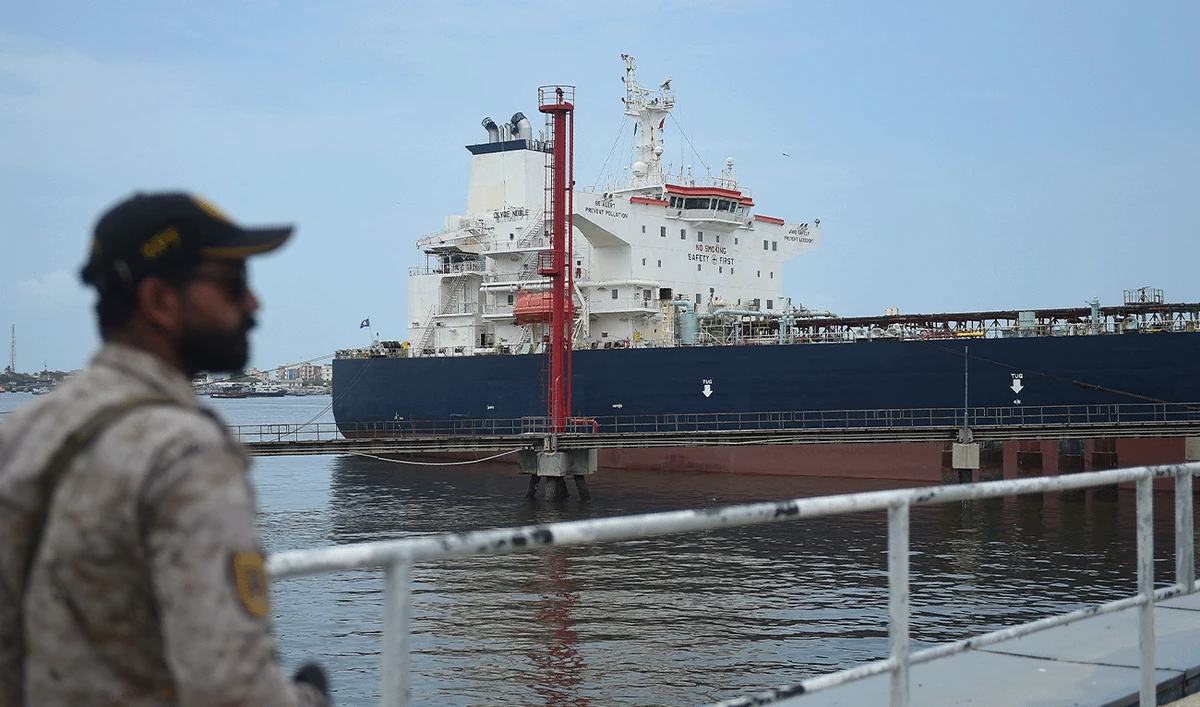
The government’s assessment comes as Houthi attacks on Saudi Arabia threaten shipping through the Bab el-Mandeb Strait, a Red Sea route Pakistan has increasingly relied on for crude supplies since the Strait of Hormuz was effectively closed by the US-Iran conflict.
The crisis has pushed global oil prices higher, forcing Pakistan to raise domestic petroleum prices as well.
“Everything will be fine,” Additional Secretary Petroleum Zafar Abbas told Arab News. “We will manage the supply of crude from the Red Sea and from West Africa.”
“Supply from Bab-al-Mandab is not disrupted right now,” he added. “It is going on.”
Abbas said Pakistan was also importing refined petrol from Singapore and currently had petroleum stocks for more than 20 days, above the minimum requirement prescribed by the Oil and Gas Regulatory Authority (OGRA).
“Under OGRA conditions, we must have 20 days’ stock for diesel and petrol,” he said. “We have managed it above that by the grace of God. As a result, we had no supply issue.”
Pakistan’s five refineries have a combined capacity of around 450,000 barrels per day, Abbas told a parliamentary committee on Thursday. They meet around 70 percent of the country’s diesel requirements and 30 percent of petrol demand, with the remainder imported.
Pakistan produces around 63,000 to 64,000 barrels of crude oil domestically per day and imports approximately nine million metric tons annually, mostly from the Gulf region, Abbas said.
The country has largely avoided importing refined diesel since June, barring one cargo in early August, as the government increased crude supplies to local refineries to maximize domestic processing of diesel when international supplies became constrained.
“We did an alternative and maximized our crude oil supply,” Abbas said. “Because we have the capacity to produce more diesel locally. We have 70 percent local production capacity.”
He said the government had maintained supplies despite volatility in international crude prices, with the Dubai crude benchmark rising from around $71 per barrel on Feb. 28, when US-Israeli strikes on Iran began, to $125 on March 6.
OCTOBER COVERED, NOVEMBER UNCERTAIN
Cnergyico Pk Limited Vice Chairman and Executive Director Usama Qureshi said Pakistani refineries were operating at optimal levels and had already booked crude cargoes for September and October.
He said Cnergyico had diversified its crude sources, receiving more supplies from the US and West Africa and less from the Gulf, while the industry had made contingency arrangements for October.
“We are hopeful that the situation will not deteriorate significantly,” Qureshi said. “Given the current regional situation and ongoing conflict, refineries have made contingency arrangements for October.”
He said Cnergyico had two crude cargoes scheduled to arrive from the US and West Africa and did not expect the longer supply routes to have a significant impact on its overall gross refining margins.
The industry had also made alternative arrangements involving larger vessels and ship-to-ship transfers, Qureshi said.
“November, however, remains a concern,” he added. “The prices currently being quoted for November supplies are significantly higher, and securing supplies for that month remains a challenge.”
DIESEL PRESSURES
The Oil Companies Advisory Council (OCAC), which represents Pakistan’s downstream oil industry, also cautioned that supplies could come under pressure if sufficient crude cargoes were not secured, particularly as diesel demand traditionally rises during the October-December harvesting season.
OCAC Secretary General Syed Nazir Abbas Zaidi said the government was working to arrange supplies from alternative sources.
“The availability of diesel will depend on how many crude oil cargoes arrive in Pakistan in October,” Zaidi said.
“The more crude oil cargoes we receive, the more diesel we will be able to produce domestically,” he added. “Otherwise, Pakistan will have to import refined diesel from the open market, which would be very expensive.”
COSTLIER PETROL IMPORTS
An industry insider, speaking to Arab News on condition of anonymity, said Pakistan had traditionally relied heavily on crude supplies from Saudi Arabia and the United Arab Emirates, but shipping disruptions were making regular cargoes more difficult to maintain.
“Ensuring monthly crude imports of around 0.8 million barrels has now become increasingly difficult when Red Sea shipping routes are disrupted, particularly supplies through Yanbu port,” the source said.
Pakistan may consequently have to source more petrol from markets farther afield, including Singapore, Central Asia and Russia, increasing transportation and freight costs.
The country consumes around 21,000 metric tons of petrol a day, according to the source, while local refineries meet roughly 30 percent of demand.
“Fujairah has traditionally been a major trading hub and source for petrol supplies to Pakistan,” he said. “However, currently, Oman is the only major nearby source of refined petrol.”
“Since March, Pakistan’s supplies have largely been coming either from the Far East [Singapore] or Oman, but Far Eastern supplies are significantly more expensive because of higher freight costs,” the source added. “Oman itself has substantial domestic demand, which also limits the availability of refined petrol for export.”
The industry source also said Pakistan’s liquefied natural gas (LNG) supply chain had been exposed to disruption around the Strait of Hormuz, making it difficult for Qatar to supply fuel used for power generation, fertilizer production and industry.
However, other industry stakeholders maintained the government was reviewing developments on a daily basis and working to secure supplies.
“At present, the industry does not anticipate any major supply issues through October,” Qureshi, the top Cnergyico official, said.