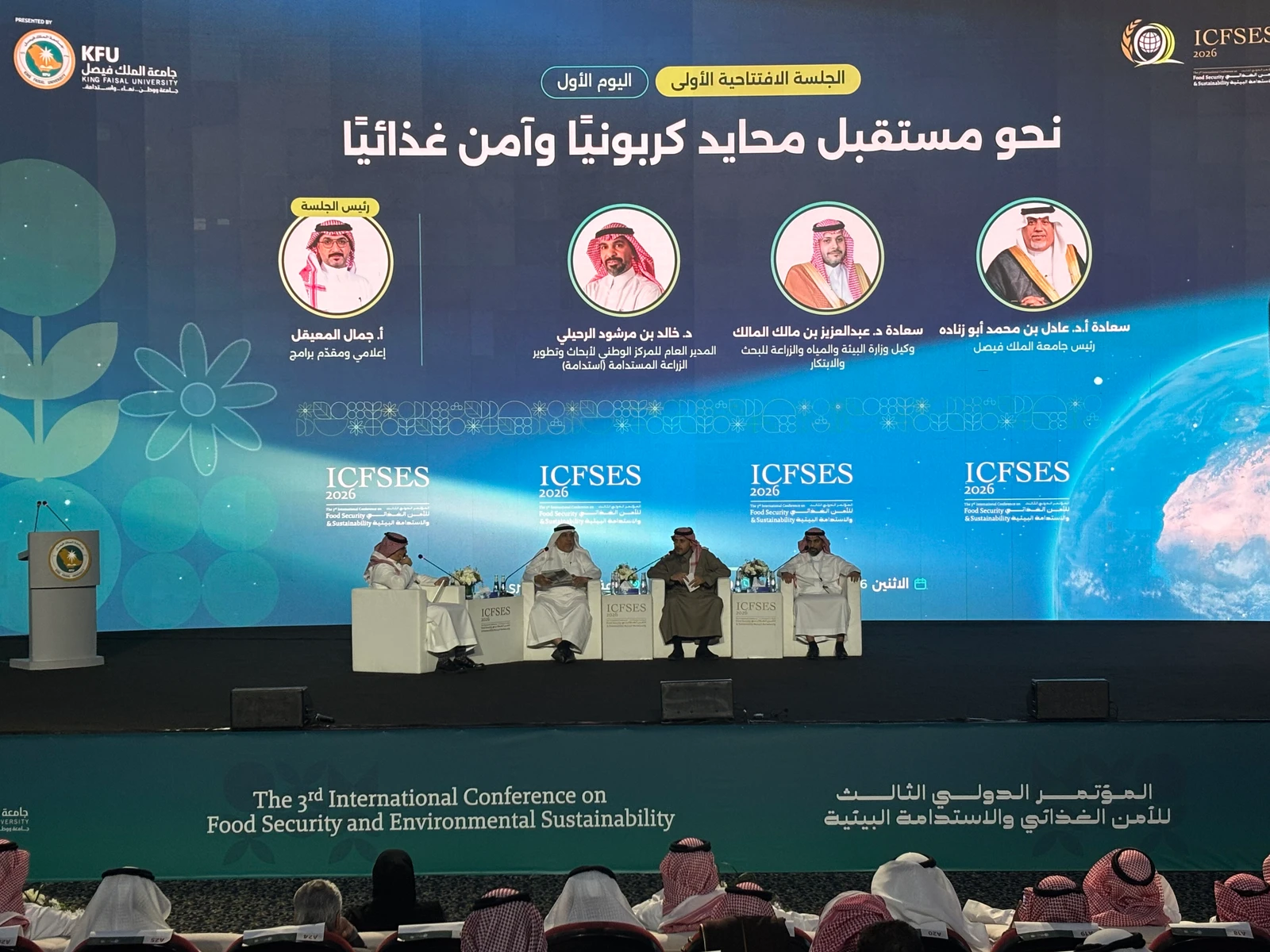
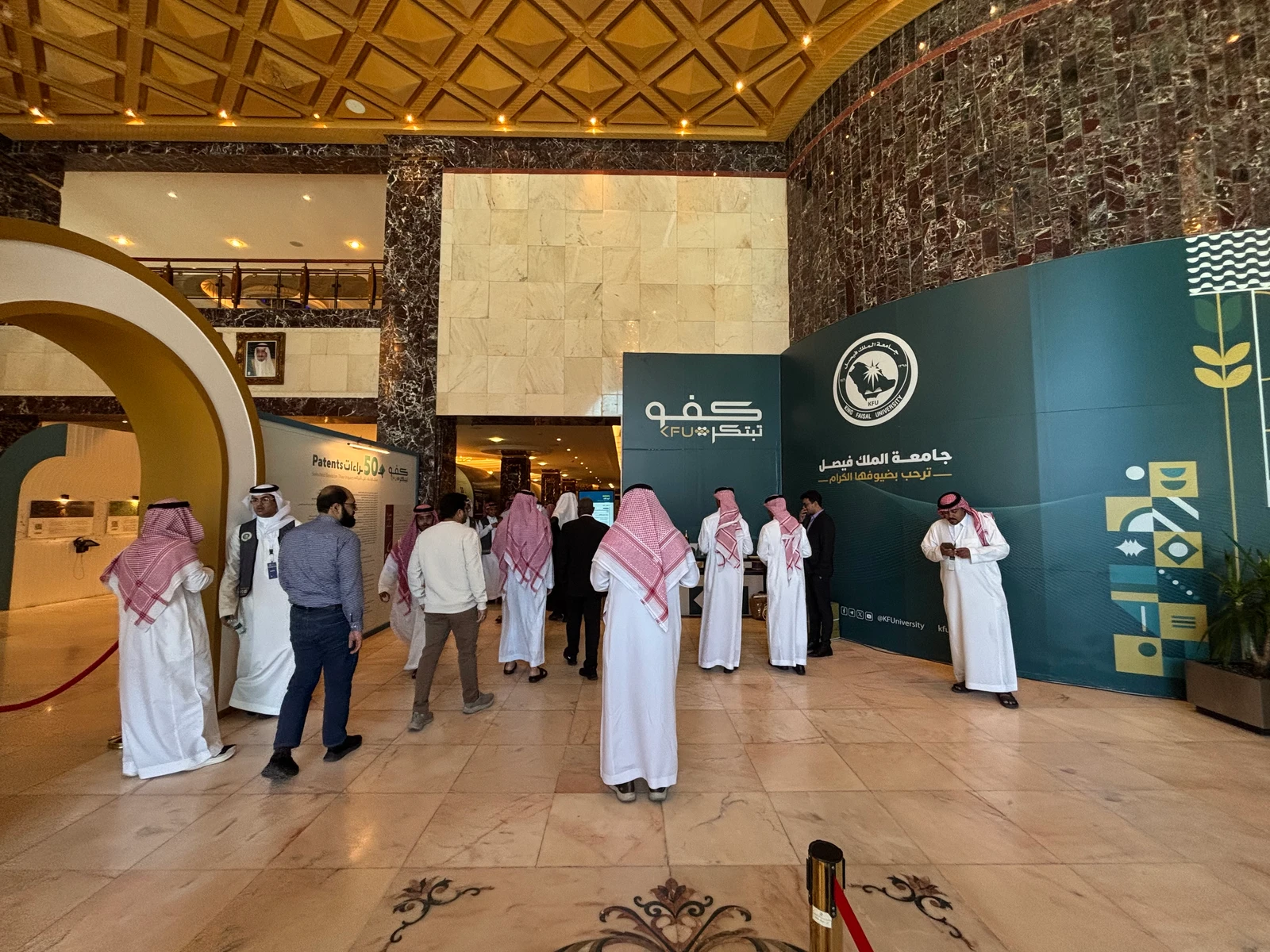
- The third International Conference on Food Security and Environmental Sustainability was hosted by King Faisal University from Nov. 16-18 in Al-Ahsa
- Key topics included the use of artificial intelligence in food security, precision agriculture, smart supply chains, and investment in the Saudi date industry
AL-AHSA: Turning food-security research into projects with measurable results within a year is among the ambitions of an international conference that brought researchers, policymakers and industry leaders to Al-Ahsa this week.
The third International Conference on Food Security and Environmental Sustainability was hosted by King Faisal University from Nov. 16-18 under the patronage of Eastern Province Gov. Prince Saud bin Naif.
The three-day event focused on artificial intelligence in food security, environmental sustainability and carbon capture, with discussions ranging from precision agriculture and robotics to smart supply chains, ethical data governance and investment in the Saudi date industry.
But Ahmed Saud Al-Saqufi, dean of the university’s College of Agricultural and Food Sciences and chairman of the conference’s scientific committee, said its real measure of success would come afterwards.
“We expect the most important outcome of the conference to be the launch of a national applied initiative for food security and environmental sustainability, moving from research findings and scientific recommendations to projects that can be implemented and measured,” he told Arab News.
The conference included two opening sessions, 14 scientific sessions, eight workshops, a companion exhibition and a hackathon. It brought together 66 speakers and experts, including 14 international speakers, alongside 82 accepted scientific abstracts and 22 session moderators.
Contributors included the UN Food and Agriculture Organization, King Abdullah University of Science and Technology, King Abdulaziz City for Science and Technology, France’s INRAE, the University of Roehampton and the University of Messina, as well as Saudi government bodies and national companies.
Artificial intelligence featured throughout the program, with applications ranging from climate-resilient agriculture and food processing to predictive logistics and environmental monitoring.
Al-Saqufi said precision agriculture and AI-based irrigation management were among the applications most ready for wider adoption in Saudi Arabia.
“With limited water resources and rising production costs, there is a real need to move from traditional agricultural practices toward agriculture based on data and intelligent decision-making,” he said. “We do not need to wait for the technologies of the future. We need to use the technologies available today, adapt them to our climatic and agricultural conditions, and turn them into economic solutions that benefit Saudi farmers.”
“The real success of artificial intelligence in agriculture is not in the number of robots we use, but in the amount of water we save, the production we increase and the costs we reduce.”
Al-Saqufi said universities needed stronger links with government institutions and industry to put research into practice: “The real challenge is not producing knowledge or drafting recommendations, but having an institutional mechanism that ensures this knowledge moves from the university to the beneficiaries and is transformed into decisions and projects on the ground.”
He added that conference recommendations should be translated into defined initiatives rather than broad statements, with each linked to clear objectives, performance indicators and an implementation timeframe. Priority research should also be connected to funding programs and pilot projects so that solutions can be tested and their feasibility assessed before wider deployment.
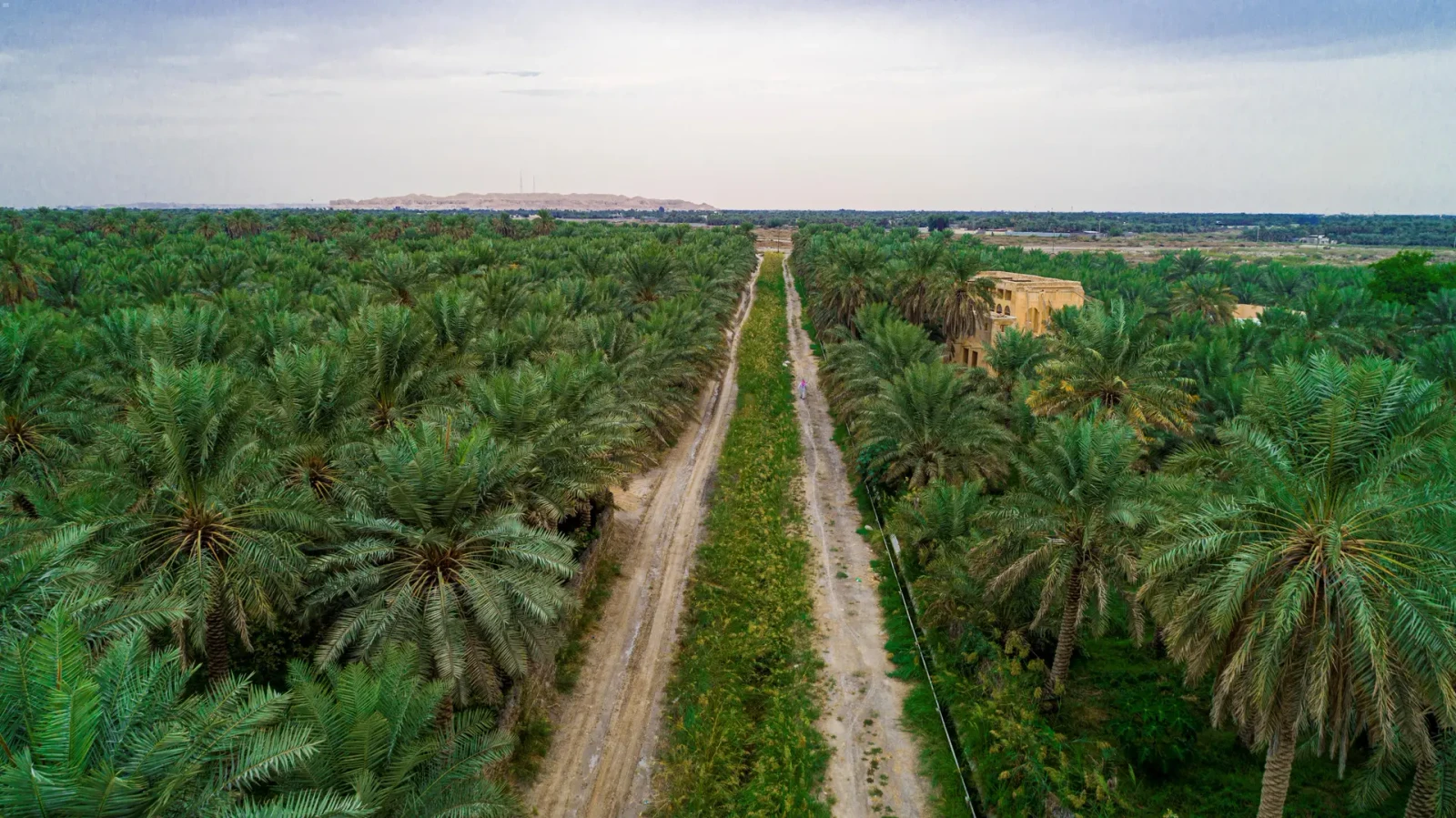
That emphasis on application is particularly relevant in Al-Ahsa, which the conference presents as a potential national testing ground for sustainable agriculture. The oasis combines a long agricultural history with conditions that pose practical challenges for farming, including high temperatures, limited water resources, soil salinity and intensive agricultural production.
“We believe Al-Ahsa has a major opportunity to become a national laboratory for sustainable agriculture,” Al-Saqufi said, adding that King Faisal University could help test agricultural solutions and train Saudi specialists to apply them.
“Our ambition is for Al-Ahsa to become a source of sustainable agricultural solutions, not only a food-producing region, and for its experience to be transferred to different parts of the Kingdom,” he said.
The program reflected the conference’s broad approach to technology and sustainability. Workshops also examined the use of AI in nutrition, food quality and public health, as well as digital sustainability and its integration with Vision 2030.
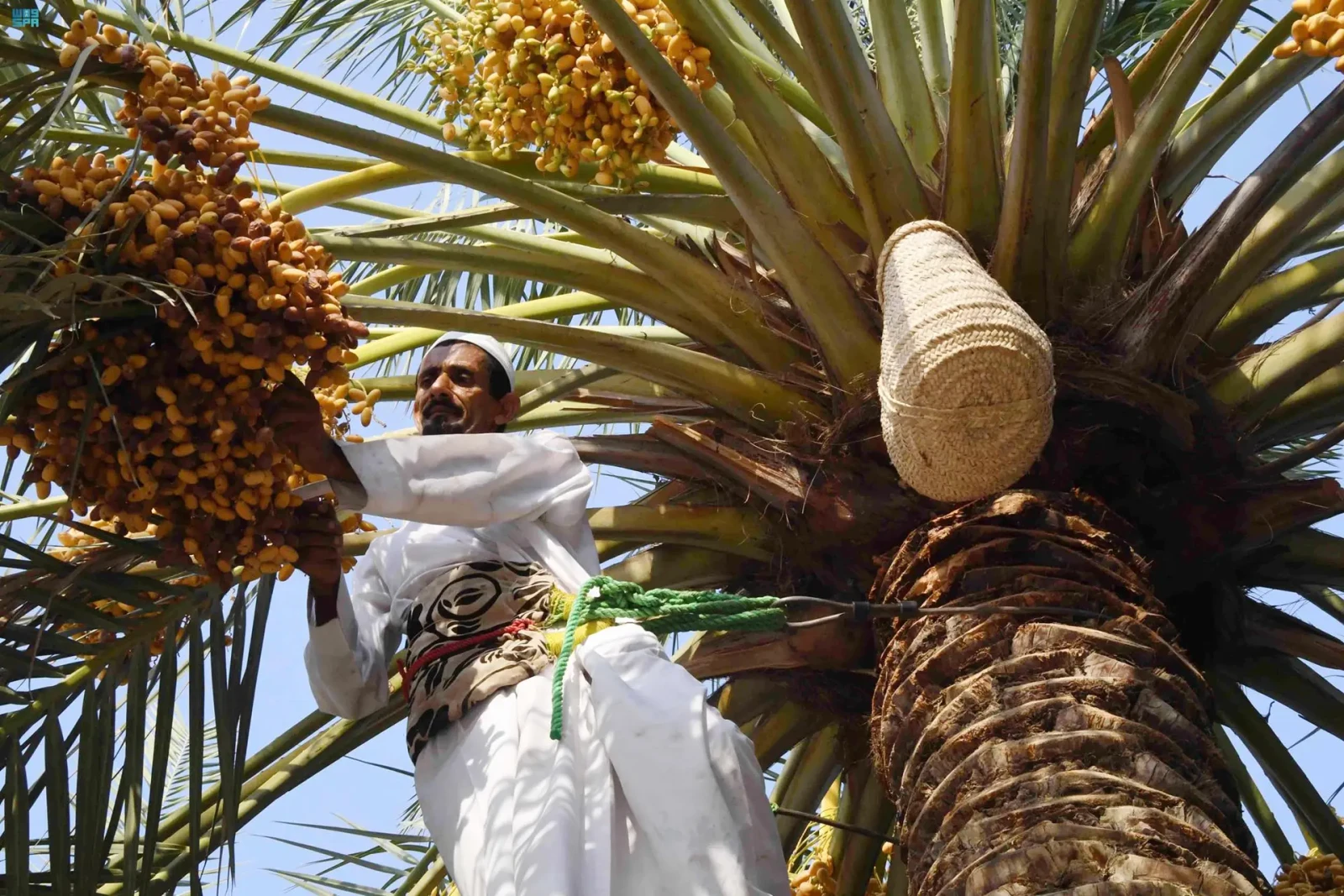
The conference's final day focused partly on investment opportunities in Saudi Arabia's date industry, with discussions covering global competition, manufacturing innovation, financing and supply-chain development.
For Al-Saqufi, linking research with investment, government institutions and the private sector will determine whether the work presented during the conference moves beyond the university.
“We want, after a year, to be able to point to a tangible result, not simply recommendations or scientific papers published after the conference,” he said.
“We want to say that ICFSES 2026 succeeded in turning scientific knowledge into three leading applied projects in food security and environmental sustainability that started in Al-Ahsa and began implementation through partnerships between King Faisal University, government entities and the private sector.”