- Achievement comes as Saudi Arabia continues to expand use of advanced technologies in healthcare as part of transformation agenda
RIYADH: Saudi Arabia has performed its first robot-assisted breast reconstruction surgery, marking a milestone in the Kingdom’s adoption of advanced medical technologies.
The procedure was carried out at Security Forces Hospital in Riyadh on a 43-year-old woman who had previously undergone a nipple- and skin-sparing mastectomy following a breast cancer diagnosis.
A specialized surgical team used robotic techniques to reconstruct the breast, transferring skin and fatty tissue from the patient’s abdomen to her chest through microsurgery.
According to the hospital, the robotic approach allows surgeons to perform the delicate procedure through smaller incisions, helping preserve the abdominal wall and reduce complications associated with conventional surgery, including hernias and abdominal bulging. The technology also improves surgical precision and may support faster recovery.
Breast cancer is the most commonly diagnosed cancer among women worldwide, and reconstruction is increasingly recognized as an important part of post-cancer care. Advances in the field aim not only to restore physical appearance but also to improve quality of life, shorten recovery times and reduce surgical complications.
Breast reconstruction is an important part of recovery for many women who undergo mastectomies, helping restore physical well-being, self-confidence and quality of life after cancer treatment.
The achievement comes as Saudi Arabia continues to expand the use of advanced healthcare technologies as part of its Vision 2030 transformation agenda.
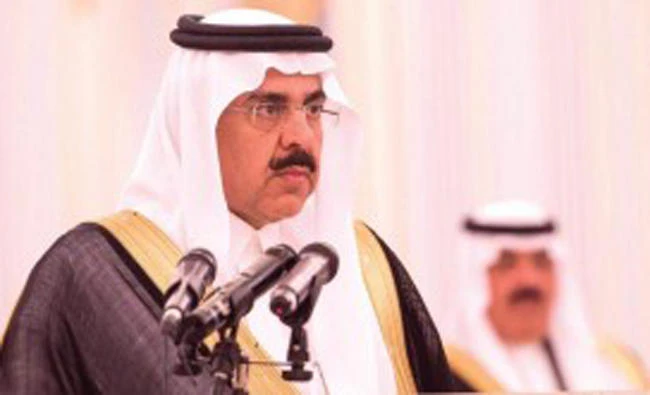
Fadhel Al-Buainain, a member of the Shura Council, said the operation demonstrated the capabilities of Saudi medical professionals and the progress made in integrating advanced technologies into healthcare.
“The medical services division possesses distinguished national competencies and advanced technologies that enable doctors to perform highly specialized procedures,” Al-Buainain said.
He added that integrating robotics strengthened medical capabilities and increased confidence among healthcare providers and patients.
Al-Buainain described the procedure as an example of the Kingdom’s wider efforts to localize advanced technologies and build self-reliance in strategic sectors.
“The localization of robotics serves two goals: expanding the Kingdom’s technological base while achieving high standards of medical efficiency, quality and excellence,” he said.
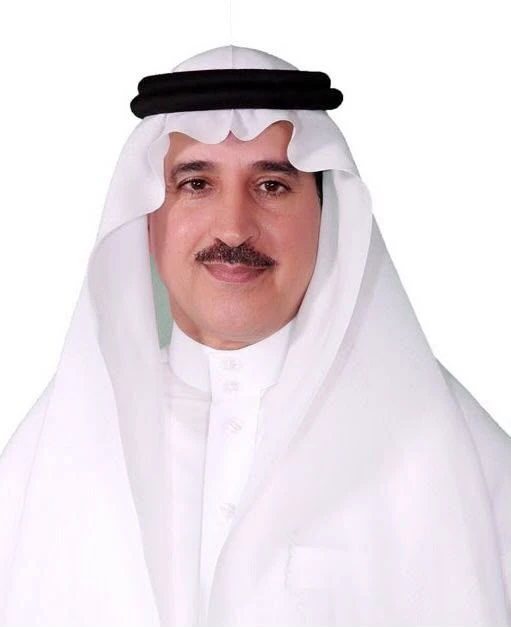
Dr. Abdullah Alakel, chairman of the board of the Scientific Research and Innovation Association, said the surgery reflected progress toward national goals to strengthen healthcare, innovation and quality of life.
He said combining robotic systems with microsurgical techniques could improve surgical precision, reduce complications and enhance patient outcomes. It also demonstrated the growing ability of Saudi specialists to adopt and localize advanced medical knowledge.
Alakel highlighted the role of research and innovation institutions in supporting scientific advances and technology transfer. He stressed that collaboration among hospitals, universities and research centers would be essential to sustaining such achievements.
For technology experts, the significance of the operation extends beyond a single medical milestone.
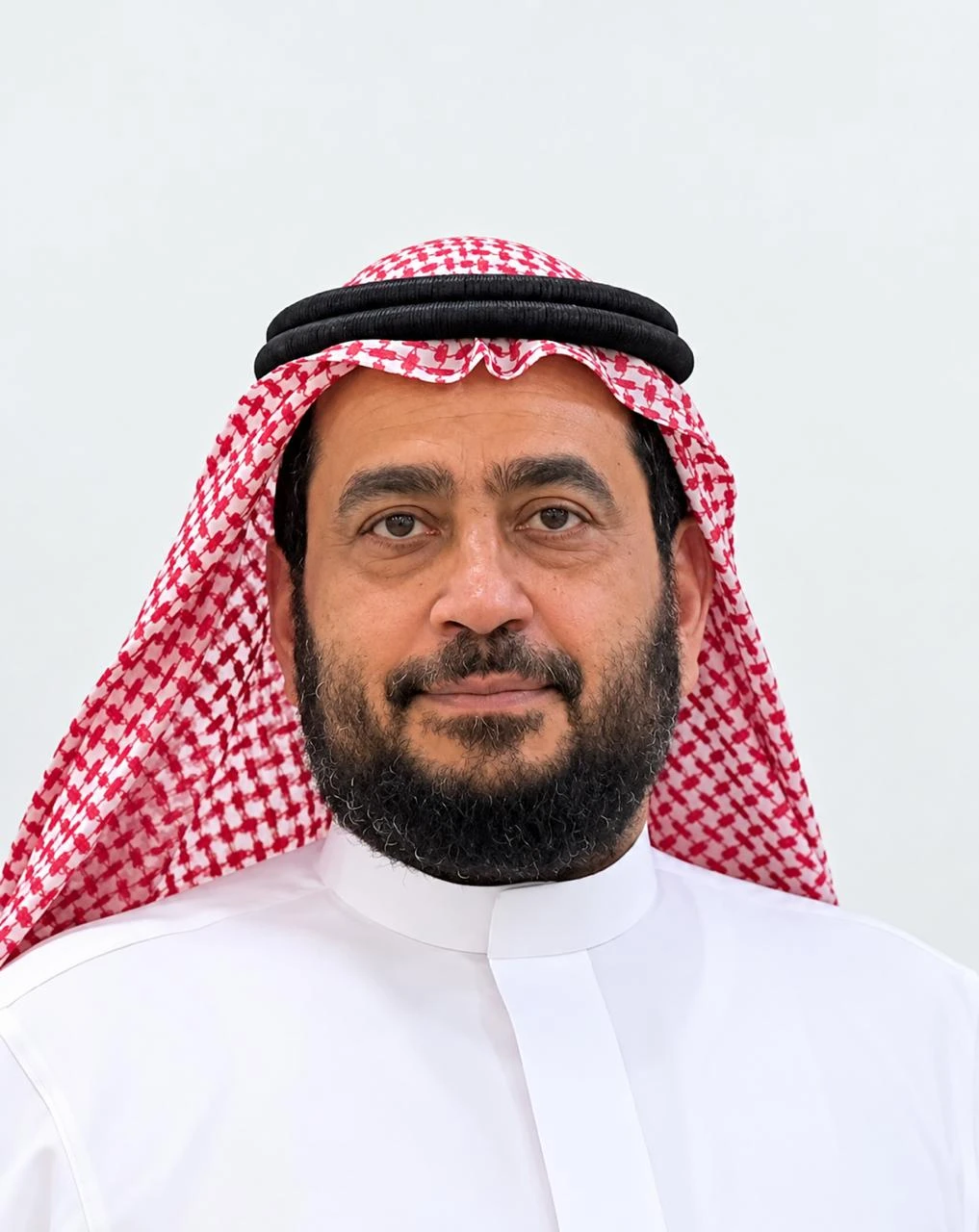
Abdalrhman Alquaary, artificial intelligence director at WSM for Information Technology Co., said advanced robotics were reshaping healthcare by enabling more precise procedures and improving patient care.
He said long-term success would depend not only on acquiring advanced equipment but also on developing national expertise in the underlying technologies.
“At its core, a surgical robot integrates a control system with a precision mechanical arm. Understanding and developing these technologies locally is the foundation for future medical device manufacturing,” Alquaary said.
He called for continued investment in specialized fields such as embedded systems, electronics and mechanical engineering, alongside stronger links between healthcare providers and research and development centers.
The procedure highlights the convergence of healthcare innovation, scientific research and workforce development as Saudi Arabia seeks to build a more advanced and self-reliant medical sector.