- An Arab News visit to the city’s streets found residents and expatriates enjoying their evenings, meeting friends and expressing confidence in the Kingdom’s security
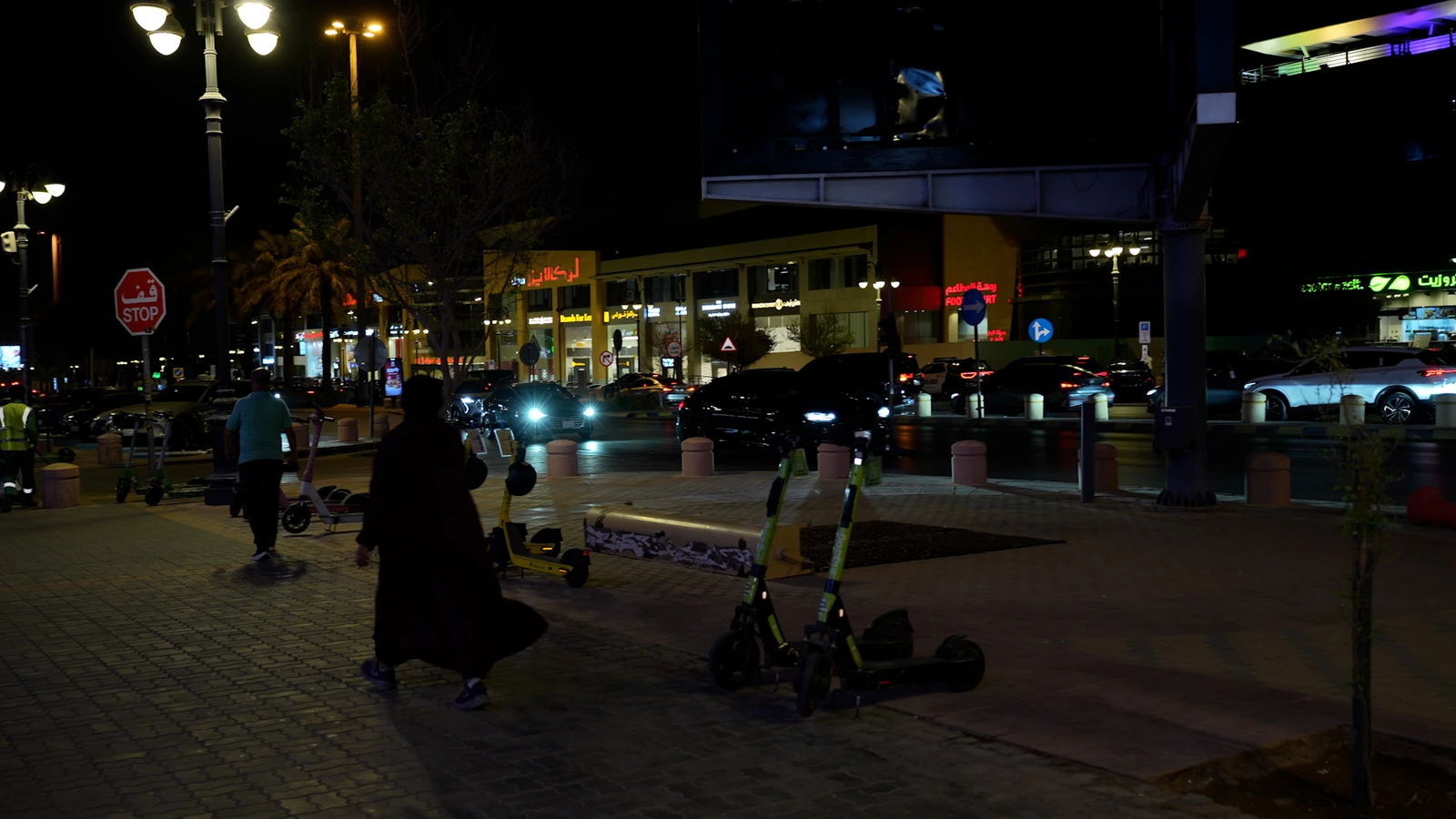
RIYADH: Restaurants remained busy, friends gathered over meals and card games, and cars continued moving through the streets of Riyadh as residents carried on with their daily routines despite regional tensions and security concerns.
While the current situation might suggest that life in the Saudi capital has slowed, an Arab News visit to the city’s streets found residents and expatriates enjoying their evenings, meeting friends and expressing confidence in the Kingdom’s security.
For many of those interviewed, the biggest change to their daily lives has been the shift to online education rather than restrictions on their social activities.
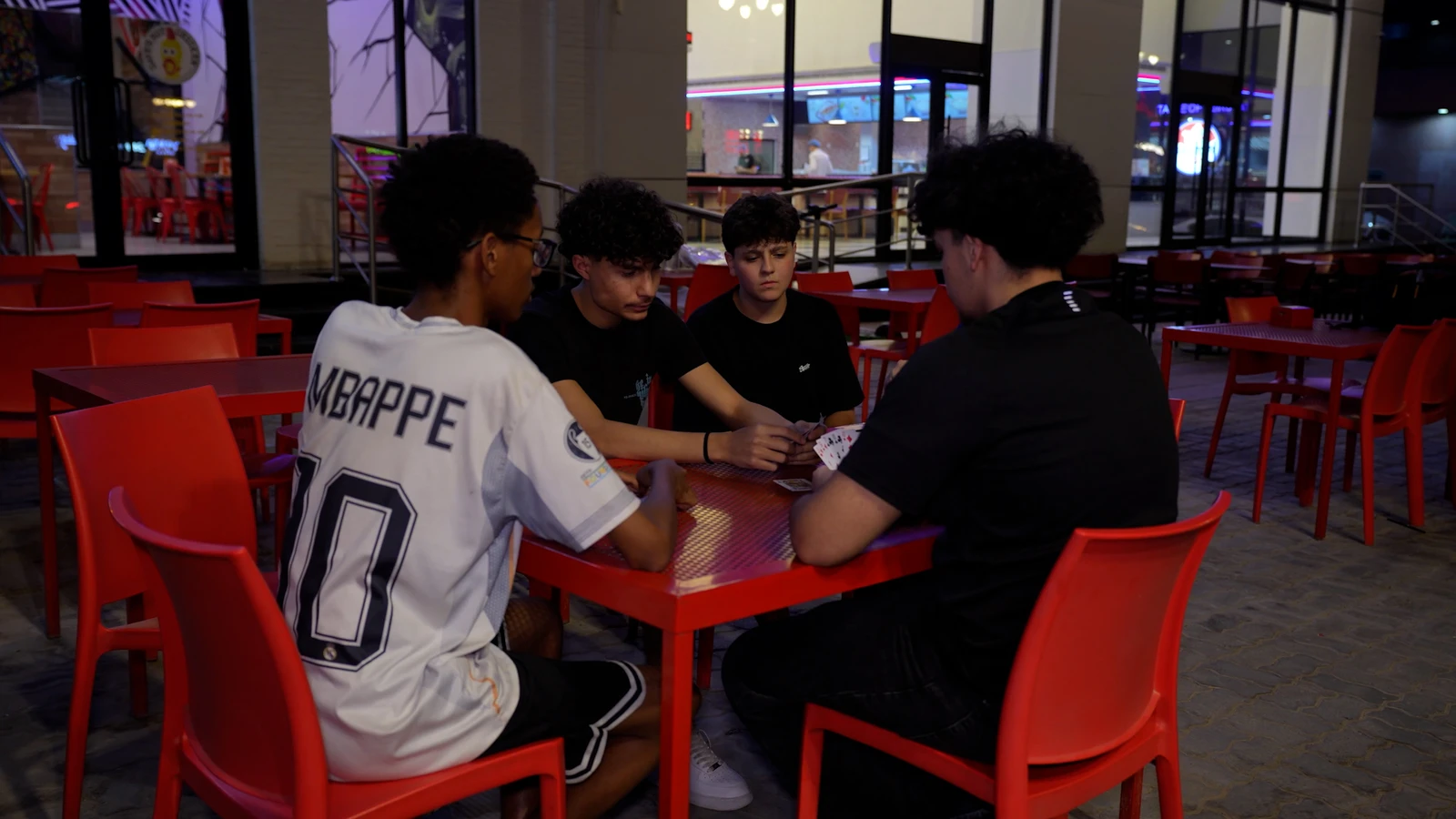
Rayan Alkhammash, a Jordanian teenager living in Riyadh, was spending the evening with friends, eating and playing cards.
He said that recent events had not discouraged him from going out and that he remained confident in the authorities responsible for maintaining security.
“No matter how much bombing takes place or whatever happens, we have full confidence in the competent authorities and the relevant agencies,” he told Arab News.
“We also feel protected under the leadership of Crown Prince Mohammed bin Salman. We will not be afraid of anything, thank God.”
Elsewhere, Krisha Mariano, from the Philippines, and Hamad, from Lebanon, were enjoying an evening out together after meeting friends for dinner.
The couple said they had continued their usual activities despite developments in the region.
“We met up with some friends to eat dinner,” Mariano said.
Hamad added that they had been walking along the street and enjoying their time together.
Asked whether the situation had affected her daily routine, Mariano said: “Despite what’s happening, I still go to work. Everything is normal.”
For Syrian resident Ahmed Alsmadi, an evening walk through Riyadh was another opportunity to explore the city and find somewhere to eat.
Asked whether he was afraid to be outside, Alsmadi responded: “Why should I even be scared?“
He described Saudi Arabia as “the land of harmony, the land of peace, and the land where your heart feels normal.”
Alsmadi said his daily activities had remained largely unchanged, including studying, spending time outdoors and playing football at his academy.
“Almost every day I wake up and I try to study. If I have time, I’ll go out and play football at my academy,” he said.
However, he acknowledged one significant adjustment to his routine; the move to online education.
Rather than viewing the change negatively, Alsmadi said he believed remote learning could offer students greater flexibility and a sense of security.
“Online education is a nice idea as it helps students actually focus more and feel safer,” he said.
A similar sentiment was shared by Abdulrahman Adil, a Sudanese student who was spending the evening with friends.
“I came with my friends to play cards and eat and have fun,” he told Arab News.
Adil said the transition to online classes was the only noticeable change in his daily routine.
He believed the adjustment had brought some benefits, particularly for students who struggled with long commutes or maintaining concentration in classrooms.
Although the shift to remote learning reflects the precautions being taken amid the current situation, the students interviewed said they continued to spend their free time socializing, exercising and enjoying the city’s public spaces.
Beyond the streets of Riyadh, expatriates have also taken to social media to express their support for Saudi Arabia amid the regional tensions.
Gian Guy, an expatriate, shared a post on X explaining that she had purchased a green T-shirt, choosing a color associated with the Saudi national flag as a gesture of solidarity with the Kingdom.
“I don’t have a Saudi flag but I’ve just bought this shirt in Saudi Arabia’s national color. I might wear it in a video to show my support for the Kingdom,” she wrote.
A Lebanese resident who has lived in Saudi Arabia for seven years took to X to also express his support for the Kingdom, saying he experienced “so much kindness and generosity.”
“This country saved my wife’s life. There was a time when the hospitals in Saudi Arabia opened their doors to my wife because she was in critical condition. How can you expect me not to stand up and defend it?”
He concluded: “How can you expect me not to stand up for this country? Answer me. How can you expect me not to defend it? A country that has given me so much goodness deserves goodness in return. How could I possibly remain silent?”