RIYADH: The growing number of apps, QR codes and digital touchpoints in hotels can make simple guest requests more complicated. A hospitality technology company in Riyadh with an international footprint is addressing that challenge with connected solutions showcased at the LEAP conference.
SparkleHaze, which was incubated at The Garage in Riyadh, is highlighting artificial intelligence, connected technologies and digital services designed for the hospitality, travel, tourism and smart-city sectors.
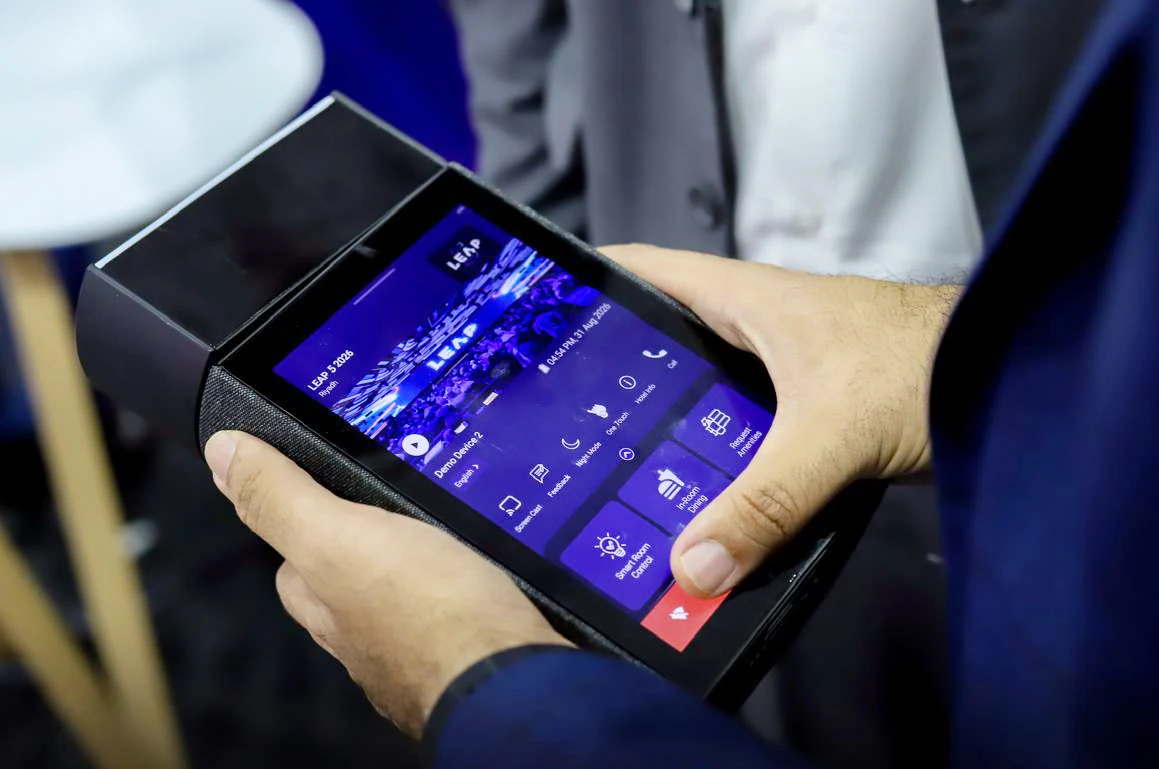
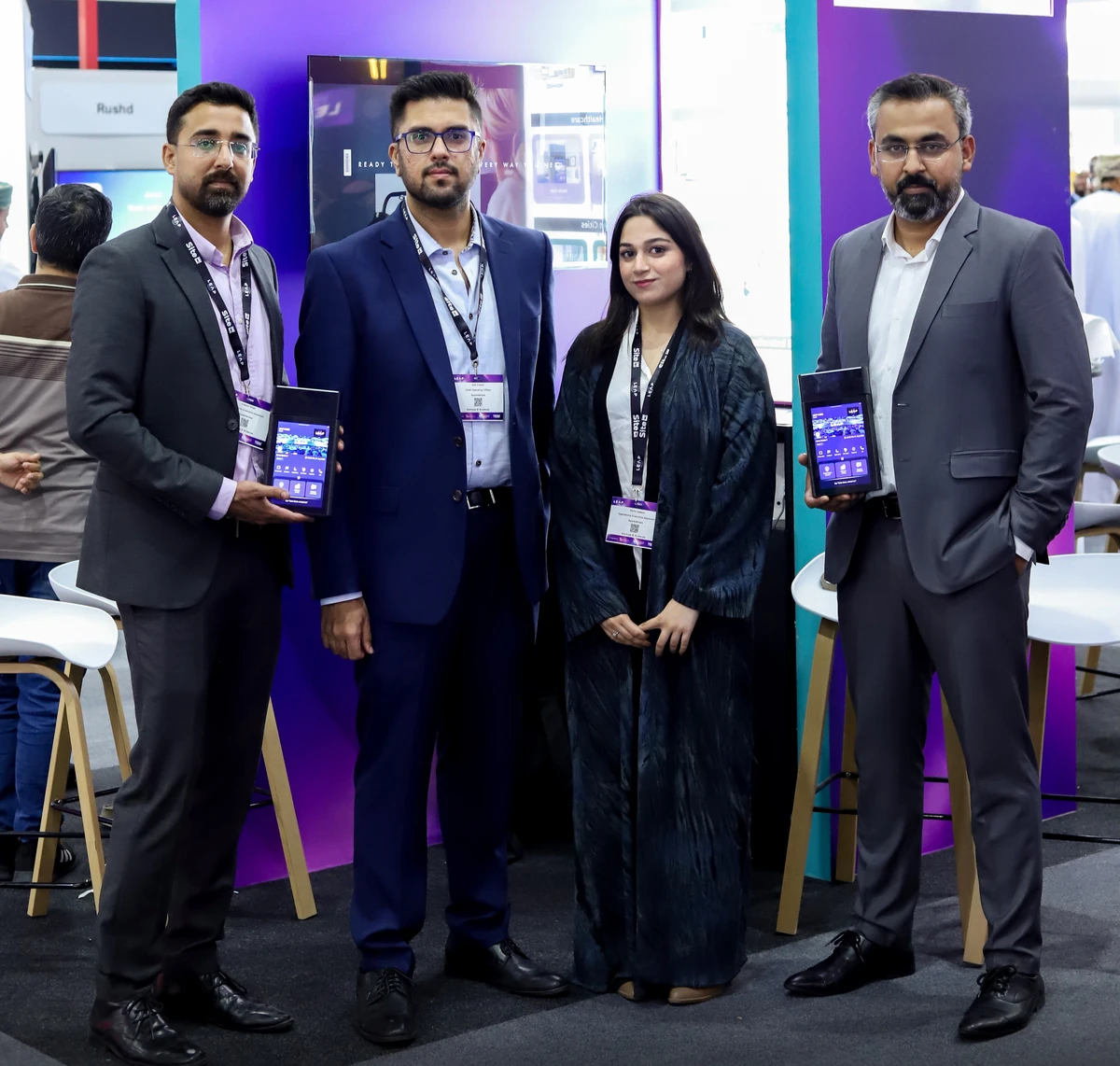
At the center of its offering is the WooHoo platform, which brings together guest communication, property services, enterprise voice and digital solutions. Its portfolio includes the WooHoo X-Series, WooHoo Tablet, WooHoo QR and connected audio solutions.
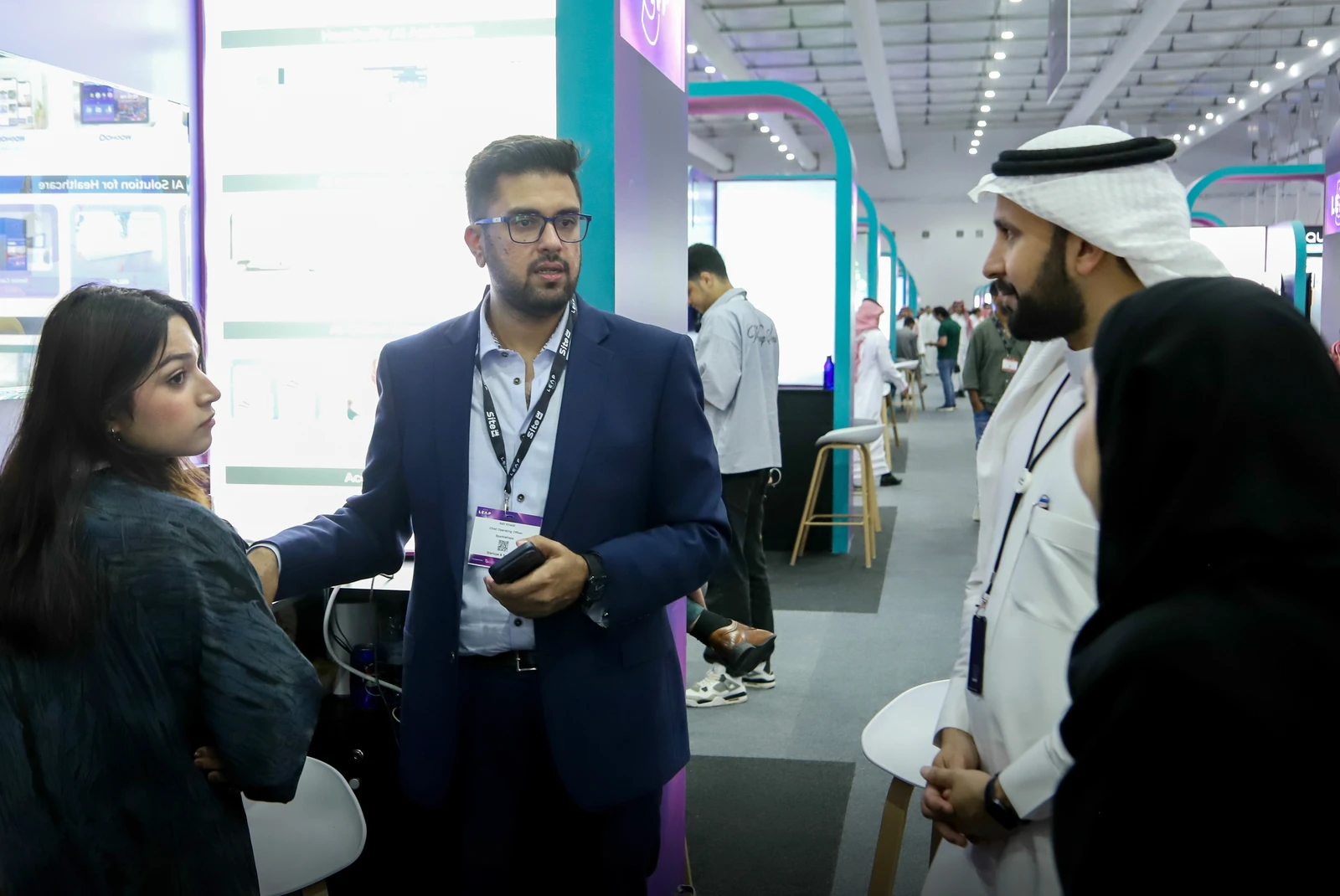
SparkleHaze Chief Operating Officer Adil Khalid said digital friction remains a major challenge for the hospitality sector. “Hotels increasingly use apps, QR codes, websites, digital directories and telephones, but having multiple touchpoints can make simple requests more complicated for guests.
“By connecting communication, information and property services through a more unified interface, hotels can simplify interactions and improve operational efficiency,” he said.
Khalid said WooHoo can integrate with existing hotel and enterprise infrastructure, enabling organizations to connect legacy systems rather than replace them.
“Hotels still require reliable enterprise voice communication, but a device in every room does not need to function only as a telephone,” he said. “WooHoo can combine enterprise communication, audio and access to digital property services in a connected device.”
The platform can also reduce the steps guests need to take to access services, including scanning QR codes, opening websites or searching for telephone extensions, Khalid added.
Beyond its WooHoo platform, SparkleHaze provides technology consulting, systems integration and digital transformation services.
Khalid said that AI could increasingly connect people with physical environments. In hospitality, it can help guests discover and request services, while in tourism, it can assist travelers with navigation and provide contextual information.
“AI should make these environments simpler and more human, not more complicated,” Khalid said. “Our vision is to create an intelligent layer between people and the services around them, allowing guests and residents to interact naturally while the technology works in the background.”
New hospitality tech aims to simplify hotel interactions