ALULA: The Royal Commission for AlUla has launched its 2026–2027 archaeology season in AlUla and Khaybar to deepen research into the region’s ancient past, the Saudi Press Agency reported on Monday.
Years of excavation, documentation and conservation have already produced significant finds at what the commission calls one of the most important archaeological landscapes in northwest Arabia.
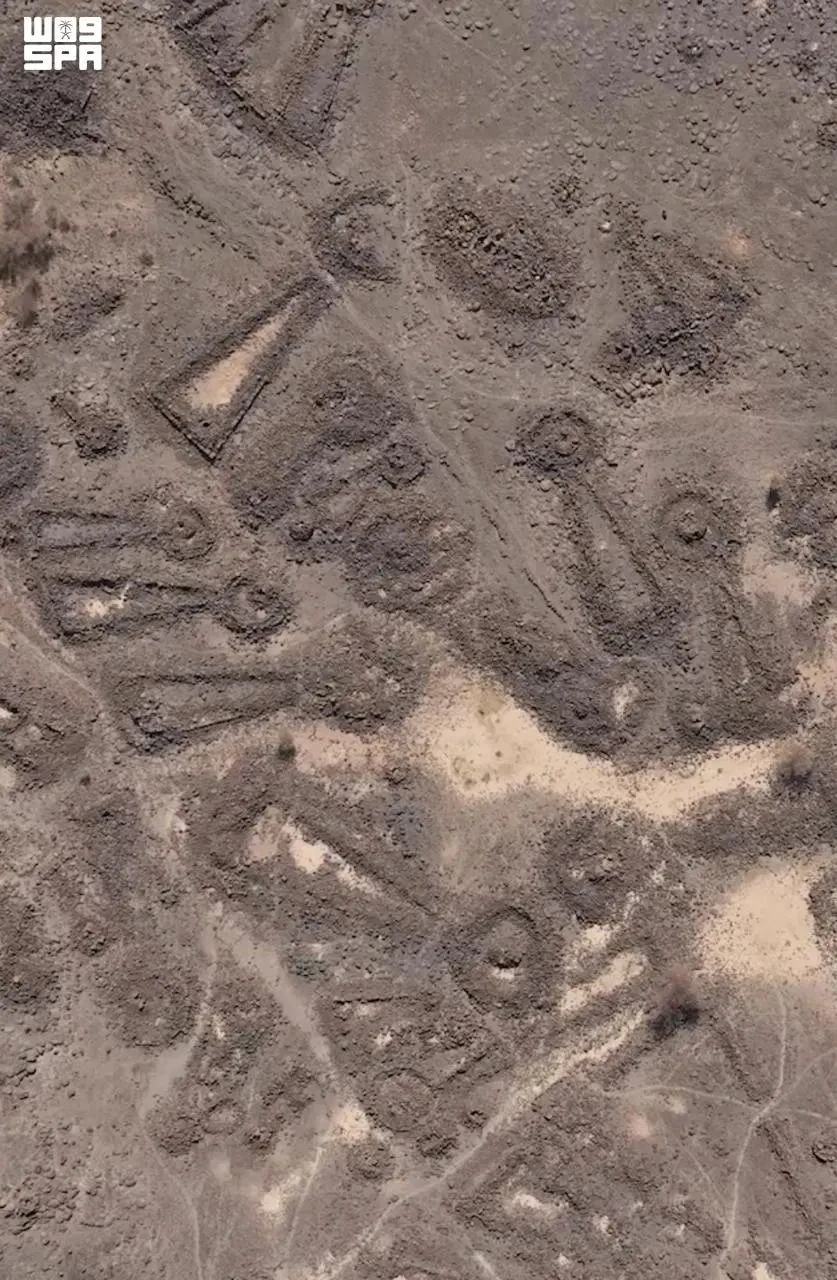
Among them are stone mustatils, rectangular structures dating back some 7,000 years and recognized as among the world’s earliest monumental ritual architecture. Teams have also found circular stone enclosures that point to semi-permanent settlement and shifts in land use. Khaybar, meanwhile, has yielded a Bronze Age town and a vast rampart wall encircling the oasis, evidence of complex political and urban development.
Six themes guide this year’s research: early human presence, ancient kingdoms and oasis communities, pilgrimage and trade routes, environmental history and water management, inscriptions, and daily life. By connecting findings across sites, periods and disciplines, researchers hope to show how people lived over successive eras.
Plant and animal remains will be a focus at Hegra, where teams are studying the ancient settlement center to trace life at the site across different historical phases.
Dadan moves into the second phase of its archaeological project. After five years of earlier work, the team will turn to burial and residential sites, tracing how one of AlUla’s key ancient centers evolved.
In Khaybar, the focus is the long relationship between people and the oasis, from the Neolithic through the Islamic era. Sediment records and ancient environments will be examined, along with the natural resources that shaped settlement and cultural change.
Further south in AlUla, forts, railway stations and other remains will help researchers trace the pilgrimage and trade corridors that crossed the area and the networks linking it to neighboring lands.
Written heritage remains central to the program, with more than 25,000 inscriptions recorded in AlUla so far. Together they form a key source on the area’s history, languages and cultural exchanges.
Training is also part of the season. University students will join excavation and analysis, supervised by Saudi and international experts from partner institutions. Teachers, students, rawis (local storytellers) and nature rangers will take part in community activities ranging from hands-on sessions to museum and lab visits and site tours.
According to the commission, the season supports the development of Saudi talent in the field, in line with Saudi Vision 2030 goals of protecting national heritage and sharing the Kingdom’s cultural legacy with the world.
New archaeology season opens in AlUla, Khaybar