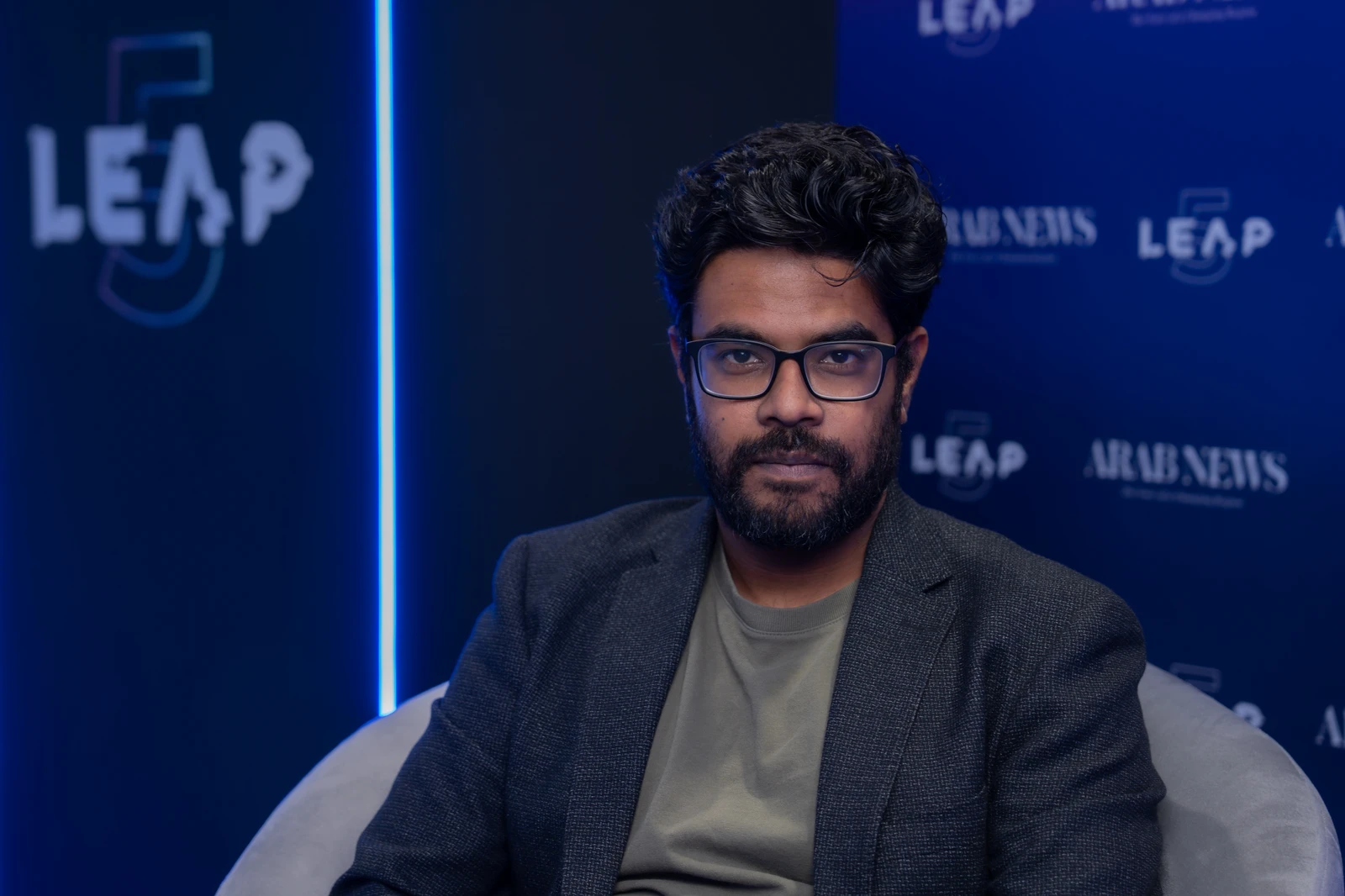
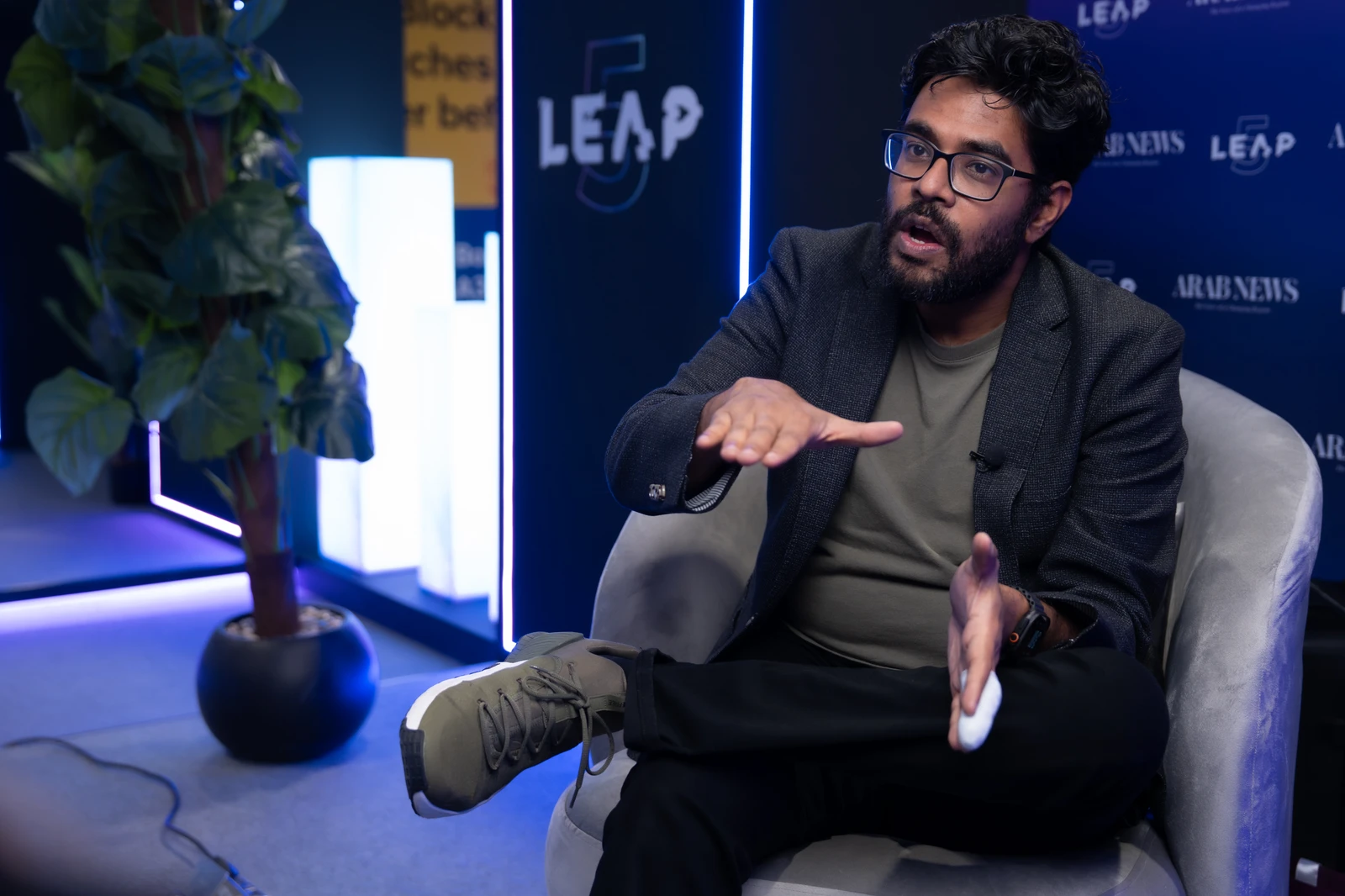
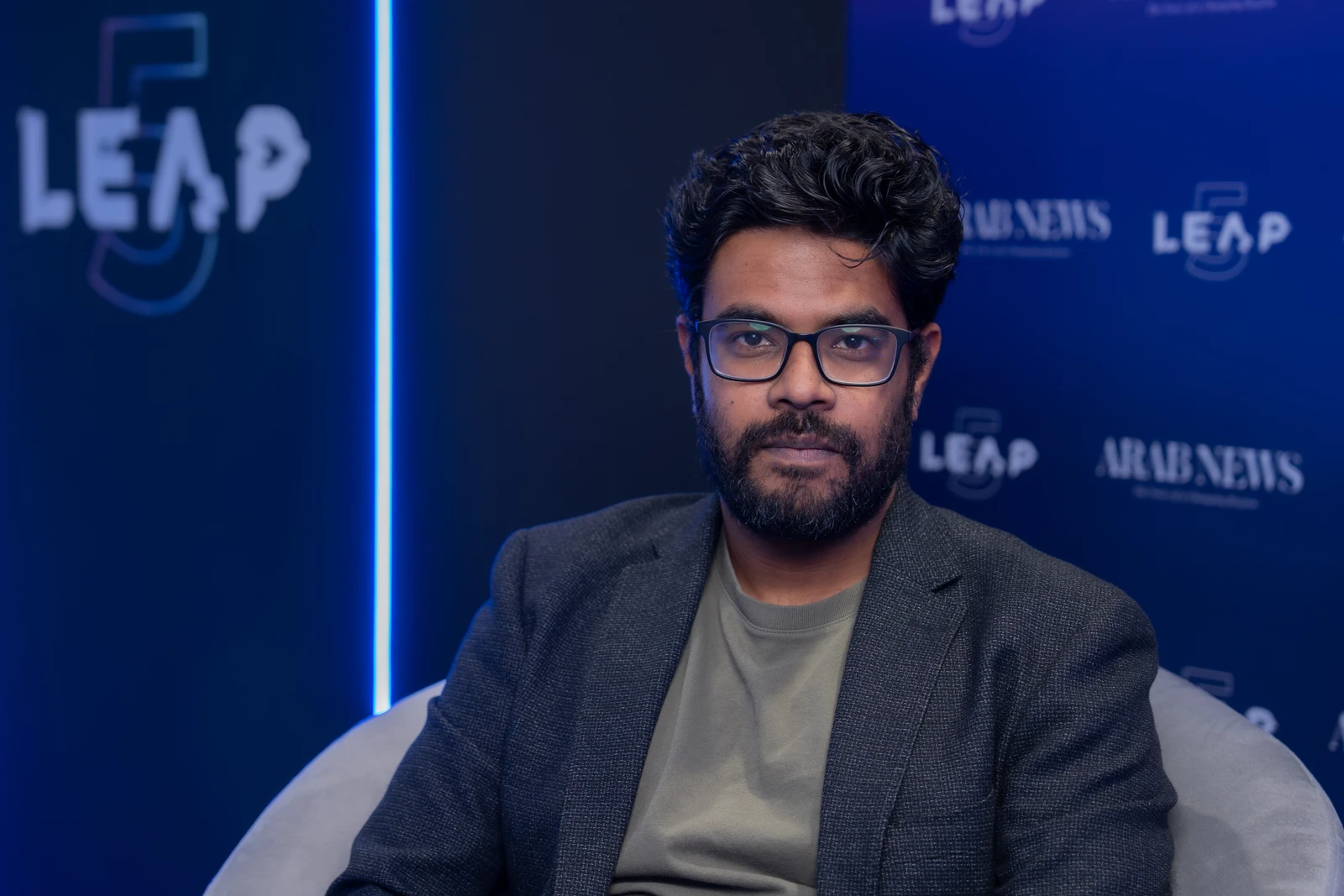
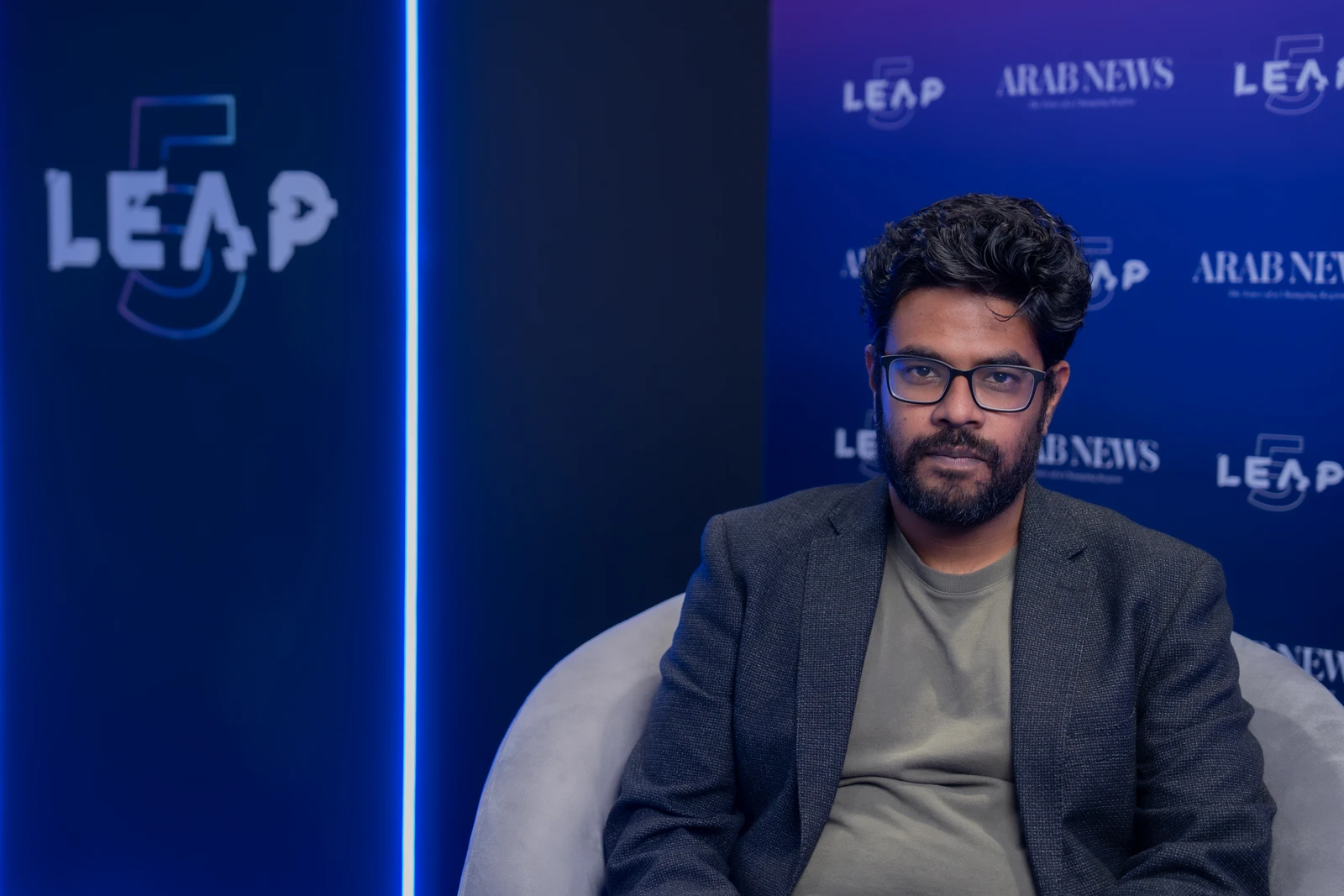
RIYADH: Saudi Arabia’s investment in computing infrastructure, artificial intelligence and digital transformation could make the Kingdom an important hub for the next generation of AI, Luma AI CEO Amit Jain told Arab News during LEAP 2026 in Riyadh recently.
Jain spoke as Luma AI expands its presence in Saudi Arabia through a dedicated Riyadh office and a partnership with Humain, the Saudi AI company building infrastructure and services for the rapidly growing sector.
The partnership offers Luma AI access to one of the most important resources required to power advanced AI models: energy and computing capacity, Jain said.
“Saudi Arabia has incredible potential when it comes to energy, and that is the primary input for compute,” Jain told Arab News.
He said Humain was building significant computing infrastructure in the Kingdom, creating what he described as a unique and timely partnership for Luma.
But the collaboration extends beyond infrastructure.
Humain is also developing a sovereign layer for AI products that could support governments and businesses across Saudi Arabia and the wider Middle East and North Africa region, Jain said.
Luma and Humain are working together across infrastructure and products, with the goal of determining how people, governments and businesses in the region will ultimately deploy AI.
“The partnership spans all the way from infrastructure to the products and how people actually end up using it,” Jain said.
The expansion comes as Luma pushes beyond AI-generated images and videos toward longer-form content and AI systems capable of handling increasingly complex creative tasks.
Jain said the company began by generating three-dimensional content before expanding into images and video, with AI-generated footage becoming increasingly difficult to distinguish from material filmed with a camera.
The next challenge, he said, is long-horizon work.
The ability “to make an entire movie” is a part of the company’s next goal, he said, adding that AI agents could increasingly work alongside creative teams to handle tasks that previously required much larger productions.
But Jain believes the next major frontier for AI could extend beyond screens and into the physical world.
Luma is developing what he described as multimodal models capable of understanding different forms of information. Eventually, such systems could enable robots to reason through tasks, develop plans, and imagine potential outcomes before taking action.
“You ask a robot to do something, it reasons about it, breaks it down into a plan, then runs through that plan in its head by being able to generate the video as a scenario,” Jain said.
“If that plan is correct, then it can actually drive the robot into action.”
He added that this could represent a major step toward bringing AI into the physical world.
For Luma, however, expanding globally also means teaching AI to understand local languages and cultures.
Jain said AI systems cannot simply treat culture as an afterthought, particularly as they become tools for generating and interpreting content.
“Content is informed by the culture and the language of the people that are in there,” he said.
“It’s really important that AI systems have the context of that world and understand the cultural nuances of the region that we are building it in.”
Luma is now working on Arabic versions of its AI models in collaboration with Humain, including an Arabic version of its image model and plans for its video technology.
The company has also spent months studying regional visual identities and cultural differences between countries including Saudi Arabia, the UAE and Qatar.
“We have been working diligently on gathering the data, understanding the differences between Saudi Arabia and UAE and Qatar,” Jain said.
Luma has built a Middle East-based team that includes employees in Saudi Arabia and the UAE to help the company understand these cultural nuances and train its models accordingly.
Its products are also being translated into Arabic and developed with right-to-left functionality to make them more accessible to native Arabic speakers.
Jain said the progress of AI in filmmaking has already moved faster than he expected.
He previously predicted that 2026 would bring a major film or television production created largely using AI. But he said the industry has already moved beyond his expectations.
Jain pointed to “House of David,” a television production available on Prime Video that he said Luma had participated in. According to Jain, the six-episode series, featuring Oscar-winning actor Ben Kingsley, was produced using AI technology for a significant portion of its production.
He said the technology had the potential to dramatically reduce the cost and logistical barriers associated with large-scale filmmaking.
“What it means is someone in Riyadh with a decent budget can actually make a Hollywood-level production,” Jain said.
“They don’t need to go to LA. They don’t need to go to Greece.”
For Saudi Arabia, which is investing heavily in film, entertainment and creative industries, AI could therefore provide more than another emerging technology.
Jain said it could give creators around the world the tools to tell ambitious stories without relying entirely on traditional production centers.
“That means every country can now think about telling their own story,” he said.
As Saudi Arabia builds its AI infrastructure and creative economy simultaneously, the combination could create new opportunities for regional filmmakers, advertisers and media companies to produce content at a scale that was previously limited to the world’s largest studios.
And while concerns continue over whether AI will replace creative jobs, Jain’s vision of the technology is centered on expanding what smaller teams can achieve, while giving creators greater access to the tools needed to turn their ideas into large-scale productions.
“We are much further ahead than I thought,” he said.
Luma AI CEO says Humain pact vital for next era of AI-powered storytelling