- Jewelry event at Mandarin Oriental Al Faisaliah
- It offers glimpse into how rapidly consumer preferences are evolving
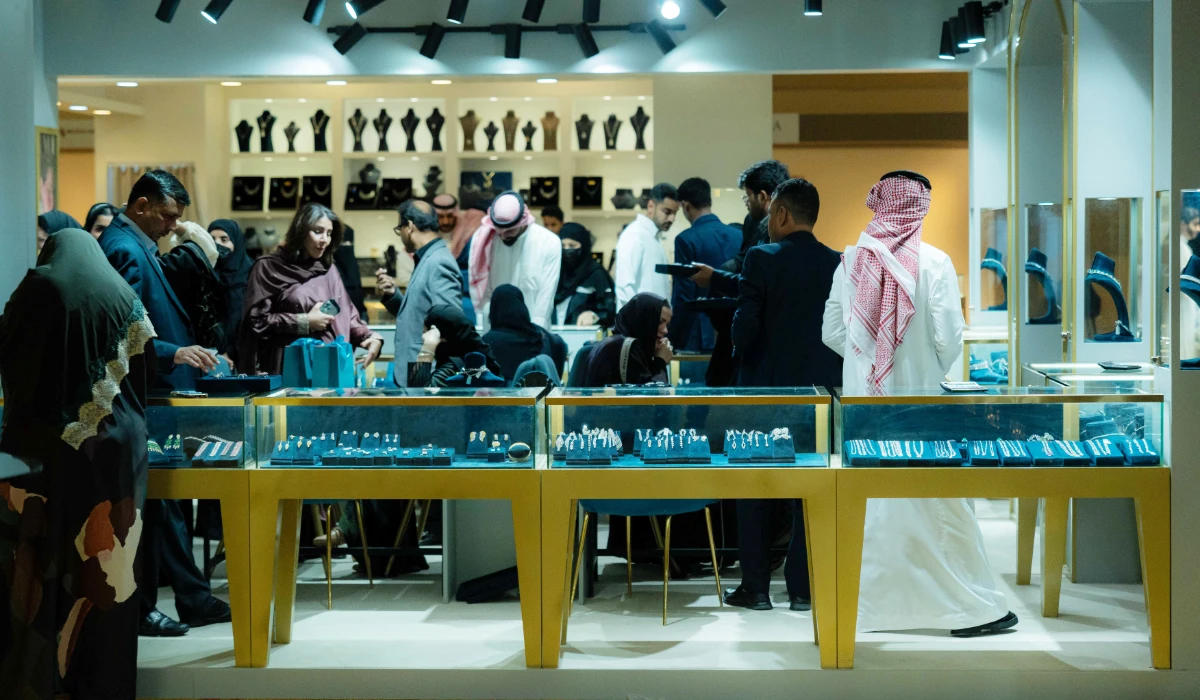
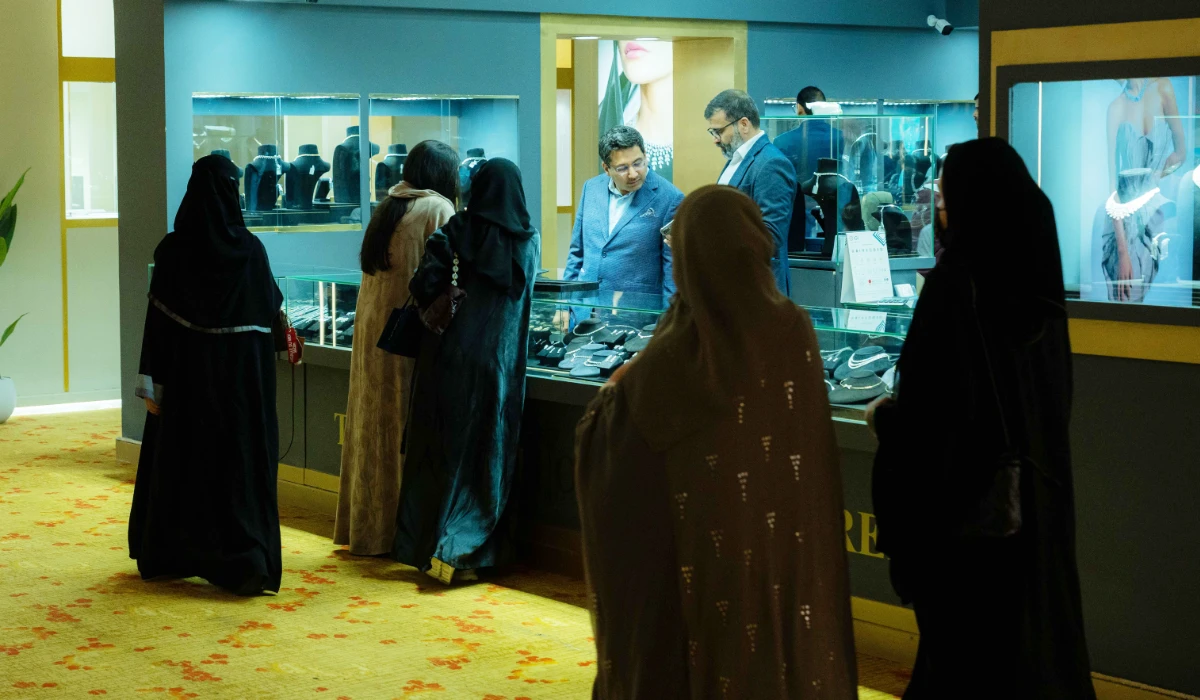
RIYADH: Beneath crystal chandeliers and gleaming display cases filled with diamonds, pearls, and gemstones, visitors are moving between jewelry brands in Riyadh this week searching for something more than precious metals.
Industry leaders say Saudi consumers are looking beyond precious metals and gemstones, placing greater value on craftsmanship, originality, and personal meaning.
That is all on display at Jewels of the World Fine Jewelry, which has opened at the Mandarin Oriental Al Faisaliah. The exhibition marks the first time the Jewels of the World series has expanded to two venues in the capital, running alongside Jewels of the World Luxe at the Four Seasons Hotel Riyadh.
Together, the events bring dozens of regional and international brands to the Kingdom, reflecting both the strength of the Saudi luxury market and growing international interest in it.
For Dana Al-Alami, a member of the National Committee for Precious Metals and Gemstones, the exhibitions are about far more than showcasing collections.
She told Arab News: “They are strategic opportunities to open new markets, build commercial partnerships and exchange expertise between manufacturers, designers and investors.”
The events also offer a glimpse into how rapidly consumer preferences are evolving.
“Through my experience in the gold and diamond industry, I see that the Saudi consumer has become more aware and precise in their choices,” she said. “They are no longer only looking at the value of the gold or the size of the diamond, but at the quality of manufacturing, the precision of details, and the uniqueness of design.”
That transformation is helping shape the direction of the market.
Through my experience in the gold and diamond industry, I see that the Saudi consumer has become more aware and precise in their choices.
Dana Al-Alami, National Committee for Precious Metals and Gemstones member
Rather than competing solely on the value of raw materials, brands are emphasizing design, craftsmanship, and storytelling. Consumers are paying closer attention to artistic details, the origin of gemstones, diamond certification, manufacturing quality, and after-sales services.
Al-Alami believes the trend reflects the maturity of a market long associated with a deep cultural appreciation for jewelry.
She said Saudi Arabia stands out for its strong demand, sophisticated purchasing habits and traditions that connect gold and jewelry with family celebrations, identity and heritage.
“Jewelry is not just a precious piece; it is often linked to an occasion, a memory, or a special feeling,” she explained. “That is why the customer looks for a piece that reflects their personality and gives them a sense of uniqueness.”
The evolving tastes of Saudi buyers are also attracting international attention.
According to Al-Alami, the growing number of global exhibitions in Riyadh reflects the market’s strength and aligns with the ambitions of Vision 2030, which seeks to position the Kingdom as a regional hub for industry, trade, and investment.
She also noted that Saudi Arabia benefits from a growing manufacturing base, accumulated expertise, and evolving regulations, creating an opportunity for the Kingdom to become a regional center for jewelry production rather than merely a consumer market.
For now, those ambitions are visible in the exhibition halls of Riyadh, where established jewelry houses and emerging designers are competing for the attention of a new generation of discerning Saudi buyers.
The final stop in the 2026 Jewels of the World series will take place at the Jeddah Hilton from Oct. 19 to 22.