- Award recognizes approach to developing tourism while protecting, restoring location’s natural ecosystems
- Recognition announced on World Tourism Day as sector focuses on responsible growth, protection of natural, cultural assets
ALULA: AlUla has won gold in the Nature Positive Responsible Tourism Award category at the 2026 ICRT Awards, which recognized its approach to developing tourism while protecting and restoring natural ecosystems.
This recognition was announced on World Tourism Day, Sept. 27, as the global tourism sector focused on responsible growth and the protection of natural and cultural assets.
More than half of AlUla’s 22,561 sq. km has been designated as protected nature reserves. Conservation efforts have also included planting more than 500,000 native trees and releasing more than 1,500 animals into the wild.
The International Centre for Responsible Tourism Awards recognize organizations using tourism to generate positive environmental, social and economic impact.
Judges praised AlUla’s nature-first strategy, highlighting its collaboration with international scientists and conservation organizations and its efforts to place nature and wildlife at the center of destination planning.
AlUla’s regenerative approach aims to ensure that tourism development contributes to the restoration of natural ecosystems while preserving the area’s cultural heritage.
The approach is guided by the AlUla Sustainability Charter, which places environmental stewardship at the center of the location’s development.
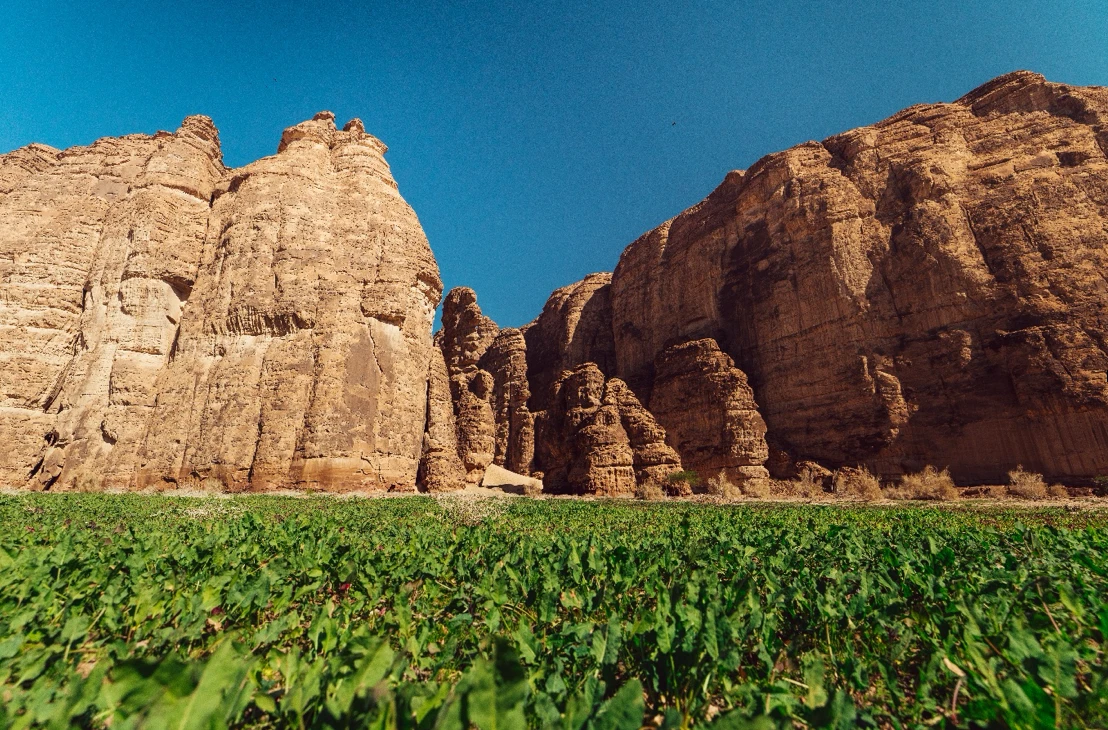
AlUla is home to more than 500 recorded plant species, with restoration programs focused on strengthening native flora, restoring habitats and improving the resilience of its desert and oasis ecosystems.
In Sharaan National Park, to the north of AlUla, restoration efforts have covered 74,000 hectares, supporting the recovery of natural habitats and biodiversity across the landscape.
Environmental conservation is being carried out alongside efforts to protect AlUla’s cultural heritage. The destination is known for its desert landscapes, ancient oases and archaeological sites, including Hegra, Saudi Arabia’s first UNESCO World Heritage Site and home to well-preserved Nabataean tombs.